
Kenya Currency Guide Kenya’s official currency is the Kenyan Shilling (KES). While major hotels, safari lodges, restaurants, and shopping centres accept international credit and debit cards, you’ll still need some cash for local markets, tips, small businesses, and rural areas. Kenya is also famous for M-Pesa, one of the world’s most successful mobile payment systems, which many visitors can access using a Safaricom SIM and passport registration.
The smartest approach is to carry a combination of payment methods. Bring an international bank card, keep a modest amount of Kenyan Shillings for daily expenses, and understand where different payment options work best.
Direct Answer Kenya Currency Guide
The official currency of Kenya is the Kenyan Shilling (KES), commonly written as KSh. Most tourist hotels, safari operators, supermarkets, and restaurants accept Visa and Mastercard, while smaller businesses often prefer cash or M-Pesa mobile payments. Carrying some Kenyan Shillings alongside your bank cards gives you the greatest flexibility throughout your trip.
If you’re planning a safari with SK Adventures, understanding how payments work before you arrive helps you avoid unnecessary fees, travel confidently, and enjoy your holiday without worrying about money.
Introduction
Money is one of the practical details that travelers often leave until the last minute. Questions about exchange rates, cash, bank cards, tipping, and local payment methods are common, especially for first-time visitors to Kenya.
Fortunately, managing your money in Kenya is straightforward once you understand the basics. Modern payment options are widely available in tourist areas, while cash remains useful for smaller purchases and local experiences.
This guide explains everything you need to know about Kenya’s currency, payment methods, exchanging money, and budgeting for your safari. Our goal is to help you make informed decisions before you travel so you can spend more time enjoying Kenya’s spectacular wildlife and less time worrying about finances.
If you’re still planning your holiday, our Kenya Safari Packages for UAE Travelers Hub page compares itineraries and answers many of the practical questions travelers ask before booking.
What Currency Is Used in Kenya?
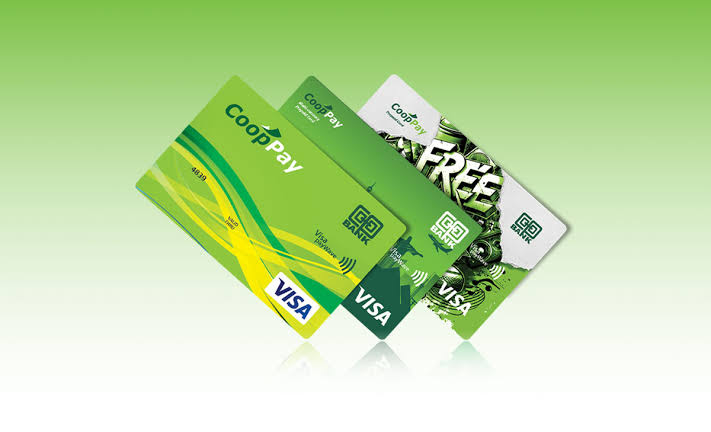
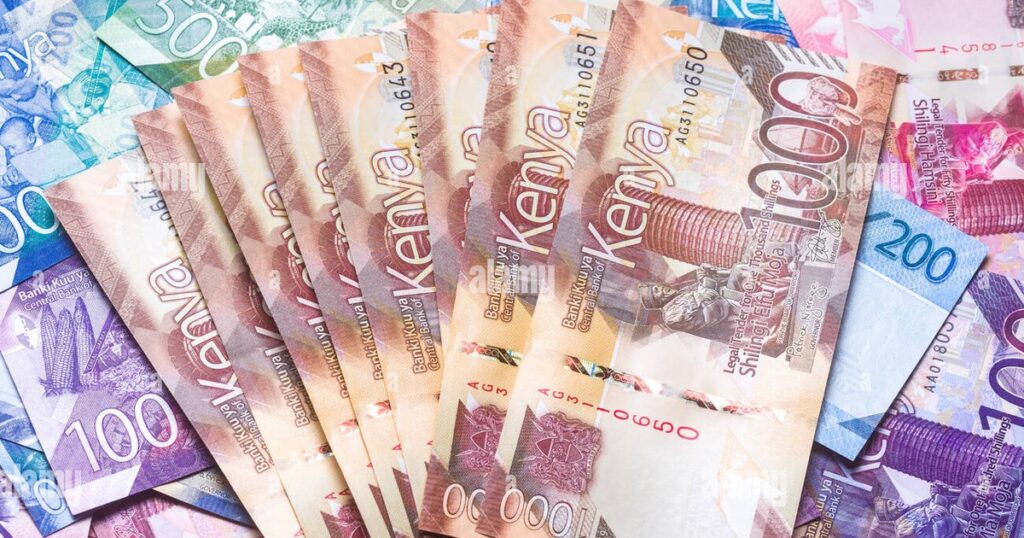
Kenya’s official currency is the Kenyan Shilling, abbreviated as KES and commonly written as KSh.
Banknotes are available in denominations of:
- KSh 50
- KSh 100
- KSh 200
- KSh 500
- KSh 1,000
Coins are available in several smaller denominations for everyday purchases.
Although you may occasionally see safari prices quoted in US Dollars, nearly all everyday purchases within Kenya are paid in Kenyan Shillings.
Should You Bring Kenyan Shillings, US Dollars, or UAE Dirhams?
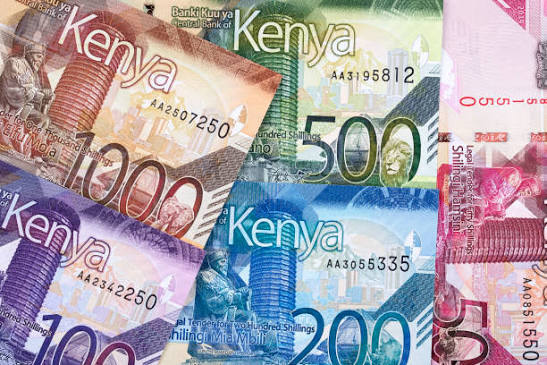
For most travelers arriving from Dubai or elsewhere in the UAE, the most practical approach is to carry an international payment card together with a small amount of cash that can be exchanged into Kenyan Shillings after arrival.
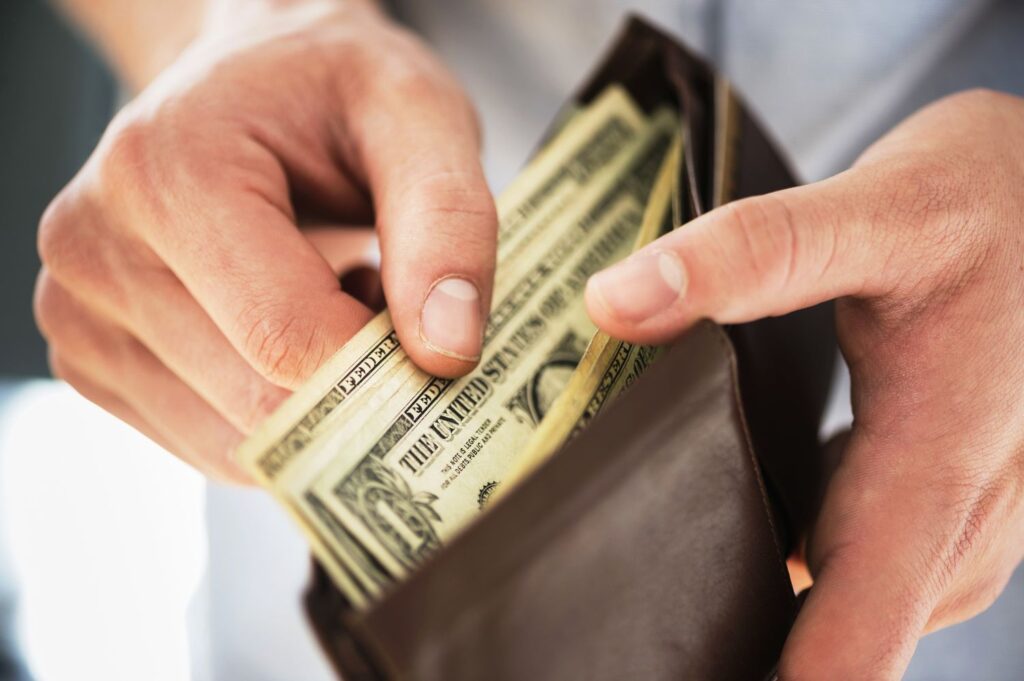
US Dollars are widely recognized in Kenya’s tourism industry and are commonly used for pricing some safari services, park fees, and high-value travel purchases. Clean, newer US Dollar notes are generally preferred where USD is accepted.
UAE Dirhams are less commonly accepted for direct transactions in Kenya, so most visitors either withdraw Kenyan Shillings from ATMs or exchange major international currencies upon arrival.
Rather than carrying large amounts of cash, many travelers prefer to combine cards, limited cash, and mobile payment options where available.
Where Should You Exchange Money?
Kenyan Shillings can be obtained through several reliable methods.
Popular options include:
- Airport foreign exchange counters.
- Licensed forex bureaus.
- Banks.
- ATMs that accept international cards.
Airport exchange counters are convenient when you first arrive, but exchange rates elsewhere may sometimes be more competitive. Many experienced travelers exchange only enough money at the airport for immediate expenses before using banks or licensed forex bureaus later in their trip.
Avoid exchanging money through unofficial individuals, regardless of the rate being offered.
Should You Use Cash or Cards?
The answer depends on where you are traveling.
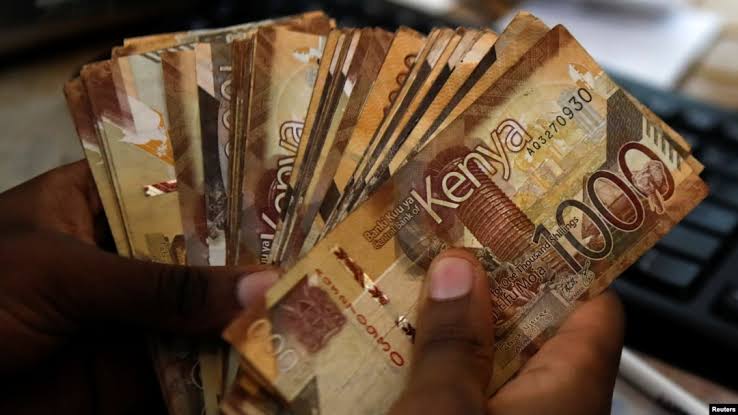
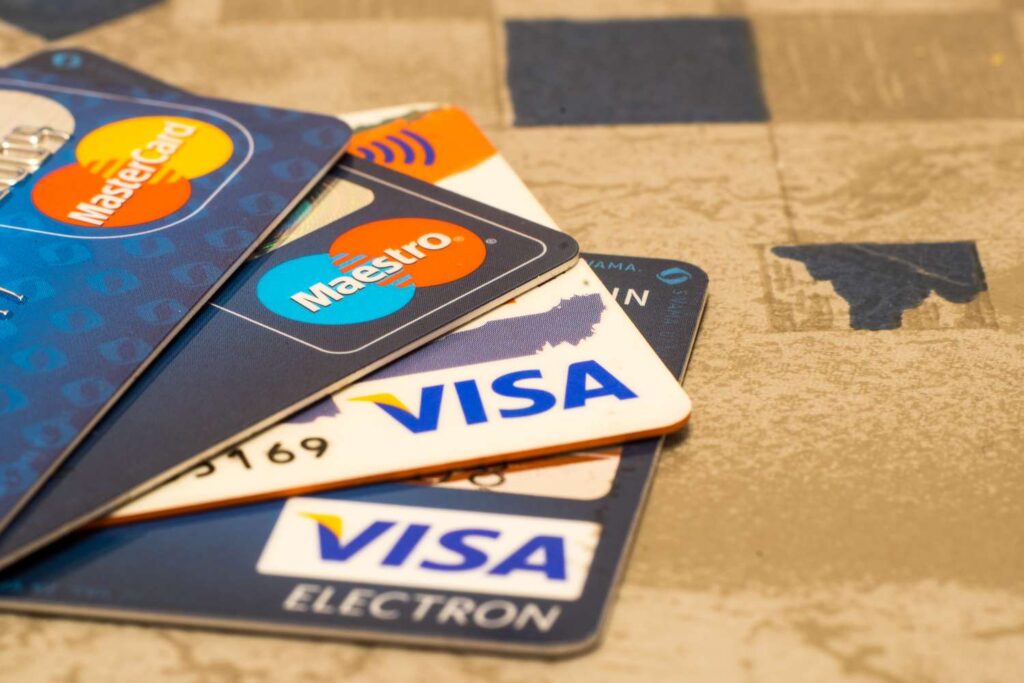
Hotels, safari lodges, major restaurants, supermarkets, and shopping malls usually accept international Visa and Mastercard cards. Smaller businesses, roadside shops, markets, and rural communities often prefer cash or M-Pesa.
Using both cards and cash provides the greatest flexibility. Many travelers find that carrying enough cash for smaller purchases while using cards for larger expenses works extremely well.
Always notify your bank before international travel so your overseas transactions are not mistakenly flagged as suspicious.
Understanding M-Pesa
One of Kenya’s greatest financial innovations is M-Pesa, a mobile money system used by millions of people every day.
Visitors staying in Kenya for several days can register for M-Pesa using a Safaricom SIM card and a valid passport, allowing them to make mobile payments at shops, restaurants, transport providers, and many other businesses.
For longer stays, M-Pesa can be extremely convenient because it reduces the need to carry cash. Short-term visitors, however, can comfortably rely on cards and Kenyan Shillings for most tourist-related expenses.
How Much Cash Should You Carry?
There is no single correct amount because spending varies from traveler to traveler.
As a general guideline, carry enough Kenyan Shillings for:
- Tips.
- Small souvenirs.
- Local cafés.
- Market purchases.
- Small transport expenses.
- Unexpected purchases.
Avoid carrying excessive amounts of cash throughout your journey. Instead, keep most of your money securely stored and withdraw additional funds when needed from reputable ATMs.

Using ATMs in Kenya
ATMs are widely available in Nairobi, Mombasa, Kisumu, Nakuru, and other major towns. Most machines accept international Visa, Mastercard, and other globally recognized bank cards, making it easy to withdraw Kenyan Shillings during your trip.
Whenever possible, use ATMs located inside banks, shopping malls, airports, or major supermarkets. These locations are generally more secure and are less likely to experience technical issues than standalone machines.
Before you travel, inform your bank that you will be using your card in Kenya. This simple step helps prevent your card from being blocked because of unusual overseas transactions.
Although ATMs are common in cities, they may be limited in remote safari destinations. It is therefore advisable to withdraw enough cash before leaving Nairobi if your itinerary includes several days in national parks.
Tipping in Kenya
Tipping is not compulsory in Kenya, but it is widely appreciated for good service.
On safari, tips are commonly given to:
- Safari guides.
- Driver-guides.
- Camp and lodge staff.
- Porters.
- Housekeeping staff.
The amount you choose to tip depends on the quality of service and your personal budget. Many safari lodges provide guidance on recommended tipping ranges, making it easy for visitors to tip appropriately without uncertainty.
Carrying small denominations of Kenyan Shillings is helpful because it allows you to tip conveniently throughout your trip.
Budgeting for Your Kenya Safari
Planning a realistic budget before traveling helps you enjoy your holiday without unnecessary financial stress.
In addition to your safari package, consider budgeting for:
- Meals not included in your itinerary.
- Drinks.
- Souvenirs.
- Tips.
- Optional excursions.
- Personal shopping.
- Airport purchases.
- Emergency expenses.
Many safari packages already include accommodation, transportation, park entry fees, and most meals. Understanding what is included allows you to estimate your additional daily spending more accurately.
If you are unsure about likely expenses, SK Adventures can explain exactly what is included in your chosen itinerary before you travel.
Money Safety Tips
Managing your money safely is just as important as knowing which payment methods to use.
Some practical recommendations include:
- Avoid carrying large amounts of cash.
- Keep emergency cash separate from your main wallet.
- Use hotel safes where available.
- Monitor your card transactions regularly.
- Use contactless payment where appropriate.
- Protect your PIN when withdrawing cash.
- Carry more than one payment method.
Most visits to Kenya are trouble-free, and following these basic precautions further reduces the risk of financial inconvenience.
Travel insurance that includes protection against lost or stolen cards can also provide additional peace of mind.
Common Currency Mistakes Travelers Should Avoid
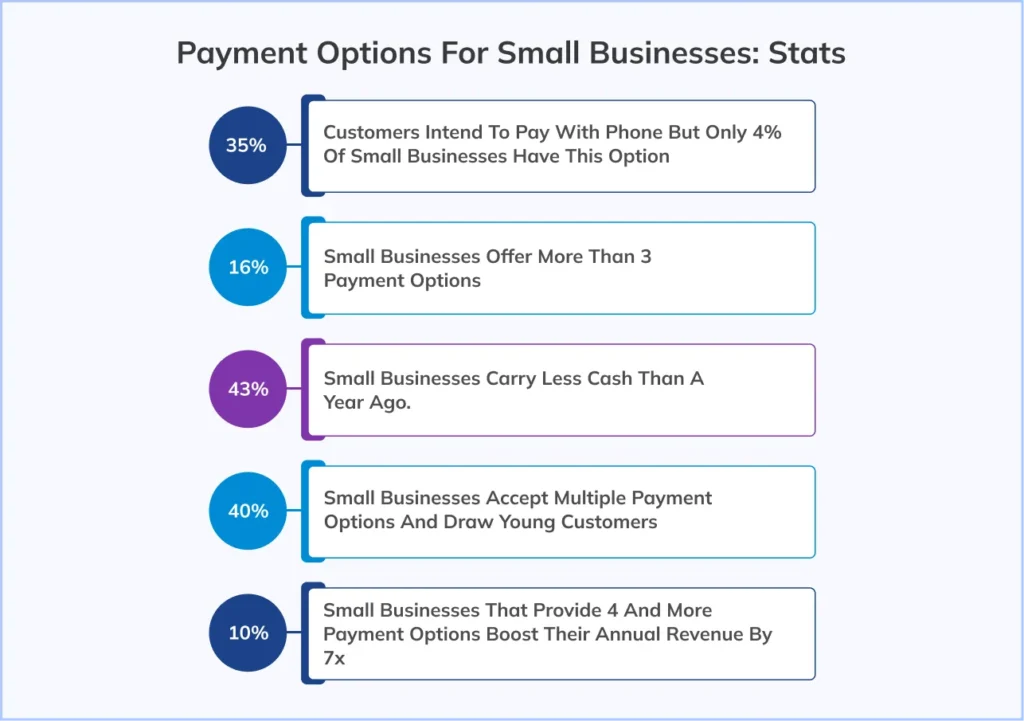
Many first-time visitors make small financial mistakes that are easy to prevent with a little preparation.
Common examples include:
- Arriving with only one bank card.
- Carrying excessive amounts of cash.
- Exchanging money through unofficial dealers.
- Forgetting to notify their bank before traveling.
- Assuming cards are accepted everywhere.
- Not carrying small notes for tipping or local purchases.
Avoiding these mistakes makes your trip much smoother and reduces unnecessary stress during your safari.
Is Kenya Expensive for UAE Travelers?
Kenya offers excellent value compared with many long-haul destinations.
While luxury safaris can be a significant investment, travelers can also find mid-range and budget-friendly options that deliver exceptional wildlife experiences. Daily expenses such as local transport, meals outside luxury hotels, and many attractions remain relatively affordable.
Your overall holiday cost depends largely on:
- Safari duration.
- Accommodation level.
- Domestic flights.
- Time of year.
- Optional activities.
Rather than focusing only on price, consider the overall value of your experience. A well-planned safari often provides memories that last a lifetime.
Frequently Asked Questions
What currency is used in Kenya?
The official currency is the Kenyan Shilling (KES), commonly written as KSh. While some tourism-related services may quote prices in US Dollars, most day-to-day transactions within Kenya are completed in Kenyan Shillings.
Should I exchange money before arriving in Kenya?
You do not necessarily need to. Many travelers exchange a small amount of money upon arrival at Nairobi airport and withdraw additional Kenyan Shillings from ATMs during their trip. This approach provides flexibility while avoiding carrying large amounts of cash.
Can I use my credit or debit card in Kenya?
Yes. International Visa and Mastercard cards are widely accepted at hotels, safari lodges, shopping malls, supermarkets, and many restaurants. However, smaller businesses, local markets, and rural areas may prefer cash or mobile payments.
Is M-Pesa available for tourists?
Yes. Visitors staying in Kenya for more than a few days can often register for M-Pesa with a Safaricom SIM card and a valid passport. M-Pesa is accepted by millions of businesses throughout Kenya and provides a convenient alternative to carrying cash.
Should I bring US Dollars or Kenyan Shillings?
US Dollars are useful for some tourism-related payments, but you’ll still need Kenyan Shillings for smaller purchases, local transport, markets, and tipping. Carrying a combination of an international bank card and a modest amount of Kenyan currency is usually the most practical approach.
Are ATMs easy to find?
Yes. ATMs are widely available in Nairobi, Mombasa, Kisumu, Nakuru, and other major towns. If your safari includes remote destinations, it’s advisable to withdraw sufficient cash before leaving the city.
Is Kenya expensive?
Kenya offers excellent value for money compared with many international destinations. While luxury safaris command premium prices, travelers can also choose mid-range and budget-friendly itineraries that provide exceptional wildlife experiences.
How much cash should I carry during my safari?
Carry only enough cash for smaller purchases, tips, and incidental expenses. Most major safari expenses are typically paid in advance, reducing the need to travel with large amounts of cash.
Smart Money Planning Creates a Better Safari
Managing your money wisely is one of the easiest ways to enjoy a smooth and stress-free Kenya holiday.
By understanding Kenya’s currency, carrying the right combination of cash and cards, planning for tipping, and using trusted exchange services, you can avoid common travel frustrations and focus on the experiences that matter most.
Many first-time visitors worry about payment methods before arriving, only to discover that Kenya’s tourism industry is modern, well-developed, and accustomed to serving international travelers. With a little preparation, paying for accommodation, meals, activities, and souvenirs becomes straightforward.
At SK Adventures, we encourage travelers to think about financial planning as part of their overall safari preparation. When you understand your likely expenses before you travel, you can enjoy your holiday with greater confidence and fewer surprises.
Key Takeaways
- The Kenyan Shilling (KES) is the official currency used throughout Kenya.
- International Visa and Mastercard cards are widely accepted in hotels, safari lodges, supermarkets, and major restaurants.
- Carrying a modest amount of Kenyan Shillings is recommended for tips, markets, local transport, and smaller purchases.
- M-Pesa is Kenya’s leading mobile payment platform and can be a convenient option for visitors staying longer or using a local SIM card.
- Use licensed banks, forex bureaus, or ATMs to obtain local currency, and avoid unofficial money changers.
- Budget beyond your safari package for tips, souvenirs, drinks, optional activities, and personal expenses.
- Keep multiple payment methods available and avoid carrying excessive amounts of cash.
- Good financial planning allows you to enjoy your safari without unnecessary stress or unexpected costs.
Ready to Plan Your Kenya Safari?
Understanding Kenya’s currency is one more step toward planning a smooth and memorable holiday. Once you know how to manage your money confidently, you can focus on the experiences that truly matter—watching lions on the Masai Mara plains, photographing elephants beneath Mount Kilimanjaro, meeting local communities, and relaxing on Kenya’s spectacular coastline.
At SK Adventures, we combine local destination knowledge, practical travel advice, and carefully designed safari itineraries to help travelers from the UAE and around the world enjoy Kenya with complete confidence. From recommending the right itinerary to advising on travel logistics, we help you prepare for every stage of your journey.
Request Your Personalized Safari Quote
Ready to turn your Kenya travel plans into reality?
Request a personalized safari quote from SK Adventures today, and our experienced safari specialists will recommend the itinerary that best matches your travel dates, interests, and budget. We’ll help you plan every detail—from flights and accommodation to park selection and practical travel advice—so you can arrive in Kenya ready for an unforgettable adventure.