
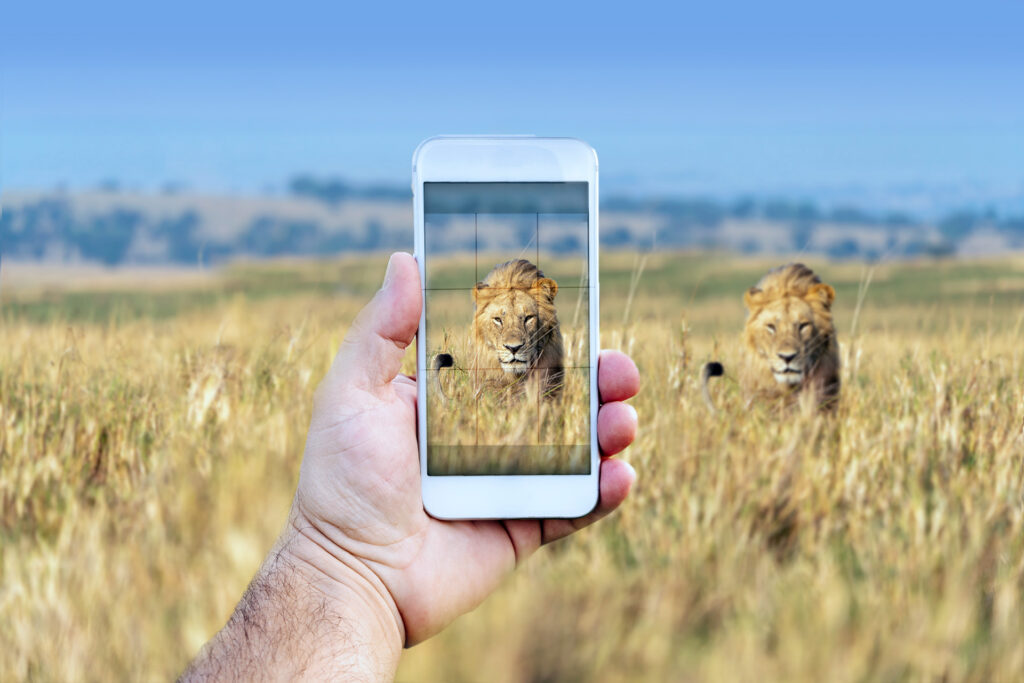
Yes, Mobile Coverage on Kenya Safaris is available across much of Kenya, including many popular safari destinations, but signal strength varies depending on where you travel.
Most visitors can make calls, send messages, and access mobile data in major towns, airports, and many safari lodges. However, remote conservancies and wilderness areas may have weak or no signal.
If staying connected is important, consider using a local SIM card or eSIM, and remember that temporary loss of coverage is a normal part of exploring Kenya’s wild landscapes.
Direct Answer
Your mobile phone will usually work during a Kenya safari, but you should not expect continuous signal everywhere.
Coverage depends on:
- Your mobile network.
- The national park or conservancy.
- Distance from nearby towns.
- Terrain.
- Weather conditions.
For most travelers, staying in touch with family, guides, and accommodation is straightforward, but some remote wildlife areas intentionally have limited connectivity.
Introduction
Many first-time safari travelers ask:
- Will my phone work?
- Can I make calls from the Masai Mara?
- Will I have mobile data?
- Should I buy a Kenyan SIM card?
- Is roaming enough?
- What happens if there’s no signal?
These are important questions—especially if you need to:
- Stay in contact with family.
- Manage work occasionally.
- Use online banking.
- Access maps.
- Contact your safari operator.
- Share photos during your trip.
Fortunately, Kenya has one of the most developed telecommunications networks in East Africa.
Even so, safari destinations are designed around wildlife—not mobile towers.
Understanding where you’ll likely have coverage (and where you won’t) helps you travel with realistic expectations and avoid unnecessary stress.
If you’re planning your safari, start with our Kenya Safari Packages for UAE Travelers, where you’ll also find guides covering visas, health, packing, budgets, and choosing the right safari itinerary.
Will My Phone Work in Kenya?
For most international travelers:
Yes.
Provided your phone is:
- Unlocked
- Compatible with local networks
- Enabled for international roaming (if applicable)
you’ll usually have no difficulty using it in Kenya.
Most modern smartphones work without any issues.
Mobile Coverage Is Better Than Many Visitors Expect
One of the biggest surprises for first-time safari travelers is how much mobile coverage exists throughout Kenya.
Coverage is generally excellent in:
- Nairobi
- Mombasa
- Major highways
- Airports
- Most towns
Many safari lodges also enjoy reliable mobile reception.
However, coverage naturally becomes less consistent the further you travel into remote wilderness.
Why Coverage Varies
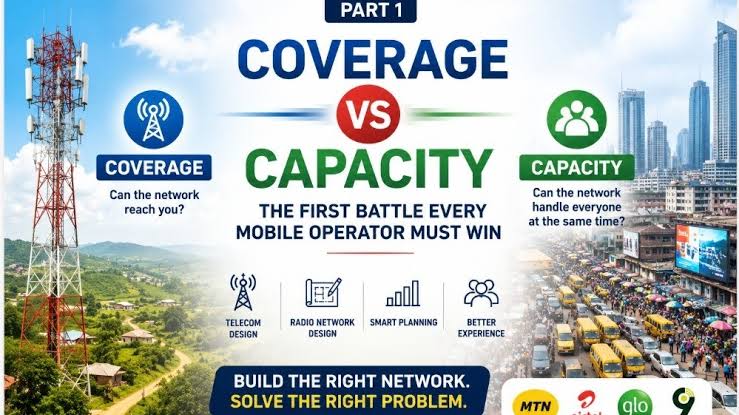
Unlike cities, national parks prioritize conservation over telecommunications infrastructure.
Signal strength depends on factors such as:
- Distance from mobile towers.
- Hills and valleys.
- Dense vegetation.
- Remote location.
- Weather.
This means two lodges only a few kilometers apart may experience noticeably different reception.
Mobile Coverage in Popular Safari Destinations
The Masai Mara generally has good mobile coverage around many lodges, camps, and main access roads.
However:
- Some conservancies have weaker reception.
- Signal can disappear during game drives in more remote areas.
Many travelers can comfortably make calls from camp while enjoying limited coverage during wildlife viewing.
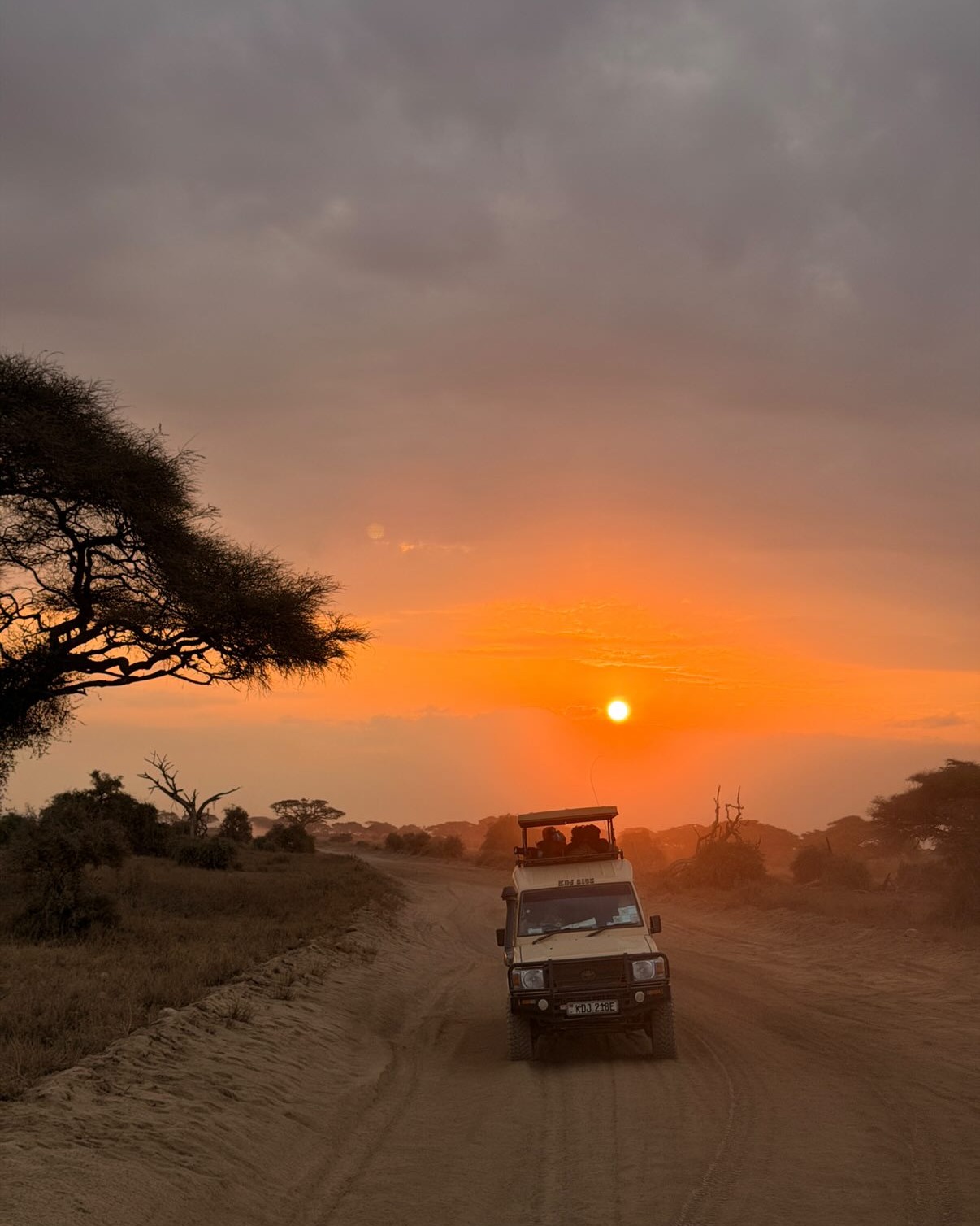
Amboseli offers relatively good mobile coverage around:
- Lodges
- Camps
- Park headquarters
Signal may weaken while exploring more remote sections of the park.
Lake Nakuru generally has reliable reception due to its proximity to Nakuru City.
Many travelers experience strong mobile connectivity throughout their stay.
Coverage around Lake Naivasha is usually excellent.
Most accommodations provide both:
- Mobile reception
- Wi-Fi
making it one of the easiest safari destinations for staying connected.
Coverage in Samburu varies.
Many lodges provide acceptable reception, although signal quality may fluctuate depending on location.
Because Tsavo East and Tsavo West cover enormous areas, coverage varies considerably.
Some sections have good reception.
Others may have little or no signal for extended periods.

Should You Expect Full Coverage During Game Drives?
Not necessarily.
Game drives often take you far from lodge areas.
Temporary signal loss is perfectly normal.
Many travelers actually appreciate these uninterrupted periods, allowing them to focus entirely on wildlife rather than their phones.
Best Mobile Networks in Kenya
Kenya has several mobile network operators, but the largest providers offer the broadest coverage across towns, highways, and many safari destinations.
When choosing a provider, consider:
- National coverage
- Mobile data reliability
- Availability of tourist SIM packages
- Customer support
- Network performance in remote regions
No provider guarantees uninterrupted signal in every national park, but the major networks generally perform well in the country’s most popular safari areas.
If your itinerary includes extremely remote conservancies, your safari consultant can advise what to expect in those specific locations.

Roaming vs Local SIM Card vs eSIM
One of the first decisions you’ll make after landing in Kenya is how to stay connected.
Each option has advantages.
Option 1: International Roaming
Roaming is convenient because:
- You keep your normal phone number.
- No setup is required.
- Your phone works immediately after arrival (if roaming is enabled).
However, roaming charges can be expensive depending on your home mobile provider.
Always check international rates before traveling.
Option 2: Local SIM Card
Many visitors choose a Kenyan SIM card because it offers:
- Affordable data packages
- Local calling rates
- Better value than international roaming
- Good compatibility with local networks
SIM cards are widely available at airports, shopping malls, and authorized mobile stores.
Remember that your phone must be unlocked to use a local SIM.
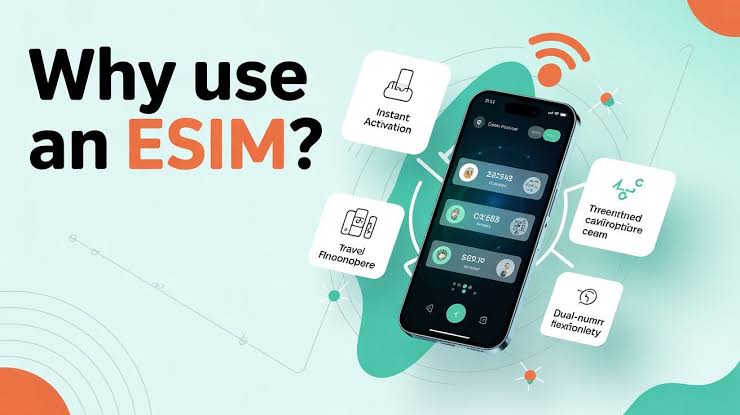
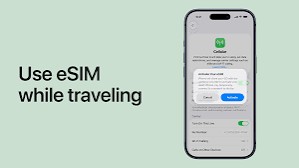
Option 3: eSIM
If your smartphone supports eSIM technology, this is often the simplest option.
Benefits include:
- Activation before departure
- Keeping your home SIM active
- Quick setup
- Immediate access to mobile data after arrival
Before purchasing, verify:
- Device compatibility
- Coverage in Kenya
- Data allowance
- Validity period
Mobile Data Speeds
In cities and larger towns, mobile internet is often fast enough for:
- Browsing
- Messaging
- Social media
- Navigation
- Online banking
In safari areas, speeds vary depending on:
- Signal strength
- Network congestion
- Distance from towers
- Terrain
Most travelers can comfortably use everyday mobile apps, but uploading large videos or participating in long video calls may be less reliable.
Can You Make Voice Calls?
Yes.
Voice calls generally work well wherever mobile coverage is available.
However, brief interruptions are normal while traveling through:
- Valleys
- Remote plains
- Dense bush
- Mountainous regions
If an important call is scheduled, it’s best to take it from your lodge rather than during a game drive.
Messaging Apps Often Work Better
Even where mobile signal is modest, messaging applications frequently function well.
Many travelers use:
- Text messaging
- Internet-based messaging apps
- Voice notes
These require less bandwidth than video calls and often continue working when internet speeds are limited.
Emergency Communication
Professional safari operators maintain reliable communication systems.
Even if your personal phone loses signal, your guide will typically have access to communication through:
- Mobile networks where available
- Radio communication
- Lodge networks
- Emergency response systems
This provides an additional layer of reassurance while traveling in remote wildlife areas.
Should You Rely Only on Your Phone?
Not entirely.
Before leaving each lodge, it’s wise to:
- Save important phone numbers.
- Share your itinerary with family.
- Carry offline maps if needed.
- Download travel documents in advance.
Preparing for occasional loss of signal makes the journey much more relaxing.
Mobile Coverage vs Wi-Fi
Many travelers confuse these two.
Mobile Coverage
Uses:
- Cellular towers
- SIM cards
- Mobile data
Useful while:
- Driving
- Traveling between parks
- Exploring towns
Wi-Fi
Provided by:
- Lodges
- Camps
- Hotels
Useful for:
- Larger downloads
- Laptop use
- Business work
- Uploading photos
Combining both usually provides the best overall connectivity during your safari.

Staying Connected Without Missing the Safari
Technology is helpful.
But one of the greatest rewards of safari is being fully present.
Instead of constantly checking your phone, consider:
- Photographing wildlife first.
- Uploading later.
- Scheduling one or two daily check-ins.
- Turning off unnecessary notifications.
This balance allows you to remain connected without missing unforgettable wildlife moments.
Frequently Asked Questions
Will my mobile phone work in Kenya?
Yes. Most modern smartphones work in Kenya provided they are unlocked and compatible with local mobile networks.
You can either:
- Use international roaming through your home provider.
- Purchase a local Kenyan SIM card.
- Activate an eSIM if your device supports it.
Before departure, confirm your phone’s compatibility and roaming settings.
Is mobile coverage available inside Kenya’s national parks?
Yes, in many areas.
Popular parks such as the Masai Mara, Amboseli, Lake Nakuru, and Lake Naivasha generally have mobile coverage around lodges, camps, and main access roads.
However, signal strength often decreases in more remote sections of parks and conservancies, where wildlife—not telecommunications infrastructure—is the priority.
Which option is better: roaming or a local SIM card?
For most visitors, a local SIM card or eSIM provides better value.
Advantages include:
- Lower data costs.
- Local call rates.
- Reliable access to Kenyan mobile networks.
International roaming is convenient but can become expensive depending on your home mobile provider.
Can I access mobile data during safari?
Usually, yes.
Where mobile coverage is available, travelers can typically:
- Browse the internet.
- Send messages.
- Use maps.
- Access email.
- Share photos.
Internet speeds vary depending on your location and network conditions.
If you require consistently fast internet for work, discuss this with your safari consultant before booking.
Will I have signal throughout game drives?
Not necessarily.
Game drives often take you into remote wilderness where signal may disappear temporarily.
This is completely normal and usually lasts until you return closer to lodge areas or major roads.
Many travelers find these periods of disconnection become one of the highlights of the safari experience.
Should I buy an eSIM before traveling?
If your phone supports eSIM technology, purchasing one before departure can be very convenient.
Benefits include:
- Quick activation.
- Keeping your home SIM active.
- Immediate mobile data after arrival.
- No need to replace your physical SIM card.
Always check device compatibility and the provider’s Kenya coverage before purchasing.
Can I contact family during my safari?
Yes.
Most travelers stay in touch through:
- Mobile calls.
- Messaging apps.
- Lodge Wi-Fi.
- Mobile data.
Many families agree on one or two scheduled daily updates, which is often sufficient while allowing everyone to enjoy the safari without constantly checking their phones.
What happens in an emergency if there is no mobile signal?
Professional safari operators are well prepared for this.
Guides typically have access to multiple communication systems, including:
- Mobile networks where available.
- Radio communication.
- Lodge communication systems.
- Emergency support networks.
Even if your personal phone has no signal, your safari team can usually communicate when necessary.
Should I rely only on mobile coverage?
No.
For peace of mind:
- Download important travel documents before departure.
- Save emergency contacts offline.
- Carry printed copies of key reservations if desired.
- Inform family of your itinerary before entering remote safari areas.
Preparing for occasional signal loss ensures a smoother travel experience.
How do I choose accommodation with better mobile coverage?
If staying connected is important, mention this when requesting your safari quotation.
Your safari specialist can recommend lodges that offer:
- Reliable mobile reception.
- Strong Wi-Fi.
- Business-friendly facilities.
- Consistent power supply.
Planning this in advance avoids surprises after arrival.
Expert Advice: Plan Your Safari Around Your Priorities
Most travelers don’t need perfect mobile coverage—they simply need enough connectivity to communicate with family, check essential messages, and access travel information. Kenya performs remarkably well in this regard, particularly considering that many safari destinations are located deep within protected wilderness areas.
The key is matching your expectations to your itinerary. If reliable connectivity is important for work or personal reasons, choose lodges with stronger network coverage and dependable Wi-Fi. If your goal is to escape the demands of everyday life, embrace the opportunity to disconnect and enjoy one of the few places where nature still takes priority over notifications.
At SK Adventures, we help travelers choose safari itineraries that fit both their wildlife goals and their connectivity needs, ensuring there are no surprises once they arrive.
Key Takeaways
- Mobile phone coverage is available across much of Kenya, including many popular safari destinations, but signal strength varies in remote wildlife areas.
- Most modern smartphones work in Kenya with either international roaming, a local SIM card, or an eSIM.
- A local SIM card or eSIM is usually the most cost-effective option for international visitors.
- Mobile data is suitable for messaging, browsing, navigation, and light online work in areas with coverage.
- Expect occasional loss of signal during game drives and while traveling through remote conservancies.
- Most safari lodges also offer Wi-Fi, providing an additional way to stay connected.
- Download important travel documents and maps before entering remote areas to avoid relying solely on mobile coverage.
- If dependable connectivity is important, discuss this during the planning stage so your safari specialist can recommend suitable lodges and destinations.
Ready to Plan a Kenya Safari That Keeps You Connected?
Whether you need reliable mobile coverage for work, want to keep in touch with loved ones, or simply want the reassurance of knowing you can communicate when needed, the right safari itinerary makes all the difference.
At SK Adventures, we carefully match travelers with lodges and safari routes that suit their individual priorities—including connectivity. From luxury properties with dependable mobile reception and Wi-Fi to remote wilderness camps designed for a true digital escape, we’ll help you choose the experience that’s right for you.
Request Your Personalized Safari Quote
Contact SK Adventures today for a personalized Kenya safari quotation. We’ll recommend the best parks, lodges, and travel style based on your wildlife interests, comfort preferences, budget, and connectivity requirements—so you can enjoy an unforgettable safari with complete confidence, whether you want to stay online or disconnect completely.