
A successful Kenya trip begins with good planning. Apply for your travel authorization early, choose the right travel season, pack light, carry some cash alongside your bank cards, respect wildlife and local culture, and work with a reputable local safari operator. Most first-time visitors discover that Kenya is welcoming, well-organized, and far easier to travel than they expected.
Direct Answer
The best Kenya travel tip is to prepare well before you arrive.
Understanding entry requirements, weather, money, health precautions, transport, safari etiquette, and local customs removes uncertainty and allows you to focus on enjoying Kenya’s incredible wildlife, landscapes, beaches, and culture.
The more informed you are before departure, the smoother—and more rewarding—your journey will be.
Introduction
Planning your first visit to Kenya is exciting.
It’s also completely normal to have questions.
You may be wondering:
- Is Kenya safe?
- What currency should I carry?
- Can I use my credit card?
- How much should I tip?
- What should I wear?
- When is the best time to visit?
- Is a safari physically demanding?
- Will I have internet access?
These are practical questions, and the answers matter because they directly influence how comfortable and enjoyable your holiday will be.
Many travel articles provide long lists of generic tips without explaining why they matter.
This guide takes a different approach.
As Kenya safari specialists, we’ve focused on the advice that genuinely helps travelers avoid common mistakes, make better decisions, and enjoy a smoother holiday from arrival to departure.
If you’re still planning your itinerary, begin with our Kenya Safari Packages for UAE Travelers, where you’ll also find expert guidance on visas, flights, budgeting, health, and choosing the right safari.
Essential Kenya Travel Tips Before You Go
Preparation is the easiest way to reduce stress and avoid problems during your trip.
Apply for Your Travel Authorization Early
Don’t leave your travel documents until the last minute.
Before departure:
- Confirm passport validity.
- Apply for the required Kenya travel authorization (where applicable).
- Print or save digital copies of important documents.
- Confirm your accommodation and safari bookings.
Completing these steps early allows time to resolve any unexpected issues before travel.
Choose the Right Time to Visit
Kenya is a year-round destination, but the best time depends on what you want to experience.
For example:
- Wildlife viewing
- Great Migration
- Birdwatching
- Photography
- Beach holidays
- Lower prices
Choosing the wrong season for your expectations is one of the most common planning mistakes.
Build a Balanced Itinerary
Many first-time visitors try to include too many destinations.
Instead, prioritize:
- Fewer parks
- More game drives
- Less time driving
- Better wildlife experiences
A well-planned itinerary almost always provides a better safari than trying to visit every famous park.
Pack for Comfort, Not Fashion
Safaris are practical adventures.
Bring:
- Lightweight clothing
- Comfortable footwear
- Neutral colors
- Sun protection
- Light jacket
Packing efficiently makes every transfer and game drive easier.
Arrival Tips
Most international travelers arrive through Jomo Kenyatta International Airport (JKIA) in Nairobi.
After arrival:
- Complete immigration procedures.
- Collect luggage.
- Meet your safari representative.
- Exchange a small amount of currency if needed.
- Purchase a SIM card if required.
Avoid exchanging large amounts of money at the airport, as rates may not be the most competitive.
Money Tips
Kenya uses the Kenyan Shilling (KES).
Most lodges and hotels accept:
- Visa
- Mastercard
However, smaller businesses, local markets, and tipping often require cash.
Carry:
- Credit/debit card
- Some Kenyan Shillings
- A small amount of emergency USD (clean, newer notes if applicable)
Avoid carrying excessive cash.

Mobile Internet & SIM Cards
Staying connected is easy.
Popular providers include:
- Safaricom
- Airtel
SIM cards are inexpensive and offer excellent coverage in cities and many safari areas.
Most lodges also provide Wi-Fi, although speeds may vary in remote locations.
Transportation Tips
Kenya is larger than many travelers expect.
Travel times between parks can be significant.
When planning your safari:
- Don’t underestimate driving times.
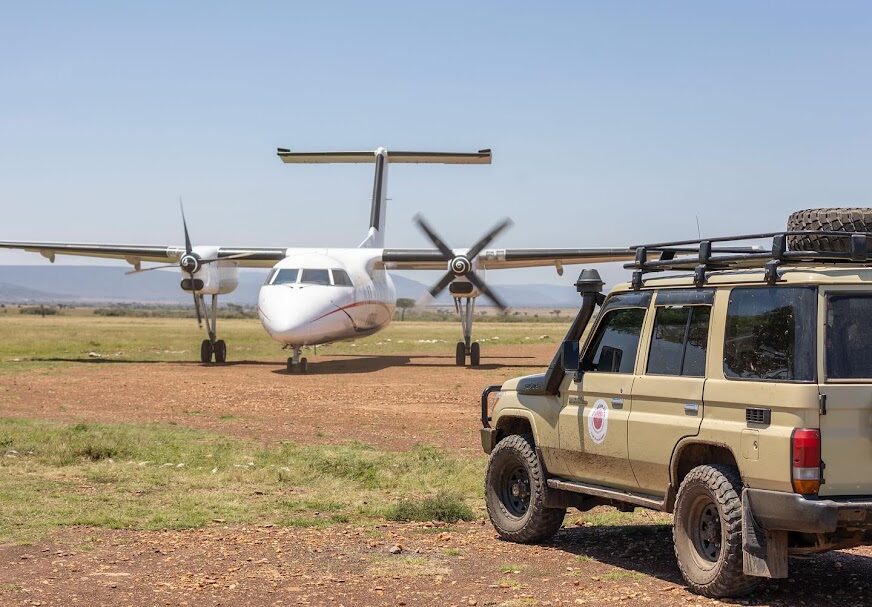
- Consider domestic flights for longer itineraries.
- Choose an itinerary that minimizes unnecessary road travel.
Well-designed itineraries reduce fatigue and maximize time spent enjoying wildlife.
Safari Etiquette
Your safari experience improves when everyone follows a few simple guidelines.
Always:
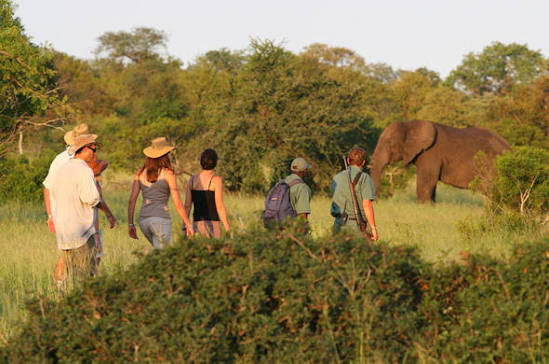
- Listen to your guide.
- Remain seated unless instructed otherwise.
- Speak quietly near wildlife.
- Avoid sudden movements.
- Respect park regulations.
Remember:
You’re visiting the animals’ home—not a zoo.
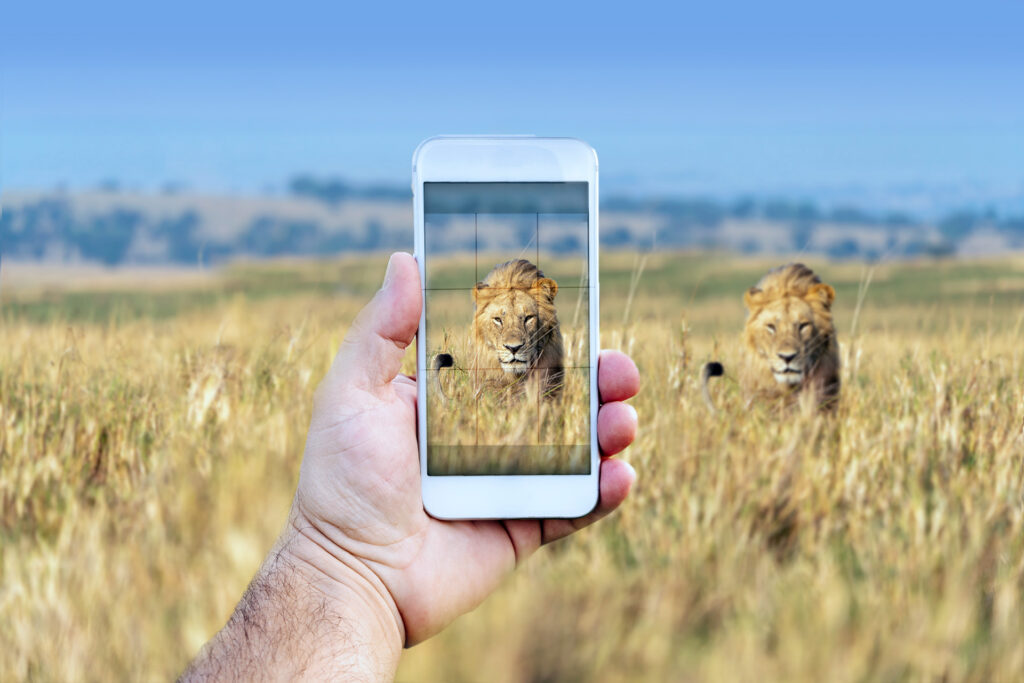
Photography Tips
Kenya offers exceptional photography opportunities.
To improve your photos:
- Bring extra batteries.
- Carry additional memory cards.
- Photograph during early morning and late afternoon.
- Be patient.
- Focus on behavior rather than just close-ups.
Sometimes the most memorable images come from observing natural interactions rather than rushing to capture every animal.
Respect Wildlife
Never:
- Feed animals.
- Attempt to attract wildlife.
- Leave the vehicle without permission.
- Litter.
Responsible tourism helps protect Kenya’s incredible wildlife for future generations.
Health Tips
One of the easiest ways to enjoy a worry-free holiday is to prepare for your health needs before departure.
Before traveling:
- Check recommended vaccinations with your healthcare provider.
- Discuss whether malaria prevention is appropriate for your itinerary.
- Purchase comprehensive travel insurance.
- Pack sufficient prescription medication for your entire trip.
- Carry a small personal first-aid kit.
Most safari lodges have excellent hygiene standards, but bringing your own basic medical supplies provides additional peace of mind.

Drink Safe Water
Most safari camps and hotels provide:
- Bottled drinking water
- Filtered drinking water
Avoid drinking untreated water unless advised it is safe.
Carry a reusable water bottle if possible to reduce plastic waste.
Staying hydrated is particularly important during warmer months and long game drives.
Protect Yourself from the Sun
Kenya sits close to the equator, and the sun can be stronger than many visitors expect.
Pack:
- High-SPF sunscreen
- Sunglasses
- Wide-brimmed hat
- Lip balm
- Lightweight long-sleeved clothing
Even on cooler days, UV exposure can be significant.
Respect Local Culture
Kenya is culturally diverse, with more than 40 ethnic communities and a rich blend of traditions, religions, and languages.
Visitors are warmly welcomed, and showing respect for local customs helps create positive interactions.
Simple courtesies include:
- Greeting people politely.
- Asking permission before photographing individuals.
- Dressing modestly when visiting villages or religious sites.
- Being patient and respectful during cultural visits.
Learning a few Swahili phrases is also appreciated.
For example:
- Jambo – Hello
- Asante – Thank you
- Karibu – Welcome
- Pole pole – Slowly, take your time

Tipping Guide
Tipping is customary in Kenya’s tourism industry and is a meaningful way to recognize excellent service.
While amounts vary depending on the type of trip and level of service, many travelers choose to tip:
- Safari guides
- Camp staff
- Porters
- Drivers
Your safari operator can provide current guidance based on your itinerary and group size.
Rather than viewing tipping as an obligation, consider it recognition for the people who work hard to make your safari memorable.
Shopping & Souvenirs
Kenya offers excellent opportunities to purchase locally made crafts.
Popular souvenirs include:
- Hand-carved wooden wildlife figures
- Maasai beadwork
- Handmade baskets
- Soapstone carvings
- Paintings
- Locally roasted coffee
- Tea
Buying directly from local artisans supports communities and helps preserve traditional craftsmanship.
If your safari includes Kenya’s coast:
Remember to pack:
- Swimwear
- Sandals
- Reef-safe sunscreen
- Beach clothing
- Waterproof phone pouch
The pace at the coast is much more relaxed than on safari.
Many travelers appreciate ending their holiday at the beach, allowing time to unwind before returning home.

Stay Flexible
Wildlife doesn’t follow schedules.
Some of your most memorable safari moments may happen when:
- A leopard suddenly appears.
- Elephants block the road.
- Lions begin hunting.
- A river crossing starts unexpectedly.
Patience often leads to extraordinary experiences.
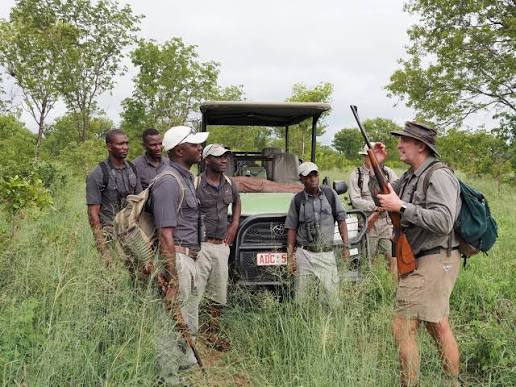
Trust Your Safari Guide
Your guide’s experience is one of the most valuable parts of your safari.
Professional guides understand:
- Animal behavior
- Seasonal wildlife movements
- Park conditions
- Photography opportunities
- Safety procedures
Following their advice often leads to better wildlife sightings and a smoother safari.
Common First-Time Visitor Mistakes
Trying to Visit Too Many Parks
Many travelers believe “more parks” automatically means a better safari.
In reality, spending longer in fewer parks often results in:
- Better wildlife viewing
- Less driving
- More relaxed travel
- Higher-quality experiences
Underestimating Driving Times
Kenya is a large country.
Road transfers between destinations can take several hours.
Choosing a realistic itinerary helps reduce travel fatigue.
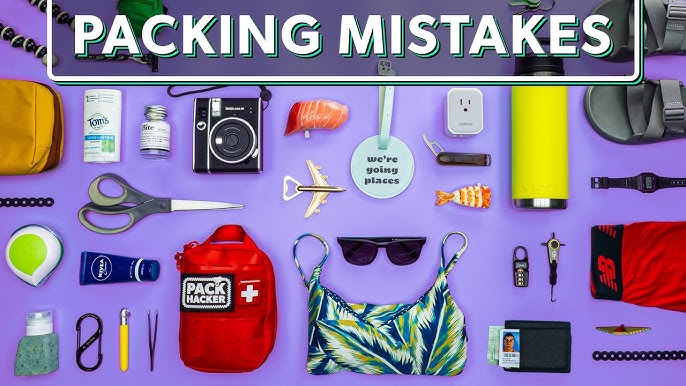
Overpacking
Most travelers use only a portion of the clothing they bring.
Pack versatile items instead of numerous outfit changes.
Expecting Wildlife on Demand
Nature is unpredictable.
Every safari is unique.
Rather than chasing a checklist, enjoy the complete ecosystem:
- Landscapes
- Birds
- Sunrises
- Animal behavior
- Cultural experiences
These moments often become the most memorable parts of the journey.
Booking Based Only on Price
The cheapest safari isn’t always the best value.
Consider:
- Guide quality
- Vehicle comfort
- Park selection
- Accommodation
- Included activities
- Operator reputation
A thoughtfully designed safari usually delivers a much better overall experience than simply choosing the lowest price.
Travel Tips for UAE Visitors
Travelers from the UAE often appreciate Kenya because of:
- Convenient flight connections
- Minimal time difference
- Warm hospitality
- Luxury accommodation
- Excellent safari infrastructure
- Easy safari-and-beach combinations
Planning ahead for visas, flights, and travel insurance helps ensure a smooth journey.
Frequently Asked Questions
Is Kenya a good destination for first-time safari travelers?
Yes.
Kenya is widely regarded as one of the best countries in Africa for first-time safari visitors because it combines:
- Excellent wildlife viewing
- Well-established tourism infrastructure
- Professional safari guides
- Wide accommodation choices
- Easy safari planning
- Opportunities to combine wildlife with beach holidays
Many travelers find Kenya easier to navigate than they expected.
How much cash should I carry in Kenya?
Most safari lodges, hotels, and larger businesses accept major credit cards.
However, carrying a modest amount of Kenyan Shillings is useful for:
- Tipping
- Small purchases
- Local markets
- Snacks
- Souvenirs
Avoid carrying large amounts of cash.
Is it safe to use my phone during a safari?
Yes.
Phones are commonly used for photography and communication.
However:
- Keep devices secure.
- Protect them from dust.
- Carry a power bank.
- Respect guide instructions when photographing wildlife.
Should I book my safari before arriving in Kenya?
Yes.
Booking in advance provides:
- Better accommodation availability
- More itinerary choices
- Easier flight coordination
- Greater peace of mind
This is particularly important during peak travel periods such as the Great Migration season.
Can I combine a safari with a beach holiday?
Absolutely.
Many travelers spend:
- 4–7 days on safari
- Followed by 3–5 days at the Kenyan coast
This combination offers both adventure and relaxation and is one of Kenya’s greatest travel advantages.
What is the best way to travel between safari parks?
It depends on your itinerary.
For shorter distances, private 4×4 safari vehicles are ideal.
For longer journeys, domestic flights can significantly reduce travel time and maximize your time enjoying wildlife rather than sitting on the road.
Your safari specialist can recommend the most efficient transport option for your itinerary.
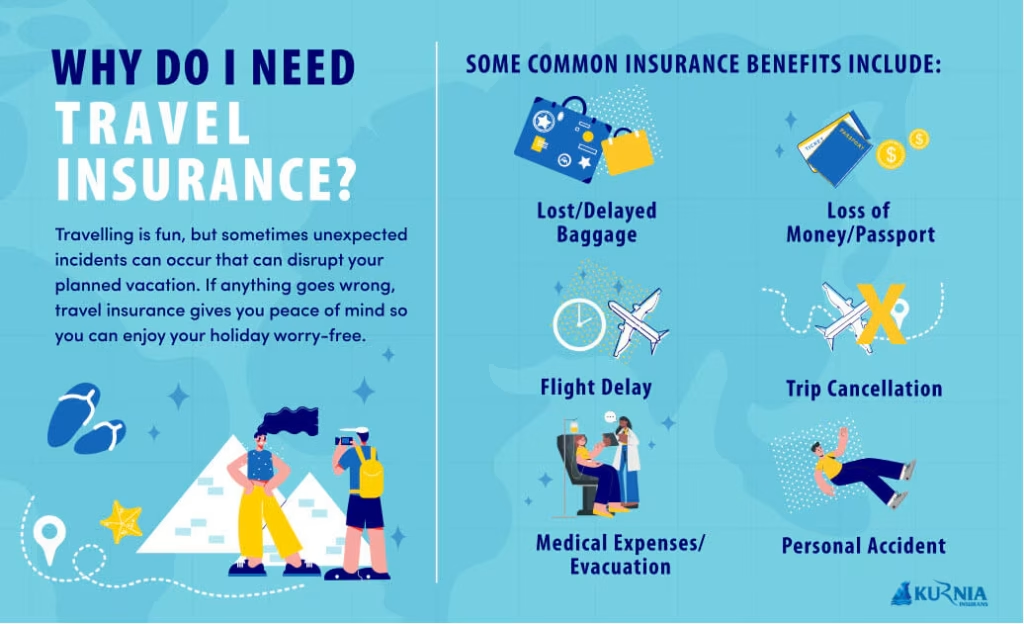
Is travel insurance necessary?
While not always mandatory, comprehensive travel insurance is strongly recommended.
It can provide coverage for:
- Medical emergencies
- Trip interruptions
- Lost baggage
- Flight delays
- Emergency evacuation where required
Having appropriate insurance gives peace of mind throughout your journey.
Can I drink tap water in Kenya?
It’s generally recommended to drink bottled or properly filtered water provided by hotels, lodges, and camps.
Most safari accommodations make safe drinking water readily available.
How early should I start planning my Kenya safari?
For the best choice of accommodations and travel dates, begin planning:
- 6–12 months in advance for peak seasons (especially the Great Migration and festive holidays).
- 3–6 months in advance for many other travel periods.
Early planning often provides greater flexibility and access to preferred lodges.
What is the single best travel tip for Kenya?
Work with a knowledgeable local safari specialist.
A well-designed itinerary, realistic travel times, carefully selected accommodations, and expert guidance can make the difference between a good holiday and an exceptional one.

Expert Advice: Travel Smart, Not Just Far
Successful Kenya holidays are rarely the result of luck.
They are the result of thoughtful planning.
Knowing when to travel, choosing the right parks, allowing enough time in each destination, packing appropriately, understanding local customs, and working with experienced professionals all contribute to a smoother and more rewarding experience.
At SK Adventures, we believe our role goes beyond arranging accommodation and transport. We help travelers understand their options, avoid common mistakes, and design itineraries that reflect their interests, travel style, and budget. That means you spend less time worrying about logistics and more time enjoying Kenya’s extraordinary wildlife, landscapes, and culture.
Key Takeaways
- Careful planning before departure makes your Kenya holiday smoother, safer, and more enjoyable.
- Choose the right travel season based on your interests, whether that’s wildlife, the Great Migration, photography, or beach relaxation.
- Book your safari early, especially during peak travel periods, to secure the best guides and accommodations.
- Carry a combination of bank cards and a small amount of Kenyan Shillings for convenience.
- Respect wildlife, local customs, and your guide’s instructions to enhance both your experience and responsible tourism.
- Pack light, prepare your travel documents in advance, and understand luggage requirements if your itinerary includes domestic flights.
- Combining a safari with a few days on Kenya’s Indian Ocean coast is one of the best ways to experience the country.
- Working with a trusted local safari specialist helps you avoid common mistakes and creates a more personalized, stress-free journey.

Ready to Experience Kenya with Confidence?
The best travel tip is simple: plan with experts who know Kenya inside and out. From choosing the right national parks and travel season to organizing seamless transfers and recommending the ideal safari-and-beach combination, expert guidance helps turn a good trip into an unforgettable one.
At SK Adventures, we create tailor-made Kenya safaris that are designed around your interests, travel pace, and budget. Whether you’re looking for the Big Five, the Great Migration, a family adventure, a luxury escape, or a romantic honeymoon, we’ll help you build an itinerary that lets you experience the very best of Kenya with confidence.
Request Your Personalized Kenya Safari Quote
Contact SK Adventures today for a personalized Kenya safari quotation. Our travel specialists will help you choose the right itinerary, answer your planning questions, coordinate every detail of your journey, and ensure you’re fully prepared for an extraordinary safari experience from the moment you arrive to the day you return home.