
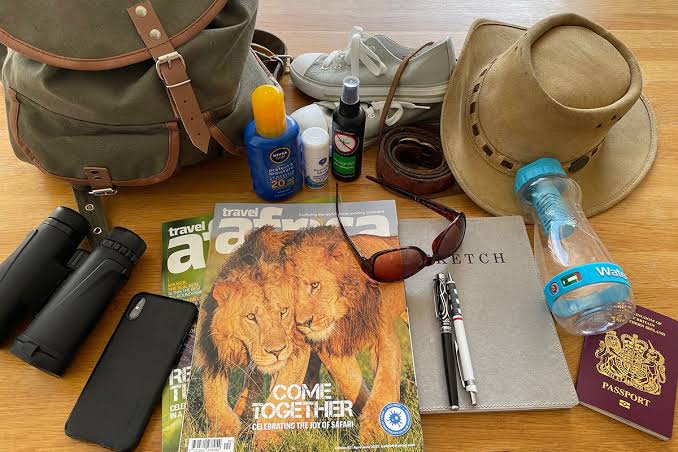
Packing for a Kenya safari is simpler than many first-time visitors expect. The key is to pack lightweight, neutral-colored clothing, comfortable walking shoes, sun protection, travel documents, personal medications, and a good camera or smartphone. If your itinerary includes domestic flights, a soft-sided bag weighing no more than 15 kg (33 lbs) is often recommended. Avoid bright colors, camouflage clothing, excessive luggage, and unnecessary valuables.
A well-packed safari allows you to stay comfortable, travel efficiently, and enjoy every game drive without worrying about forgotten essentials.
Direct Answer
The best way to pack for a Kenya safari is to bring lightweight layers, comfortable footwear, neutral-colored clothing, essential travel documents, personal medications, and only the items you’ll genuinely use.
Most travelers need far less luggage than they expect.
Instead of packing for every possible situation, focus on versatile clothing and practical accessories that keep you comfortable during early morning game drives, warm afternoons, and occasional cool evenings.
Introduction
One of the most common questions first-time safari travelers ask is:
“What should I pack for Kenya?”
It’s an important question because a safari is unlike a typical beach holiday or city break.
You’ll spend long hours outdoors, travel between wildlife areas, experience changing temperatures throughout the day, and, in some cases, fly on small aircraft with strict luggage limits.
Many travelers make the mistake of overpacking. Others forget surprisingly important items such as binoculars, power adapters, insect repellent, or lightweight jackets for chilly morning game drives.
The good news?
Packing for Kenya is much easier than it seems.
This guide explains exactly what you should bring, what you can safely leave at home, and why each recommendation matters, helping you travel comfortably without carrying unnecessary luggage.
If you’re still planning your safari, begin with our Kenya Safari Packages for UAE Travelers, where you’ll also find expert advice on visas, flights, travel seasons, safety, budgeting, and choosing the right safari itinerary.

General Packing Principles
Before looking at individual items, remember these simple rules:
Pack Light
Most travelers wear the same comfortable safari clothing throughout their trip.
You don’t need a different outfit for every day.
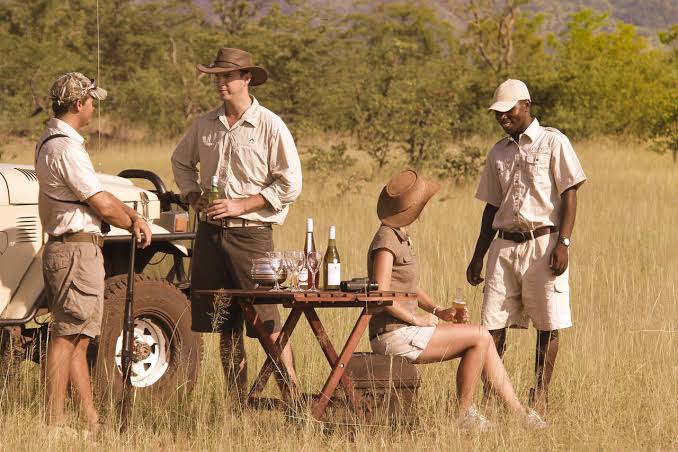
Choose Neutral Colors
The best safari clothing colors include:
- Khaki
- Olive
- Beige
- Brown
- Grey
- Green
These colors:
- Blend into natural surroundings.
- Stay cooler than dark colors.
- Show less dust than black clothing.
- Avoid attracting insects as much as bright colors.
We’ll explain clothing colors in more detail later in this guide.
Dress in Layers
Safari temperatures change throughout the day.
You may experience:
- Cool mornings.
- Warm afternoons.
- Chilly evenings.
Light layers make it easy to stay comfortable.
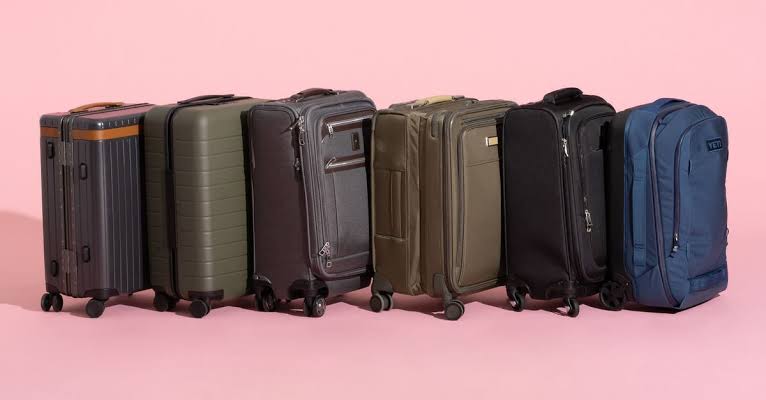
Soft Bags Are Better
If your safari includes domestic flights, many operators require:
- Soft-sided duffel bags.
- Maximum luggage weight around 15 kg (33 lbs), including hand luggage.
Soft bags are easier to load into safari vehicles and light aircraft than rigid suitcases.
Complete Kenya Safari Packing Checklist
Let’s break your packing list into categories.
Clothing
Most travelers only need:
Tops
- 4–6 lightweight shirts
- Breathable T-shirts
- Long-sleeved safari shirts for sun and insects
Long sleeves provide extra protection while remaining comfortable in warm weather.
Trousers
Bring:
- 2–3 lightweight trousers
- Comfortable safari pants
- Optional shorts for lodge relaxation
Zip-off hiking trousers are especially practical.
Jacket
Don’t forget:
- Lightweight fleece
- Windbreaker
- Light insulated jacket
Morning game drives can feel surprisingly cold, especially in higher-altitude parks like the Masai Mara or Amboseli.
Waterproof Layer
If traveling during the rainy season, pack:
- Lightweight waterproof jacket
- Compact rain shell
Heavy raincoats are rarely necessary.
Evening Clothes
Safari lodges are generally relaxed.
Smart casual clothing is usually sufficient.
You rarely need formal wear.
Footwear
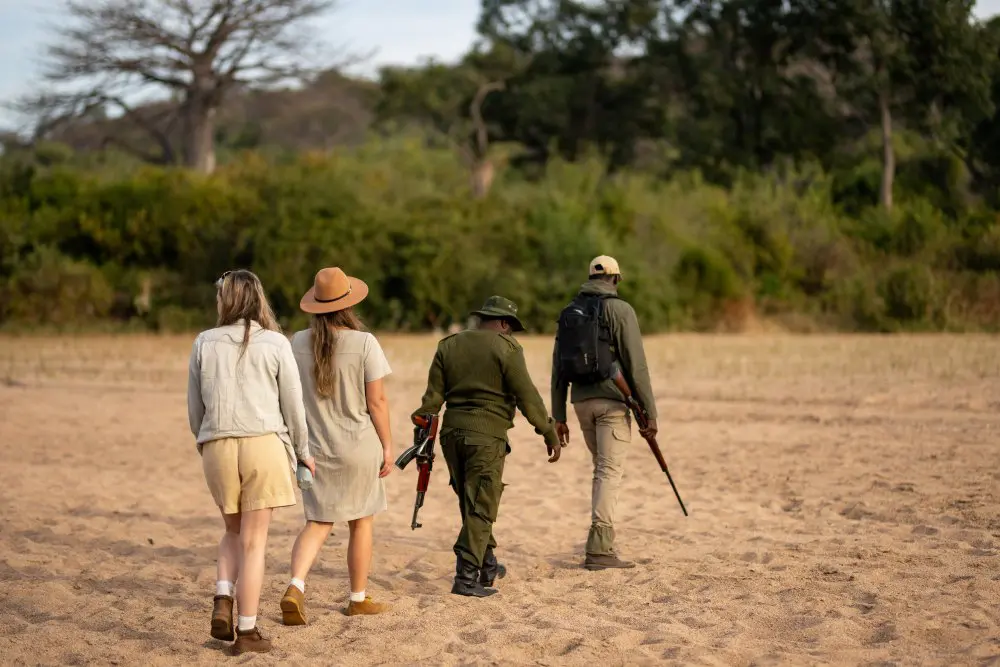
Comfort matters far more than fashion.
Recommended:
- Comfortable walking shoes
- Lightweight hiking shoes
- Sandals for the lodge
- Flip-flops for pool or beach
Unless your itinerary includes extensive hiking, heavy trekking boots are unnecessary.
Hats
Bring:
- Wide-brimmed hat
- Baseball cap
Protection from the African sun makes game drives far more comfortable.
Sunglasses
Choose sunglasses offering:
- UV protection
- Comfortable fit
- Polarized lenses if possible
These help reduce glare during daytime game drives.
Swimwear
Many safari lodges have swimming pools.
If your itinerary includes Kenya’s coast, swimwear becomes essential.
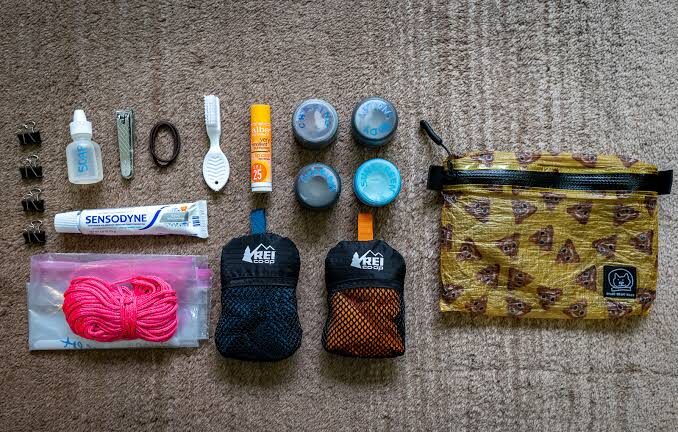
Personal Toiletries
Most lodges provide:
- Shampoo
- Soap
- Conditioner
- Towels
However, you should still pack:
- Toothbrush
- Toothpaste
- Deodorant
- Personal skincare
- Lip balm
- Moisturizer
Travel-sized toiletries save valuable luggage space.
Electronics
Most safari lodges provide electricity for charging devices, although some remote camps rely on solar power or generators with scheduled charging times.
Bring:
- Mobile phone
- Camera (if using one)
- Camera batteries
- Camera charger
- Portable power bank
- Charging cables
- Memory cards
- Universal travel adapter (Kenya primarily uses Type G plugs, 240V/50Hz)
A portable power bank is particularly useful during long game drives or travel days.
Binoculars
If there is one item many first-time visitors wish they had packed, it is a pair of binoculars.
They greatly enhance wildlife viewing by allowing you to observe:
- Leopards resting in trees
- Birds
- Distant elephants
- Predator behavior
- River crossings
A compact pair (8×42 or 10×42) is ideal for most travelers.
Camera Equipment
Kenya offers some of the world’s best wildlife photography opportunities.
If photography is important to you, consider bringing:
- DSLR or mirrorless camera
- Telephoto lens (200–400 mm or longer)
- Extra batteries
- Extra memory cards
- Lens cleaning cloth
- Dust protection bag
If you’re relying on a smartphone, ensure you have enough storage space before traveling.
Travel Documents
Keep important documents together in a waterproof travel wallet.
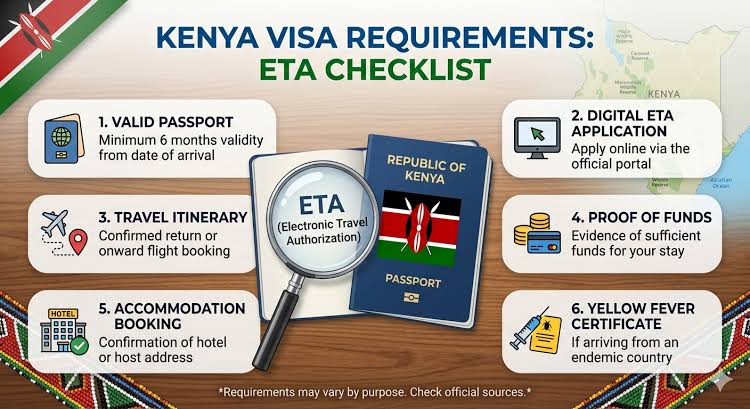
Essential items include:
- Passport (with sufficient validity)
- Kenya Electronic Travel Authorization (eTA), if required
- Flight confirmations
- Safari booking confirmations
- Hotel confirmations
- Travel insurance documents
- Emergency contact information
- Copies of important documents (digital and printed)
Storing digital copies securely in cloud storage provides an extra layer of security.
Money & Payments
Although cards are accepted in many lodges and hotels, it’s wise to carry some cash for:
- Tips
- Small purchases
- Local markets
- Souvenirs
Bring:
- Credit/debit card
- Some US Dollars (clean, newer notes if applicable)
- Kenyan Shillings for smaller expenses

Health & Medication
Bring any personal medications in their original packaging.
Other useful items include:
- Prescription medication
- Basic pain relief
- Motion sickness tablets (if needed)
- Antihistamines
- Rehydration salts
- Adhesive bandages
- Hand sanitizer
- Insect repellent (DEET or picaridin)
- Sunscreen (SPF 30+ or higher)
- After-sun lotion
Consult your healthcare provider before travel regarding vaccinations or malaria prevention where appropriate.
Packing for Different Seasons
Dry Season (June–October)
Pack:
- Lightweight clothing
- Light jacket for mornings
- Sunglasses
- Sunscreen
- Hat
Dust can be more noticeable during this period, so darker neutral colors may show less dirt than very light fabrics.
Green Season (March–May, November)
Bring:
- Lightweight rain jacket
- Waterproof bag cover
- Quick-drying clothing
- Waterproof footwear (optional)
The scenery is exceptionally lush, and wildlife viewing remains rewarding despite occasional rain.
Packing for Families
Parents should also remember:
- Favorite snacks
- Entertainment for travel days
- Reusable water bottles
- Child-safe insect repellent
- Children’s medications
- Lightweight sweaters
- Spare clothing
Keeping children comfortable makes the safari more enjoyable for everyone.

Packing for Luxury Safaris
Luxury safaris don’t require formal clothing.
Instead, prioritize:
- Smart casual evening wear
- Comfortable walking shoes
- Swimwear
- Resort clothing
- Lightweight layers
Even luxury camps maintain a relaxed atmosphere.
Packing for Fly-In Safaris
Many Kenya safari itineraries include light aircraft flights.
These often have strict luggage limits.
Typical guidelines include:
- Soft-sided duffel bag
- Maximum total luggage around 15 kg (33 lbs), including hand luggage (confirm with your airline or safari operator)
- No hard-shell suitcases
Packing efficiently helps avoid excess baggage charges and simplifies transfers.
Safari Clothing Colors Explained
Many travelers ask:
“Do clothing colors really matter?”
Yes—but perhaps not for the reasons many expect.
Recommended Colors
- Olive
- Khaki
- Beige
- Brown
- Grey
- Muted green
These colors:
- Blend naturally into the environment
- Hide dust better
- Feel cooler in the sun
- Are practical for repeated use
Avoid Bright Colors
Bright reds, oranges, and fluorescent colors aren’t prohibited, but they can make you stand out in natural environments and are generally less practical for safari activities.
Avoid Camouflage Clothing
Camouflage clothing is discouraged and, in some African countries, may be restricted for civilian use. Neutral safari colors are the safest and most appropriate choice.
What NOT to Pack
Many first-time visitors bring far more than they actually use.
Avoid packing:
- Large hard-shell suitcases
- Heavy winter coats
- Formal evening wear
- High heels
- Expensive jewelry
- Hair dryers (most lodges provide them)
- Too many clothing changes
- Bulky books
- Excessive toiletries
Remember:
A safari is an outdoor adventure, not a fashion show.
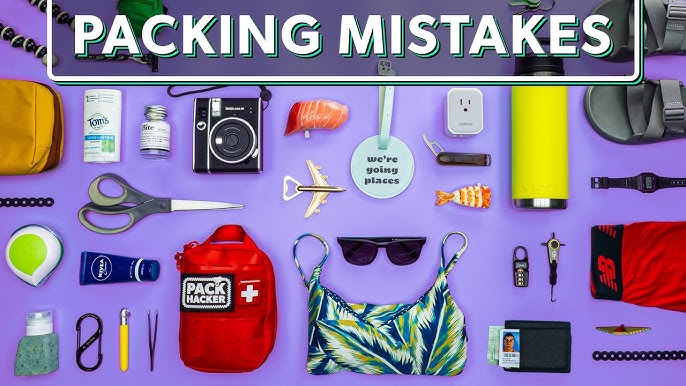
Common Packing Mistakes
Overpacking
Most travelers wear the same comfortable safari clothing throughout the trip.
Pack versatile items rather than numerous outfits.
Forgetting a Warm Layer
Even in equatorial Kenya, early morning game drives can be surprisingly cool.
Ignoring Luggage Restrictions
Always check domestic flight baggage limits before departure.
Bringing Brand-New Shoes
Wear comfortable footwear that you’ve already broken in.
Forgetting Binoculars
Wildlife often appears much farther away than expected.
A good pair of binoculars can transform your safari experience.
Frequently Asked Questions
What clothes should I pack for a Kenya safari?
Pack lightweight, breathable clothing in neutral colors such as khaki, olive, beige, brown, and grey. These colors are practical for safari conditions, show less dust, and blend naturally with the environment.
A typical packing list includes:
- 4–6 lightweight shirts
- 2–3 pairs of safari trousers
- A lightweight fleece or jacket
- Comfortable walking shoes
- Hat
- Sunglasses
- Swimwear (if your itinerary includes a beach extension)
Can I wear shorts on safari?
Yes.
Shorts are perfectly acceptable around lodges and during warmer parts of the day.
However, lightweight long trousers are often more comfortable for:
- Early morning game drives
- Evenings
- Sun protection
- Reducing insect exposure
Many experienced safari travelers prefer convertible zip-off trousers because they offer flexibility throughout the day.
Do I need hiking boots?
Usually not.
Unless your itinerary includes mountain trekking or extensive walking safaris, comfortable walking shoes or lightweight hiking shoes are sufficient.
Heavy trekking boots are unnecessary for most Kenya safari itineraries.
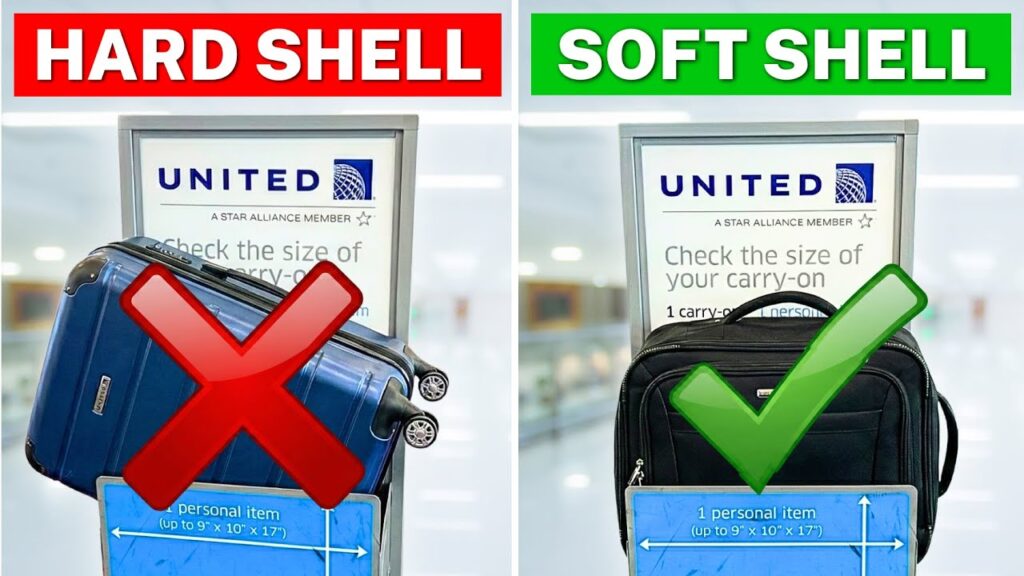
Can I bring a hard-shell suitcase?
For road safaris, hard suitcases are generally acceptable.
However, if your itinerary includes light aircraft (fly-in) transfers, soft-sided duffel bags are usually required because they fit more easily into aircraft cargo compartments.
Many domestic safari flights also have luggage limits of around 15 kg (33 lbs), including hand luggage. Always confirm your operator’s specific baggage policy before departure.
Should I bring binoculars?
Yes.
A good pair of binoculars is one of the most valuable safari items you can pack.
They allow you to enjoy distant wildlife, observe birds, and appreciate animal behavior that may not be visible to the naked eye.
Do safari lodges provide toiletries?
Most lodges provide:
- Shampoo
- Soap
- Conditioner
- Towels
Luxury properties may also provide additional amenities.
Even so, we recommend bringing your preferred personal toiletries and any essential medications.
Should I pack insect repellent?
Yes.
A quality insect repellent is recommended for evenings and certain safari areas. Packing sunscreen, lip balm, and after-sun lotion will also help you stay comfortable throughout your trip.
Can I combine a safari with a beach holiday?
Absolutely.
Many travelers end their safari with 3–5 days on Kenya’s Indian Ocean coast.
If you’re planning a beach extension, remember to pack:
- Swimwear
- Sandals
- Beach clothing
- Reef-safe sunscreen
- Light resort wear

Printable Kenya Safari Packing Checklist
Use this checklist as a final review before you leave for the airport.
Documents
- Passport
- Kenya eTA (if applicable)
- Flight tickets
- Safari confirmations
- Travel insurance
- Emergency contacts
- Credit/debit cards
- Some cash (USD and/or Kenyan Shillings)
Clothing
- Lightweight safari shirts
- Neutral-colored trousers
- Shorts
- Light fleece or jacket
- Waterproof layer (seasonal)
- Underwear and socks
- Sleepwear
- Swimwear
- Hat
Footwear
- Comfortable walking shoes
- Sandals or flip-flops
Health
- Personal medications
- Insect repellent
- Sunscreen
- Lip balm
- Hand sanitizer
- Basic first-aid items
Electronics
- Mobile phone
- Camera
- Chargers
- Power bank
- Universal travel adapter
- Memory cards
- Binoculars
Optional Extras
- Reusable water bottle
- Small daypack
- Notebook
- Travel pillow
- Dry bag for electronics
- Laundry bag
How Smart Packing Improves Your Safari
Packing well isn’t just about convenience—it directly affects your safari experience.
A thoughtfully packed bag helps you:
- Stay comfortable during changing temperatures.
- Travel more easily between destinations.
- Avoid unnecessary airline baggage fees.
- Spend less time worrying about forgotten essentials.
- Focus entirely on enjoying Kenya’s wildlife and landscapes.
Rather than packing “just in case” items, choose versatile clothing and practical accessories that support your itinerary.
At SK Adventures, we provide every guest with pre-departure travel information tailored to their itinerary, including luggage advice for road safaris, fly-in safaris, safari-and-beach holidays, and family trips. Our goal is to ensure you arrive prepared and can enjoy your safari from the moment you land.
Key Takeaways
- Packing light is one of the best ways to make your Kenya safari more comfortable and stress-free.
- Choose lightweight, neutral-colored clothing and dress in layers to adapt to changing temperatures.
- Bring essential travel documents, medications, binoculars, chargers, and sun protection.
- If your itinerary includes fly-in safaris, pack in a soft-sided duffel bag and confirm luggage limits with your safari operator.
- Avoid overpacking, bright colors, camouflage clothing, and unnecessary valuables.
- If you’re extending your trip to the coast, remember to pack swimwear and lightweight beachwear.
- Preparing properly before departure allows you to spend less time worrying about logistics and more time enjoying Kenya’s remarkable wildlife and landscapes.
Ready to Plan Your Kenya Safari?
Packing is one of the final steps before your adventure begins—but choosing the right itinerary is where your journey truly starts. Whether you’re dreaming of the Big Five in the Masai Mara, elephants in Amboseli, or relaxing on the white sands of Diani Beach, careful planning makes every part of your holiday smoother and more enjoyable.
At SK Adventures, we don’t just book safaris—we help you prepare for them. From recommending the right parks and accommodations to providing practical pre-departure advice, we ensure you’re ready for an unforgettable Kenya experience.
Request Your Personalized Kenya Safari Quote
Contact SK Adventures today for a personalized Kenya safari quotation. We’ll help you choose the ideal itinerary, advise you on the best time to travel, explain luggage requirements, and make sure you’re fully prepared for a comfortable, memorable, and hassle-free safari from arrival to departure.