
A Kenya safari can cost anywhere from US$180 to more than US$1,500 per person per day, depending on your travel style, accommodation, season, transport, and whether you choose a private or shared safari.
Rather than asking “What’s the cheapest safari?”, ask “Which safari gives me the best value for my budget?”
The cheapest itinerary isn’t always the best investment. A carefully planned safari often provides significantly better wildlife experiences, fewer long drives, higher-quality guides, and a more enjoyable overall holiday.
Direct Answer
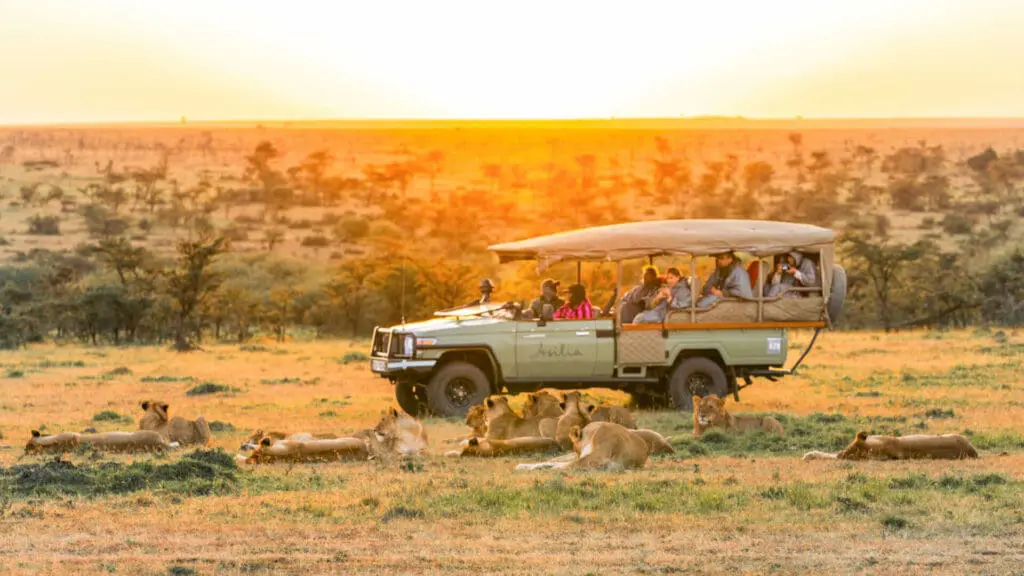
The average Kenya safari costs between US$250 and US$700 per person per day for most international travelers.
Your final price depends on several factors, including:
- Time of year
- National parks visited
- Length of stay
- Accommodation standard
- Group size
- Private or shared safari
- Road or fly-in itinerary
- Included activities
Understanding these factors helps you build a safari that matches both your expectations and your budget.
Introduction
One of the first questions travelers ask is:
“How much does a Kenya safari cost?”
Unfortunately, many websites provide a single number without explaining what it actually includes—or why prices vary so dramatically.
For example:
One traveler may spend US$1,500 on a four-day safari.
Another may spend US$6,000 for the same number of days.
Both are enjoying Kenya.
So why such a difference?
The answer lies in the details.
Accommodation quality, travel season, park fees, transport, guiding, vehicle type, and itinerary design all influence the final price.
This guide explains:
- What you’re paying for
- What affects safari prices
- Where you can save money
- Where spending a little more delivers a much better experience
- How to budget realistically for your Kenya safari
If you’re still comparing itineraries, start with our Kenya Safari Packages for UAE Travelers, where you’ll also find guides on visas, flights, budgeting, safety, and choosing the right safari.
How Much Does a Kenya Safari Cost?
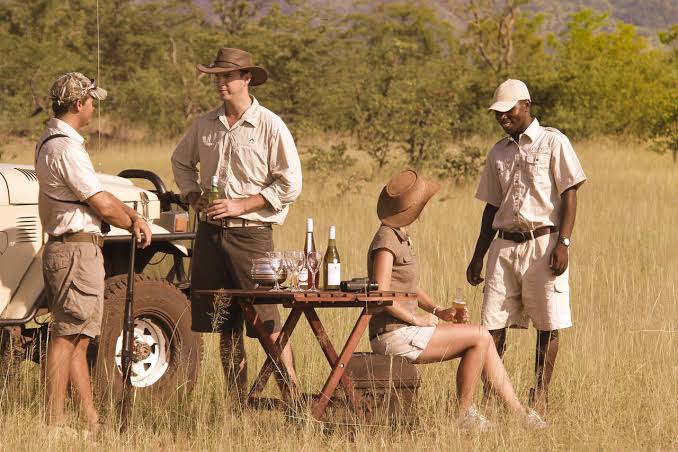
Although every itinerary is unique, the following estimates provide a useful starting point.
| Safari Style | Approximate Cost (Per Person Per Day) | Typical Experience |
|---|---|---|
| Budget | US$180–300 | Shared transport, budget lodges or tented camps |
| Mid-range | US$300–700 | Comfortable lodges, excellent guides, private or small-group safaris |
| Luxury | US$700–1,500+ | Luxury lodges, premium locations, exclusive experiences |
These estimates generally exclude:
- International flights
- Travel insurance
- Personal shopping
- Some beverages
- Tips
Why Safari Prices Vary So Much
Many travelers assume safari pricing is based only on hotel quality.
In reality, accommodation is just one component.
Other important factors include:
- National park entry fees
- Vehicle quality
- Guide experience
- Fuel
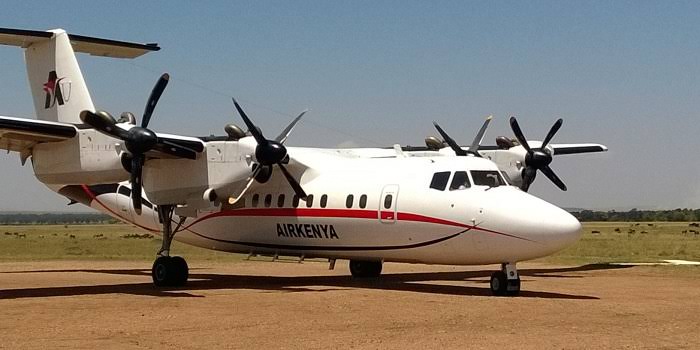
- Domestic flights
- Accommodation location
- Seasonal demand
- Included activities
Understanding these variables allows you to compare itineraries fairly instead of simply comparing prices.
What Is Usually Included?
Most quality Kenya safari packages include:
- Accommodation
- Meals (according to itinerary)
- Park entry fees
- Game drives
- Professional driver-guide
- Safari vehicle
- Airport transfers
- Drinking water during game drives
Some luxury itineraries may also include:
- Sundowners
- Bush breakfasts
- Guided nature walks
- Cultural visits
- Laundry
- Internal flights
Always review what’s included before comparing quotations.
What Usually Costs Extra?
Additional expenses may include:
- International flights
- Kenya travel authorization (where applicable)
- Travel insurance
- Alcoholic beverages
- Optional excursions
- Hot air balloon safaris
- Spa treatments
- Personal shopping
- Tips
- Laundry (at some properties)
Understanding these extra costs helps avoid surprises during your trip.

The Biggest Factors That Affect Kenya Safari Costs
Let’s examine the main factors influencing safari prices.
1. Travel Season
This is one of the biggest pricing factors.
Peak wildlife seasons generally have:
- Higher accommodation rates
- Greater demand
- Earlier booking requirements
Traveling during quieter periods can provide significant savings while still offering excellent wildlife viewing.
2. Accommodation Standard
Accommodation has a major impact on cost.
Options include:
Budget
- Basic lodges
- Comfortable camps
- Shared facilities in some cases
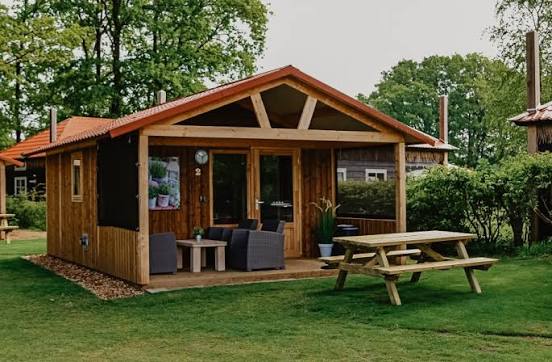
Mid-range
- Private bathrooms
- Comfortable rooms
- Excellent service
- Great food
- Strong wildlife locations
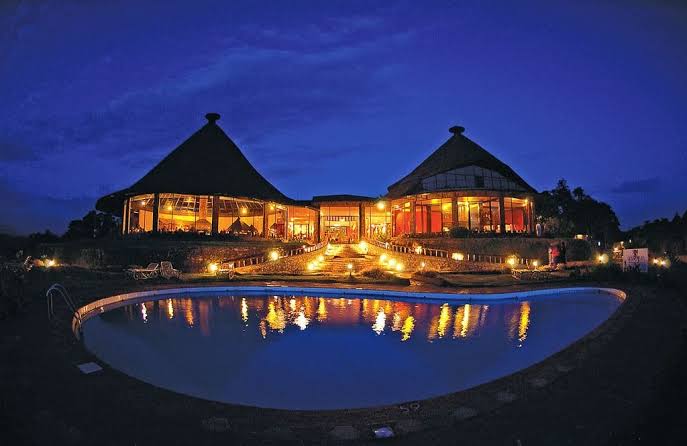
Luxury
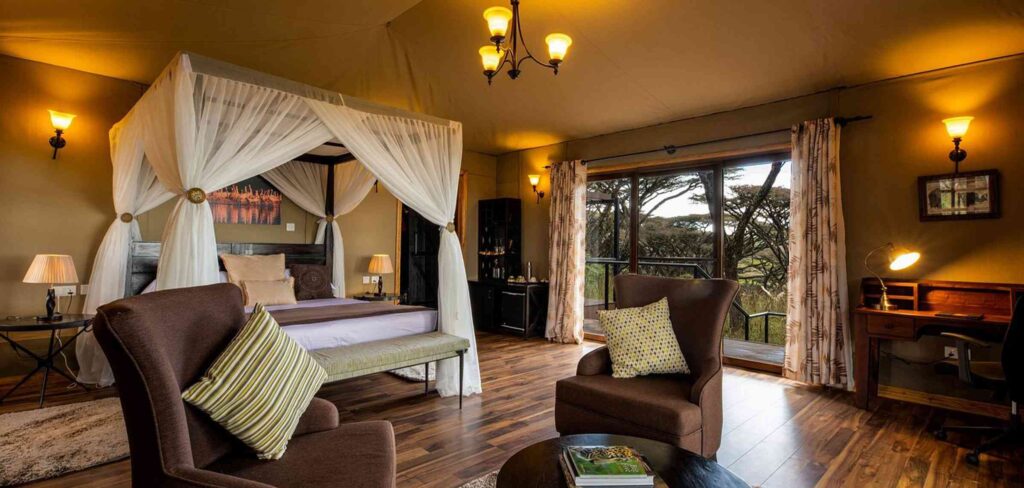
- Premium suites
- Exceptional dining
- Exclusive conservancies
- Personalized service
- Outstanding guiding
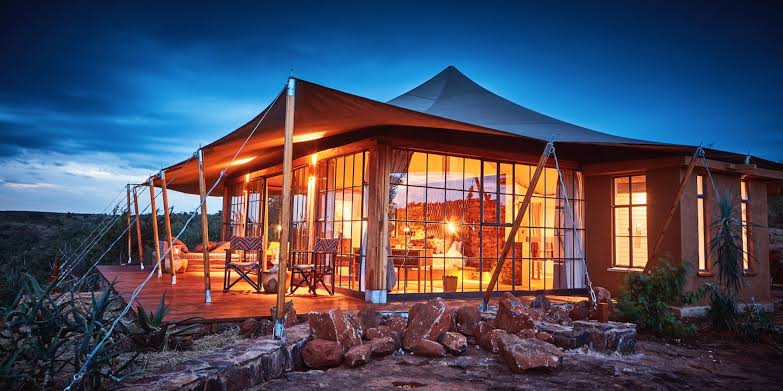
Luxury doesn’t simply mean larger rooms.
It often means fewer guests, better locations, and a more exclusive safari experience.
3. Private vs Shared Safari
Private safaris generally cost more because:
- Vehicle is exclusively yours.
- Flexible schedule.
- Personalized experience.
- Tailored itinerary.
Shared safaris reduce costs by distributing vehicle expenses across multiple travelers.
Families and couples often find private safaris provide better value despite the higher initial price.
4. Length of Safari
Many travelers assume shorter safaris are always cheaper.
Not necessarily.
A four-day safari with domestic flights and luxury accommodation may cost more than a seven-day road safari using comfortable mid-range lodges.
It’s more useful to consider overall value than simply counting days.
5. National Parks Visited
Some parks are more expensive than others because of:
- Conservation fees
- Popularity
- Wildlife density
- Infrastructure
- Accommodation demand
For example:
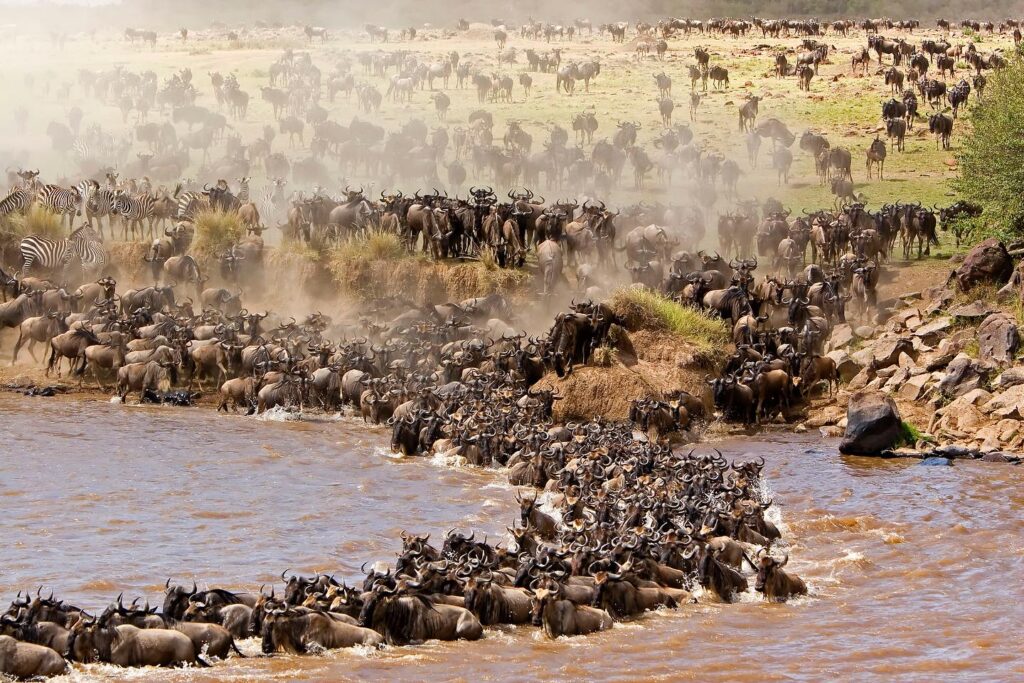
The Masai Mara often commands higher prices than less-visited parks due to its exceptional wildlife viewing and international reputation.
6. Road Safari vs Fly-in Safari
One of the biggest pricing decisions you’ll make is how you travel between destinations.
Road Safaris
Road safaris are generally more affordable and offer the chance to experience Kenya’s diverse landscapes along the way.
Advantages:
- Lower overall cost
- Scenic countryside drives
- Greater flexibility for shorter distances
- Suitable for travelers with more time
Things to consider:
- Longer transfer times
- More time spent on the road
- Can be tiring if visiting multiple distant parks
Road safaris are often excellent value for destinations such as:
- Amboseli National Park
- Lake Naivasha
- Lake Nakuru
- Tsavo East and West
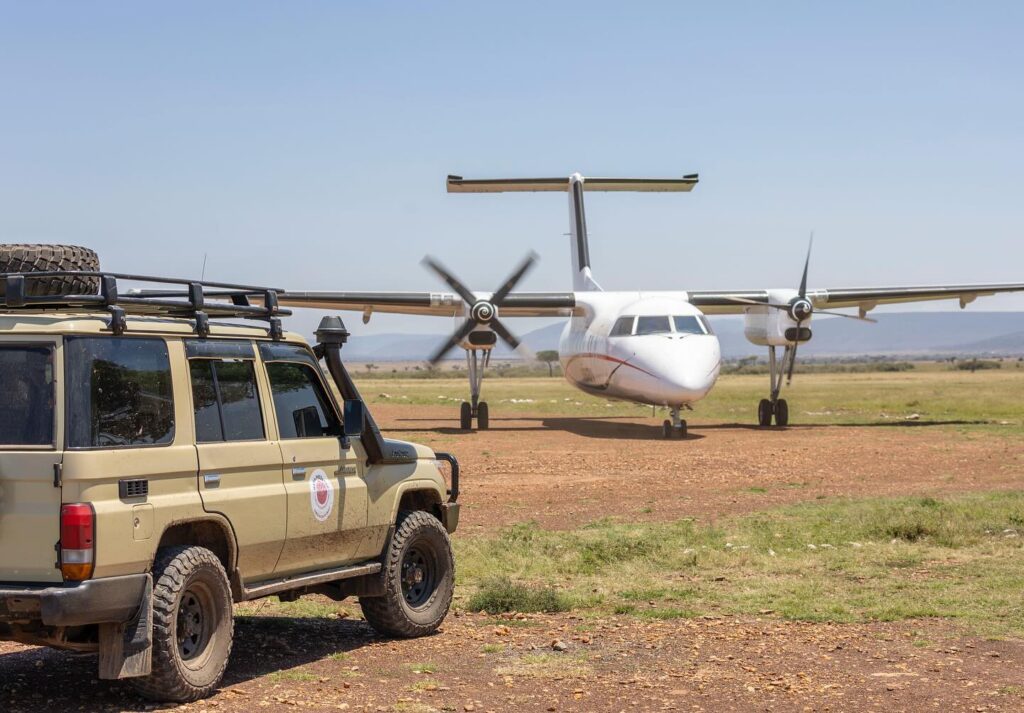
Fly-in Safaris
Fly-in safaris use scheduled or charter flights between safari destinations.
Although more expensive, they offer significant advantages.
Advantages:
- Save valuable vacation time
- Reach remote luxury camps easily
- Less travel fatigue
- More time on safari
Fly-in safaris are particularly popular for:
- Masai Mara
- Samburu
- Lewa Wildlife Conservancy
- Laikipia conservancies
For travelers with limited annual leave, paying more for domestic flights often delivers better value because you spend more time enjoying wildlife rather than driving.
7. Group Size
Safari prices are also influenced by the number of people traveling together.
Solo Travelers
Solo travelers generally pay the highest per-person rate because fixed costs such as the vehicle and guide are not shared.
Couples
Couples often enjoy good value on private safaris while benefiting from flexibility and privacy.
Families can often reduce the per-person cost by sharing:
- Accommodation
- Vehicle
- Guide
- Fuel costs
This makes private safaris surprisingly affordable for families compared with booking multiple individual places on group tours.
Sample Safari Budgets
The examples below are illustrative only. Exact prices vary depending on travel dates, accommodation availability, park fees, and itinerary design.
Budget Example
4 Days
- Shared safari
- Budget lodge
- Road transfers
Approximate budget:
US$800–1,200 per person (excluding international flights).
Mid-range Example
6 Days
- Private safari
- Comfortable lodges
- Multiple parks
Approximate budget:
US$2,000–3,800 per person.
Luxury Example
8 Days
- Fly-in safari
- Luxury camps
- Premium wildlife areas
Approximate budget:
US$6,000–12,000+ per person.
How to Save Money Without Reducing Quality
Saving money doesn’t always mean choosing the cheapest itinerary.
Instead, focus on maximizing value.
Travel During Shoulder Season
Traveling just before or after peak season can offer:
- Lower accommodation rates
- Fewer visitors
- Excellent wildlife viewing
- Better availability
Spend More Time in Fewer Parks
Many travelers try to visit too many destinations.
This increases:
- Fuel costs
- Driving time
- Accommodation changes
A well-designed itinerary with fewer parks often provides a richer wildlife experience while reducing unnecessary expenses.
Choose Mid-range Accommodation
Mid-range lodges frequently provide the best balance between:
- Comfort
- Service
- Wildlife access
- Value for money
Many travelers find the experience remarkably similar to luxury properties at a significantly lower cost.
Book Early
Booking several months in advance often provides:
- Better lodge selection
- Greater itinerary flexibility
- Access to promotional offers
- Lower flight prices
Peak periods such as the Great Migration and festive holidays sell out well in advance.
Work With a Local Safari Specialist
Local safari companies understand:
- Seasonal pricing
- Lodge availability
- Park logistics
- Driving distances
- Wildlife movements
They can often recommend better-value alternatives without compromising your overall experience.
Why the Cheapest Safari Isn’t Always the Best Value
Price alone doesn’t tell the full story.
A very low-priced safari may involve:
- Long daily drives
- Older vehicles
- Larger group sizes
- Lower-quality accommodations
- Less experienced guides
- Fewer game drives
Meanwhile, paying slightly more may provide:
- Better wildlife sightings
- More comfortable travel
- Superior guiding
- Better lodge locations
- Greater flexibility
- A much more enjoyable holiday
When comparing quotations, ask:
- What is included?
- Which parks are visited?
- How many game drives are included?
- Is the safari private?
- What type of vehicle is used?
- Are park fees included?
- Is drinking water provided?
- Are airport transfers included?
These questions help you compare value, not just price.
Is Kenya Better Value Than Tanzania?
This is one of the most common questions travelers ask.
Both destinations offer extraordinary wildlife, but Kenya often provides excellent value because of:
- A wide range of accommodation options
- Strong tourism infrastructure
- Competitive safari operators
- Efficient road connections
- Easy safari-and-beach combinations
For many first-time visitors, Kenya offers an outstanding balance between wildlife quality, accessibility, and overall travel costs.
Budget Beyond the Safari
When planning your total holiday budget, remember to include:
- International flights
- Travel insurance
- Visa or travel authorization fees (where applicable)
- Personal spending
- Tips
- Optional activities
- Beach extension (if applicable)
Creating a complete budget helps you avoid unexpected expenses and travel with confidence.
Frequently Asked Questions
How much should I budget for a Kenya safari?
For most international travelers, a realistic budget is US$250–700 per person per day, depending on the season, accommodation standard, transport, and whether the safari is private or shared.
Budget safaris can cost less, while luxury fly-in safaris may exceed US$1,500 per person per day.
What is included in most Kenya safari packages?
Most quality safari packages include:
- Accommodation
- Meals as per itinerary
- Park entry fees
- Professional driver-guide
- Safari vehicle
- Game drives
- Airport transfers
- Drinking water during game drives
Always confirm the inclusions before booking, as they vary between operators.
What expenses are usually not included?
Common exclusions include:
- International flights
- Travel insurance
- Kenya travel authorization (where applicable)
- Alcoholic beverages
- Optional excursions
- Hot air balloon safaris
- Tips
- Personal shopping
- Laundry at some lodges
Planning for these additional expenses helps you avoid unexpected costs.

Is a private safari worth the extra cost?
For many couples, families, and small groups, yes.
A private safari offers:
- Flexible schedules
- Personalized guiding
- Exclusive vehicle use
- Greater comfort
- Freedom to spend more time at wildlife sightings
Many travelers consider it one of the best upgrades they make.
Can I enjoy Kenya on a moderate budget?
Absolutely.
Kenya offers excellent mid-range safari options with:
- Comfortable lodges
- Experienced guides
- Outstanding wildlife viewing
- Excellent service
For many travelers, mid-range safaris provide the best balance between comfort and value.
Why do safari prices increase during the Great Migration?
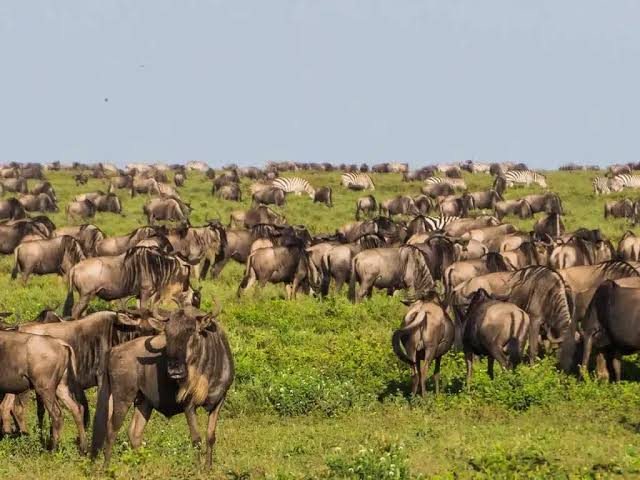
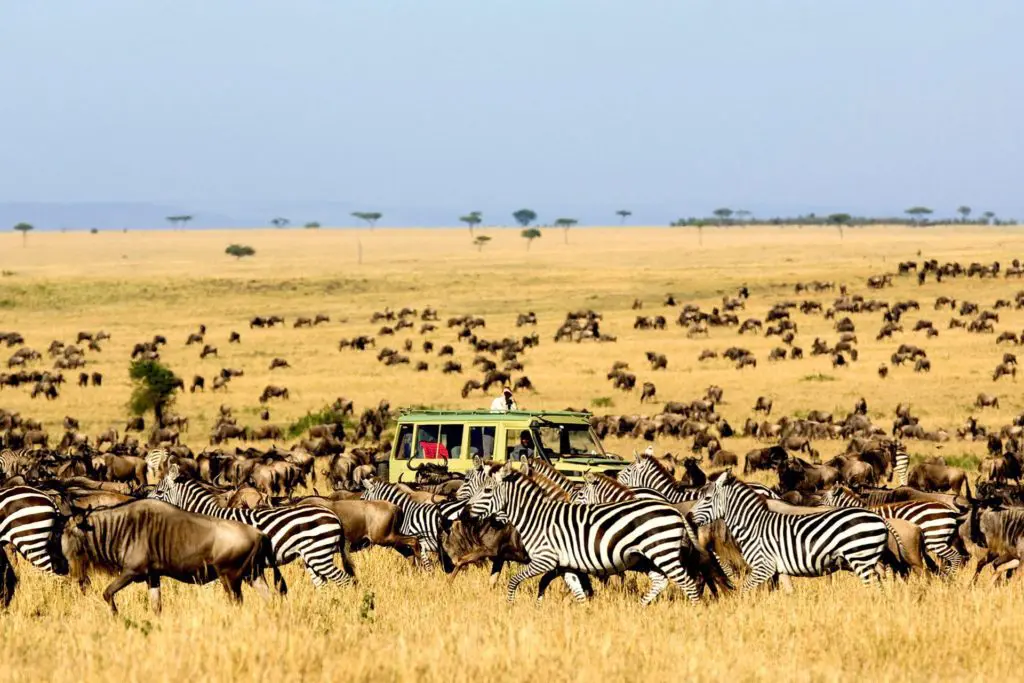
The Great Migration attracts visitors from around the world, increasing demand for accommodation in and around the Masai Mara.
Higher demand leads to:
- Increased lodge rates
- Limited availability
- Earlier bookings
Traveling outside peak migration months can often provide excellent wildlife experiences at lower prices.
Can I reduce costs by staying longer?
Sometimes.
Longer itineraries may benefit from:
- Better accommodation rates
- Reduced transport costs per day
- More efficient routing
A well-planned 7-day safari can often provide better overall value than trying to squeeze several parks into a rushed 4-day trip.
Are park fees included in safari prices?
Many professionally organized safari packages include park entry fees, but not all do.
Always ask your operator whether park fees are:
- Included in the quoted price
- Charged separately
- Subject to seasonal changes
Park fees form a significant portion of safari operating costs.
Is Kenya more affordable than other safari destinations?
In many cases, yes.
Kenya offers a broad range of safari experiences, from budget camping tours to ultra-luxury fly-in safaris. This diversity allows travelers to choose an itinerary that matches their budget without sacrificing memorable wildlife experiences.
Combined with excellent tourism infrastructure and direct international flight connections, Kenya often provides outstanding overall value.
When should I book to secure the best prices?
For travel during peak periods such as the Great Migration or Christmas holidays, booking 6–12 months in advance is recommended.
Early booking often provides:
- Better accommodation choices
- More itinerary flexibility
- Competitive pricing
- Greater availability of experienced guides
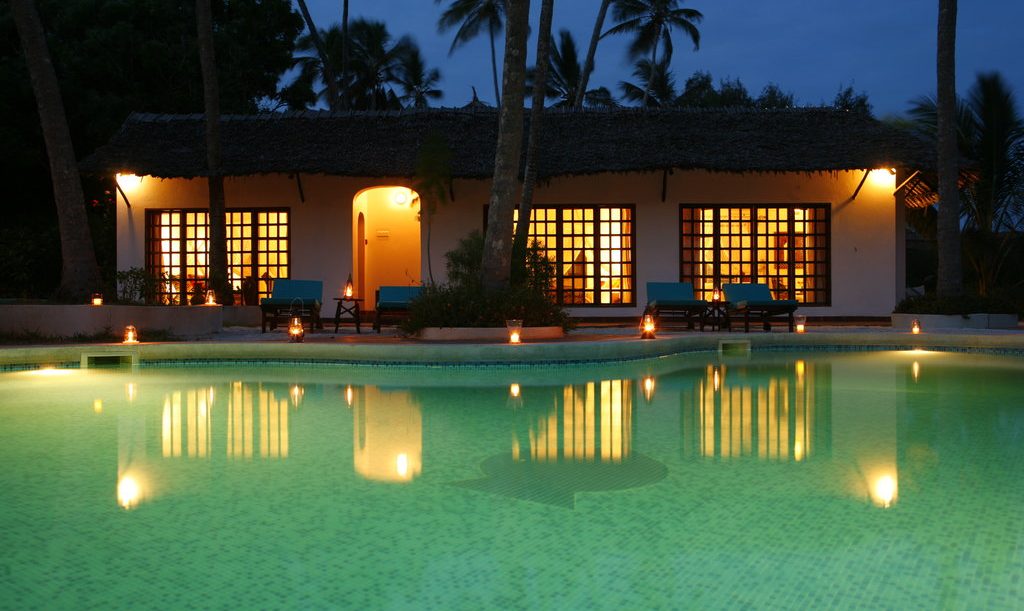
Expert Advice: Focus on Value, Not Just Price
The most successful Kenya safaris aren’t always the cheapest or the most expensive—they’re the ones that are designed around your priorities.
If your goal is exceptional wildlife viewing, investing in a knowledgeable guide and well-located accommodation often delivers far greater value than simply choosing the lowest-priced itinerary. Likewise, if you have limited vacation time, a fly-in safari may be a smarter investment because it maximizes your time in the bush.
At SK Adventures, we believe transparency is essential. We explain what is included, why certain parks or lodges cost more, and where it makes sense to save money without compromising your overall experience. Our aim is to help you make informed decisions, not simply sell the most expensive package.
Key Takeaways
- Kenya safari costs vary based on travel season, accommodation, transport, group size, and itinerary design.
- Most international travelers should budget US$250–700 per person per day for a quality mid-range safari.
- The cheapest safari isn’t always the best value; experienced guides, well-located lodges, and realistic itineraries often justify a higher price.
- Park fees, accommodation standards, and whether you choose a road or fly-in safari significantly influence the overall cost.
- Booking early and traveling during shoulder seasons can reduce costs while still delivering excellent wildlife experiences.
- Mid-range safaris often provide the best balance between comfort, service, and affordability.
- Always compare safari quotations based on what’s included, not just the headline price.
- Working with a trusted local safari specialist helps you maximize value and avoid costly planning mistakes.
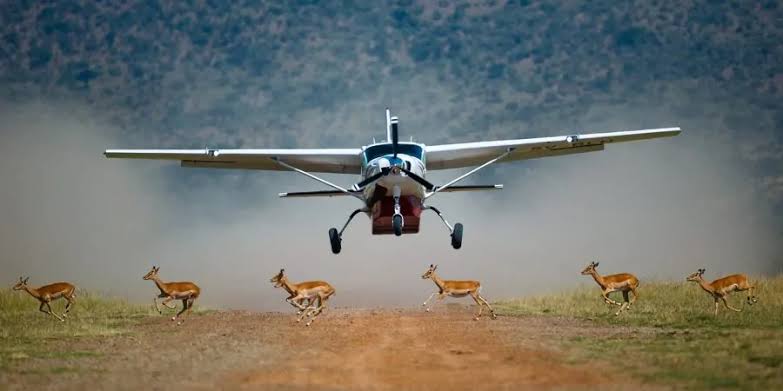
Ready to Plan a Kenya Safari That Fits Your Budget?
Every traveler has a different idea of the perfect safari. Some prioritize seeing the Big Five, others dream of witnessing the Great Migration, while many families and couples want a comfortable, well-paced journey that offers exceptional value.
At SK Adventures, we take the time to understand your travel goals before recommending an itinerary. Whether you’re planning a budget-friendly adventure, a luxury fly-in safari, or a tailor-made safari and beach holiday, we’ll help you find the best option for your budget—without compromising on quality or experience.
Request Your Personalized Kenya Safari Quote
Contact SK Adventures today for a personalized Kenya safari quotation. We’ll explain the costs clearly, recommend the best itinerary for your budget, and help you create a safari that delivers unforgettable wildlife experiences, outstanding value, and complete peace of mind from the moment you book.