
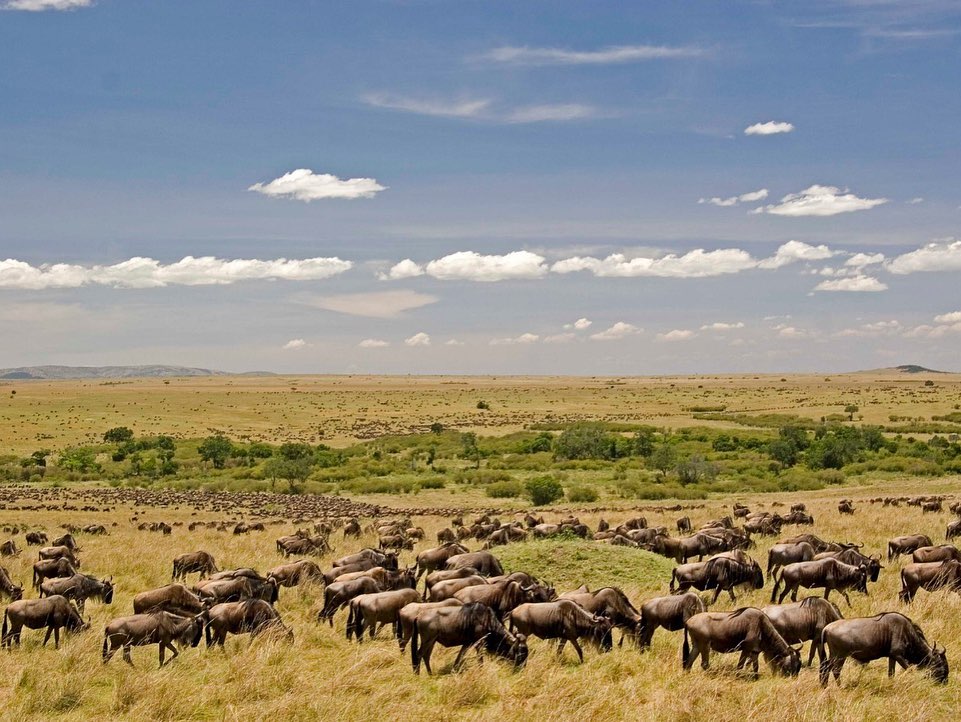
The Great Migration is one of the world’s greatest wildlife spectacles, involving more than 1.5 million wildebeest, hundreds of thousands of zebras, and gazelles moving between Tanzania’s Serengeti and Kenya’s Masai Mara in search of fresh grazing.
The best time to witness the migration in Kenya is generally July through October, when massive herds arrive in the Masai Mara and dramatic river crossings often occur. However, timing varies each year depending on rainfall, making itinerary planning and expert local guidance essential.
Direct Answer
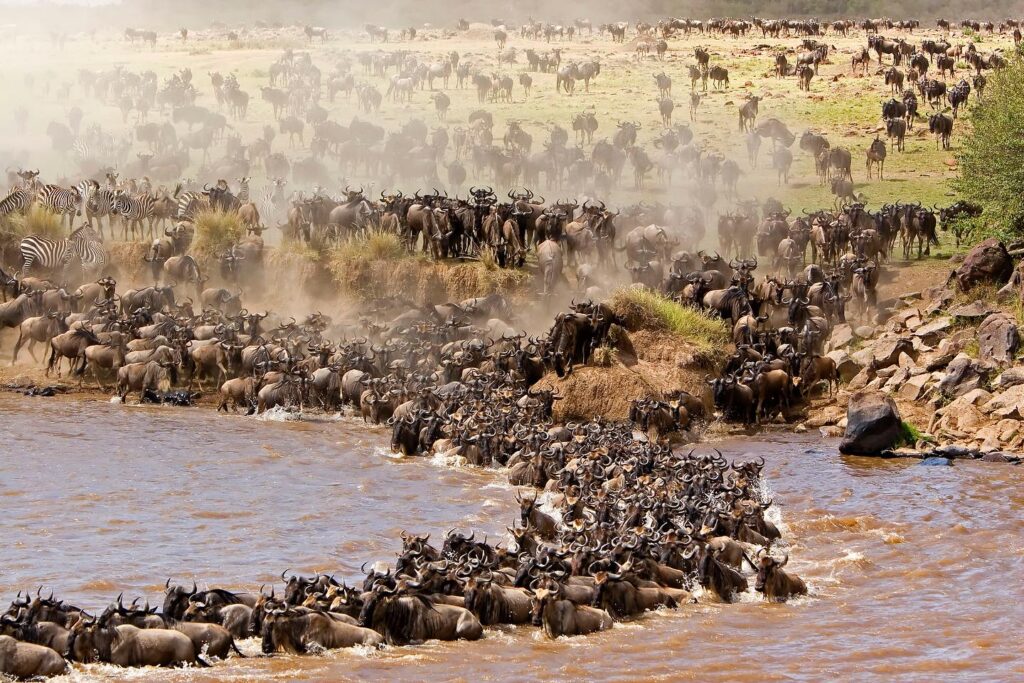
Yes, Kenya’s Masai Mara is one of the best places on Earth to witness the Great Migration.
Between approximately July and October, enormous herds of wildebeest and zebras cross into the Masai Mara from Tanzania, creating extraordinary wildlife encounters. During this period, visitors may witness dramatic river crossings, predator interactions, and some of Africa’s highest concentrations of wildlife.
Although river crossings cannot be guaranteed on a specific day, choosing the right travel dates, staying long enough, and working with experienced local guides significantly increases your chances of witnessing this incredible natural event.
Introduction
Few wildlife experiences compare to standing beside the Mara River as thousands of wildebeest gather at the riverbank, hesitating before making one of nature’s most dramatic journeys.
Moments later, the first animals leap into the water.
Within seconds, hundreds follow.
Dust fills the air.
Hippos surface nearby.
Crocodiles wait beneath the water.
Predators patrol the opposite bank.
This is the Great Migration—one of the most extraordinary wildlife spectacles anywhere in the world.
For many travelers, witnessing the migration is the dream that inspires an African safari. But planning a successful migration safari requires more than simply visiting Kenya during the “migration season.”
River crossings happen naturally, wildlife movements depend on rainfall, and different areas of the Masai Mara experience different levels of activity throughout the season.
This guide explains how the migration works, when to visit, where to stay, and how to maximize your chances of experiencing this unforgettable event.
If you’re beginning your Kenya safari planning journey, start with our Kenya Safari Packages for UAE Travelers, where you’ll also find practical advice covering visas, flights, safety, travel seasons, budgeting, and safari planning.
What Is the Great Migration?
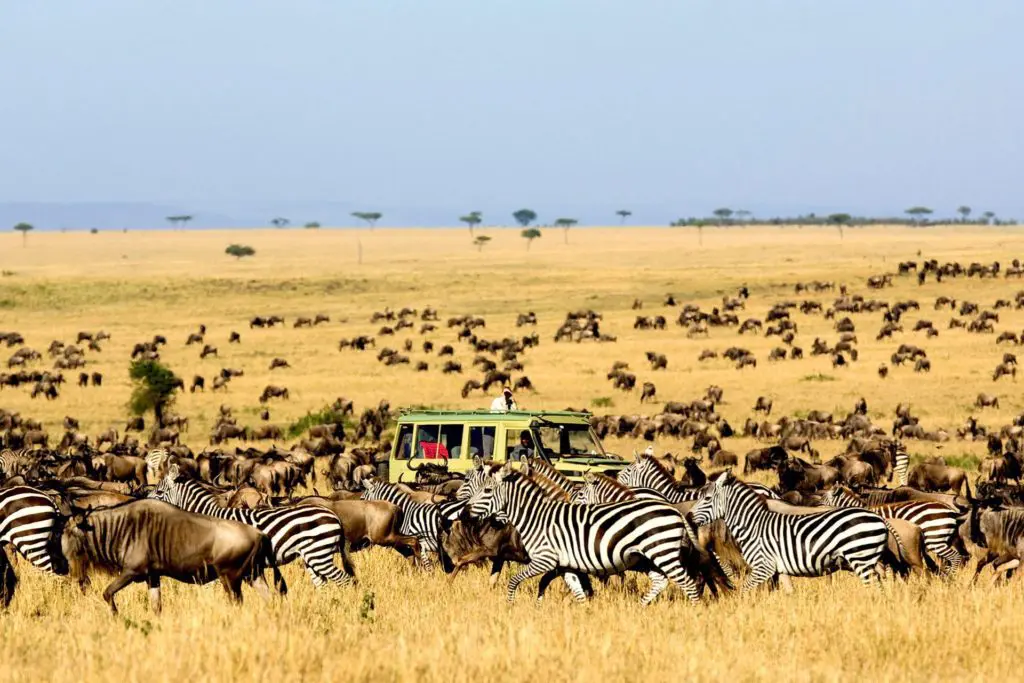
The Great Migration is the continuous annual movement of enormous herds of:
- Wildebeest
- Zebras
- Thomson’s gazelles
These animals travel in a circular pattern between Tanzania’s Serengeti ecosystem and Kenya’s Masai Mara.
The migration is driven almost entirely by rainfall.
As fresh grass grows in different regions, the herds follow the food supply.
Unlike what many people imagine, the migration is not one single journey.
It is an ongoing natural cycle that continues throughout the year.
Why Is the Great Migration So Famous?
The migration is recognized as one of the Seven Natural Wonders of Africa because of its extraordinary scale.
Each year, approximately:
- 1.5 million wildebeest
- 200,000 zebras
- Hundreds of thousands of gazelles
move across the Serengeti-Mara ecosystem.
Along the way they face:
- Lions
- Leopards
- Cheetahs
- Hyenas
- Nile crocodiles
These predator-prey interactions create some of the world’s most spectacular wildlife viewing opportunities.
Why Kenya Offers One of the Best Migration Experiences
Although the migration spends part of the year in Tanzania, Kenya offers some of the most dramatic viewing opportunities.
Why?
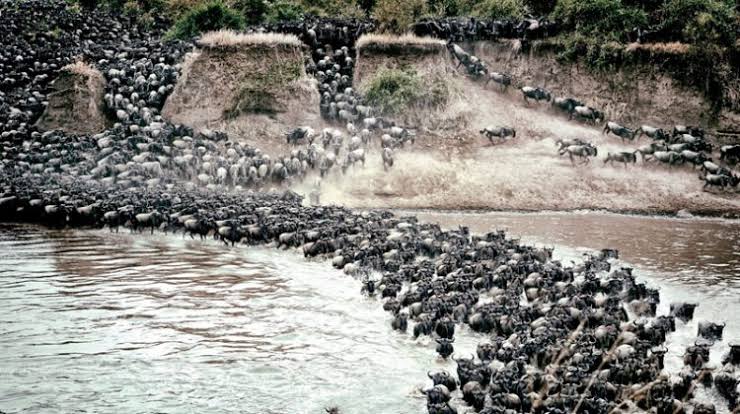
Because many of the famous Mara River crossings occur within the Masai Mara ecosystem.
These crossings often become the defining moments of a safari.
Visitors may spend hours watching herds gather before suddenly witnessing thousands of animals crossing together.
These unpredictable moments make every migration safari unique.
Understanding the Annual Migration Cycle
One of the biggest misconceptions is that the migration only happens in Kenya.
In reality, the animals move continuously throughout the year.
Understanding this cycle helps travelers choose the best travel period.
January to March
Most herds remain in the southern Serengeti.
This is calving season.
Thousands of young wildebeest are born within a short period, attracting numerous predators.
Although this stage occurs mainly in Tanzania, it remains an important part of the migration cycle.
April to June
As rainfall patterns change, the herds gradually begin moving north.
Long columns of wildebeest stretch across the plains as they search for fresh grazing.
July to October
This is Kenya’s famous migration season.
The herds enter the Masai Mara, where visitors may experience:
- Massive wildlife concentrations.
- River crossings.
- Lion activity.
- Crocodile encounters.
- Exceptional photography.
This is the period most safari travelers choose.
November to December
As rainfall returns to Tanzania, the herds gradually move south again.
Although numbers begin to decrease in Kenya, wildlife viewing in the Masai Mara remains excellent.
Where Can You See the Great Migration in Kenya?
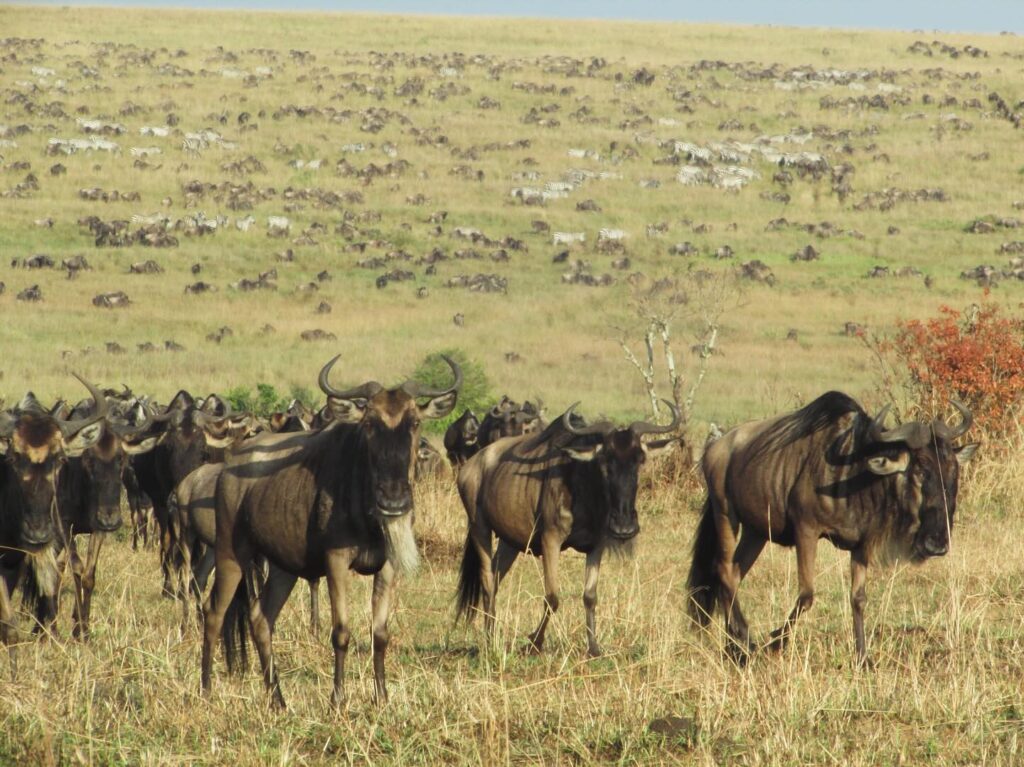
The Masai Mara is Kenya’s premier migration destination.
Why?
Because it offers:
- Outstanding wildlife density.
- Spectacular open landscapes.
- Excellent predator sightings.
- Famous Mara River crossings.
- World-class safari lodges.
- Experienced professional guides.
For first-time visitors, the Masai Mara provides the best opportunity to experience the migration.
Mara Conservancies
Private conservancies surrounding the Masai Mara offer a more exclusive migration experience.
Benefits include:
- Fewer safari vehicles.
- Private game drives.
- Night drives (in many conservancies).
- Walking safaris.
- Luxury accommodation.
For travelers seeking privacy and premium wildlife experiences, conservancies often provide outstanding value.
Why Staying Longer Matters
One of the biggest planning mistakes is booking only one or two nights in the Masai Mara.
River crossings are unpredictable.
You may witness one within hours of arrival—or wait several days.
Staying three to four nights significantly improves your chances of experiencing a crossing while also allowing time to enjoy exceptional game viewing throughout the reserve.
Best Time to See the River Crossings
For many travelers, the dramatic Mara River crossings are the highlight of the Great Migration.
These are the unforgettable moments shown in wildlife documentaries—thousands of wildebeest plunging into crocodile-filled rivers while predators wait on the opposite bank.
However, it is important to understand one key fact:
River crossings cannot be guaranteed.
Unlike scheduled events, the migration is driven entirely by nature. Rainfall, grazing conditions, river levels, and animal behavior all influence when and where crossings occur.
Generally, your best chances are:
- Late July: First herds begin entering Kenya.
- August: Peak migration activity with frequent river crossings.
- September: Excellent wildlife viewing and continued crossings.
- October: Herds remain in the Masai Mara before gradually returning south.
Instead of planning around a single day, experienced safari consultants recommend spending at least three or four nights in the Masai Mara during migration season.
Choosing the Right Area of the Masai Mara
Many visitors assume every lodge offers the same migration experience.
In reality, location matters enormously.
Lodges positioned near the Mara River or within key migration corridors reduce driving time and improve your opportunities to reach active crossings quickly.
When selecting accommodation, consider:
- Proximity to the Mara River.
- Access to major crossing points.
- Access to private conservancies.
- Quality of guiding.
- Vehicle standards.
- Flexibility of game drives.
A lodge with exceptional guiding in the right location often delivers a better migration experience than a more expensive property farther away.
Luxury vs Standard Great Migration Safaris
The migration can be enjoyed on a wide range of safari styles.
Standard Migration Safari
Suitable for travelers seeking excellent value.
Typically includes:
- Comfortable lodges.
- Shared game drives.
- Scheduled departures.
- Road transfers.
- Excellent wildlife viewing.
Luxury Migration Safari
Luxury travelers enjoy additional benefits such as:
- Boutique tented camps.
- Private safari vehicles.
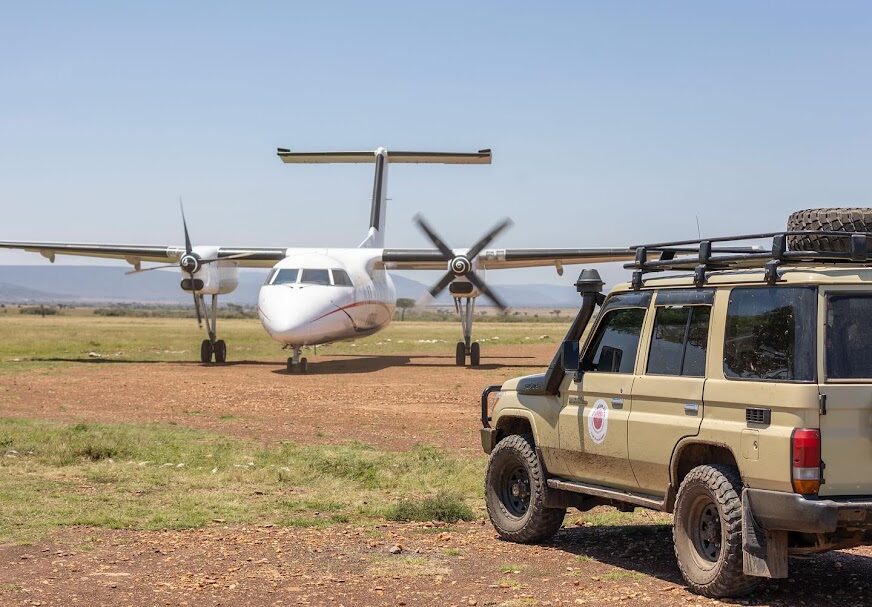
- Fly-in transfers.
- Flexible game drives.
- Personalized guiding.
- Exclusive conservancies.
- Premium dining.
- Spa and wellness facilities.
These advantages do not guarantee more wildlife, but they often provide a more relaxed and personalized safari experience.
Why Private Guides Make a Difference
Many first-time visitors underestimate the importance of their guide.
During migration season, experienced guides continuously monitor wildlife movements and communicate with other professional guides across the reserve.
They know:
- Recent crossing locations.
- Predator movements.
- Herd behavior.
- Alternative wildlife areas when crossings are quiet.
A knowledgeable guide often makes the difference between simply seeing wildlife and truly understanding the migration.
Photography Tips for the Great Migration
The migration provides some of Africa’s finest wildlife photography opportunities.
To maximize your experience:
Stay Patient
River crossings can take hours to develop.
The animals often gather for long periods before finally committing to the crossing.
Patience is rewarded.
Use Early Morning Game Drives
Morning light provides:
- Softer colors.
- Active wildlife.
- Better photography.
- Cooler temperatures.
Focus Beyond the Crossing
Many remarkable migration photographs don’t involve river crossings.
Look for:
- Predator interactions.
- Dust clouds.
- Endless wildlife herds.
- Dramatic landscapes.
- Calves following their mothers.
These images often tell a richer story than the crossing itself.
Respect Wildlife
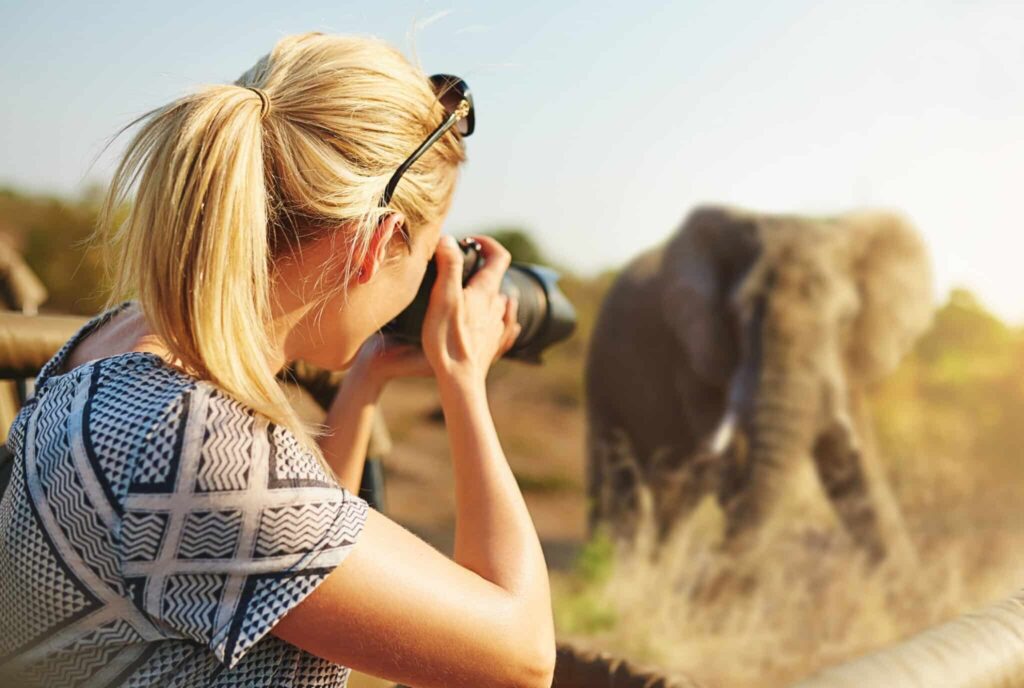
Responsible photography always comes before getting the perfect picture.
Experienced guides position vehicles safely while ensuring minimal disturbance to wildlife.
Common Great Migration Planning Mistakes
Many visitors unintentionally reduce their chances of an exceptional migration safari.
Expecting Guaranteed River Crossings
Nature follows its own timetable.
No operator can promise a crossing on a specific day.
Instead, choose experienced local planners who understand seasonal wildlife movements.
Booking Too Late
Migration season is Kenya’s busiest safari period.
The best camps often sell out 6–12 months in advance, particularly for August and September.
Staying Too Few Nights
One or two nights rarely provide enough flexibility.
Longer stays dramatically improve your opportunities.
Choosing the Cheapest Lodge
Accommodation location is often more important than price.
Staying close to key migration routes saves valuable game-viewing time.
Ignoring Other Wildlife
Even when river crossings are quiet, the Masai Mara remains one of Africa’s finest safari destinations.
Visitors regularly enjoy:
- Lions.
- Leopards.
- Cheetahs.
- Elephants.
- Buffalo.
- Hyenas.
- Giraffes.
- Hundreds of bird species.
A migration safari offers far more than just river crossings.
Frequently Asked Questions
What is the Great Migration?
The Great Migration is the world’s largest annual land-animal migration. More than 1.5 million wildebeest, accompanied by hundreds of thousands of zebras and gazelles, travel through the Serengeti-Mara ecosystem in search of fresh grazing, following seasonal rainfall patterns.
Unlike a one-time event, it is a continuous cycle that takes place throughout the year.
When is the best time to see the Great Migration in Kenya?
The best time to experience the migration in Kenya is generally between July and October.
During these months:
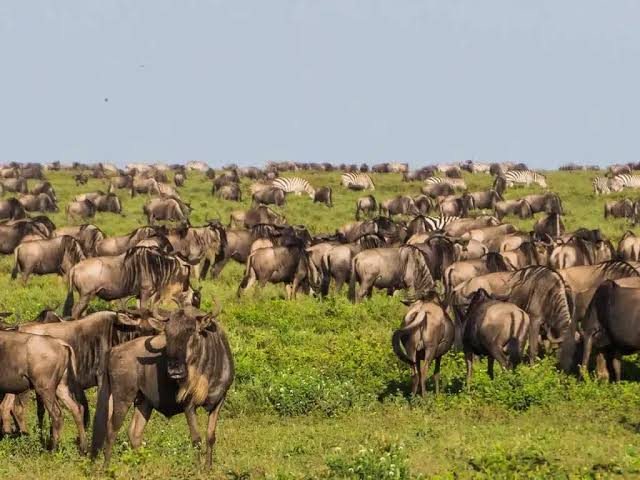
- Large herds arrive in the Masai Mara.
- Wildlife densities reach their highest levels.
- Predator activity increases.
- Visitors have the best chance of witnessing famous Mara River crossings.
Because migration timing depends on rainfall, exact dates vary slightly from year to year.
Can river crossings be guaranteed?
No.
This is one of the biggest misconceptions among first-time safari travelers.
River crossings occur naturally, and no safari company can guarantee that one will happen during your visit.
The best way to improve your chances is to:
- Travel during peak migration months.
- Stay at least three or four nights.
- Use experienced local guides.
- Choose accommodation near key crossing areas.
How many days should I spend in the Masai Mara during migration season?
We generally recommend 3–4 nights.
This allows enough flexibility to:
- Search different parts of the reserve.
- Wait for crossing activity.
- Enjoy outstanding wildlife viewing even if crossings are temporarily quiet.
- Experience sunrise and sunset game drives.
For travelers combining multiple parks, a 7–10 day Kenya safari offers an ideal balance.
Is the Great Migration suitable for families?
Yes.
Families often find the migration fascinating because it combines incredible wildlife viewing with educational experiences about animal behavior, ecosystems, and conservation.
Many safari lodges offer family-friendly accommodation, flexible activities, and experienced guides who engage younger travelers.
Is a luxury migration safari worth it?
For many travelers, yes.
Luxury migration safaris typically include:
- Smaller camps.
- Exceptional guiding.
- Private vehicles.
- Fly-in transfers.
- Flexible schedules.
- Prime locations near migration routes.
While luxury does not guarantee more wildlife sightings, it often provides a more comfortable and personalized safari experience.
Can I combine the Great Migration with the Big Five?
Absolutely.
In fact, the Masai Mara is one of Africa’s best destinations for combining both experiences.
During migration season, visitors frequently encounter:
- Lions
- Leopards
- Elephants
- Buffalo
- Rhinos (in nearby conservancies)
This makes it possible to enjoy both the Great Migration and the Big Five on a single well-planned itinerary.
Is the Great Migration only about river crossings?
No.
River crossings receive the most attention, but they represent only one part of the migration.
Throughout the season you’ll also experience:
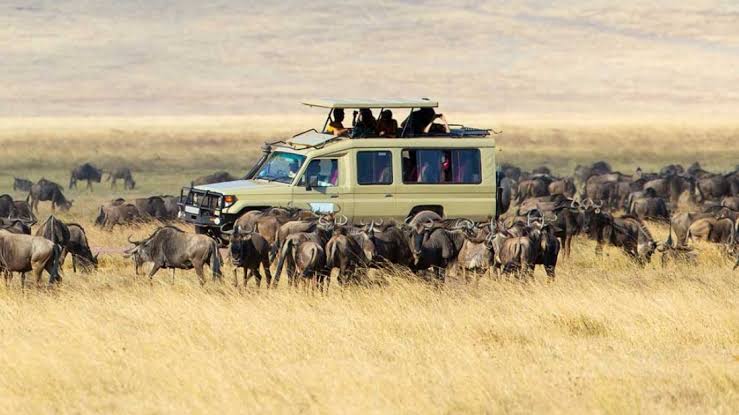
- Endless wildlife herds stretching across the plains.
- Predator hunts.
- Lion prides following migrating animals.
- Cheetahs hunting gazelles.
- Hyenas competing for food.
- Elephant encounters.
- Spectacular African landscapes.
- Some of the finest wildlife photography opportunities anywhere in the world.
Many experienced safari travelers say these quieter moments become their favorite memories.
Why the Great Migration Is More Than a Wildlife Event
The Great Migration is often described as a bucket-list experience, but reducing it to a single river crossing overlooks what makes it truly extraordinary.
The migration is a living demonstration of how nature functions on a grand scale.
It reveals:
- The relationship between rainfall and grazing.
- Predator-prey interactions.
- Animal survival strategies.
- Ecosystem balance.
- The importance of conservation across international borders.
Watching hundreds of thousands of animals move instinctively across the Serengeti-Mara ecosystem is a reminder that some of the world’s last great wildernesses still exist—and that protecting them benefits future generations.
For travelers, the migration is not simply about checking off another attraction. It is about witnessing one of the planet’s greatest natural spectacles in a way that is both thrilling and deeply humbling.
At SK Adventures, we use our local Kenya knowledge to design migration safaris that balance exceptional wildlife viewing with realistic expectations. Rather than promising guaranteed river crossings, we focus on creating itineraries that maximize your opportunities while ensuring you experience the very best of the Masai Mara, regardless of what nature decides on any given day.
Key Takeaways
- The Great Migration is one of the world’s most spectacular wildlife events, with over 1.5 million wildebeest, zebras, and gazelles moving through the Serengeti-Mara ecosystem each year.
- July to October is generally the best period to witness the migration in Kenya, especially in the Masai Mara National Reserve.
- River crossings cannot be guaranteed, but staying 3–4 nights, choosing the right lodge location, and traveling with experienced local guides significantly improve your chances.
- The migration offers much more than river crossings, including exceptional predator sightings, breathtaking landscapes, and unforgettable wildlife photography opportunities.
- Combining the Masai Mara with destinations such as Lake Nakuru, Amboseli, or Ol Pejeta Conservancy creates a more complete Kenya safari that includes both the Great Migration and the Big Five.
- Booking early—particularly for August and September—provides the best choice of camps and guides during Kenya’s busiest safari season.
- Working with a knowledgeable local safari specialist helps you plan realistic expectations, choose the right travel dates, and maximize your overall safari experience.
Ready to Experience the Great Migration?
Watching thousands of wildebeest thunder across the plains, witnessing a dramatic Mara River crossing, or observing lions following the migration are moments that remain with travelers for a lifetime.
At SK Adventures, we specialize in designing personalized Great Migration safaris that combine expert local knowledge with carefully selected camps, experienced guides, and thoughtfully planned itineraries. Whether you’re seeking a luxury fly-in safari, a family adventure, a romantic honeymoon, or your first African wildlife journey, we’ll help you experience the migration at its very best.
Request Your Personalized Great Migration Safari Quote
Contact SK Adventures today for a personalized safari quote. Our local safari specialists will recommend the ideal travel dates, the best Masai Mara camps, and a tailor-made itinerary designed to maximize your chances of witnessing the Great Migration while enjoying an unforgettable Kenya safari experience.