
Kenya is a year-round safari destination, but the best time to visit depends on what you want to experience. The dry seasons (June to October and January to February) generally provide the best wildlife viewing, while July to October is famous for the Great Migration in the Masai Mara. The green seasons bring fewer crowds, lush landscapes, excellent birdwatching, and attractive accommodation offers.
For most travelers from the UAE, there is no single “best” month to visit Kenya. The ideal travel time depends on your interests, budget, preferred weather, and the type of safari you want.
Direct Answer
The best time to visit Kenya is during the dry seasons, particularly from June to October, when wildlife is easier to spot around water sources and vegetation is less dense. This period also coincides with the famous Great Migration in the Masai Mara, making it one of the most popular times for safari travel.
However, Kenya offers excellent wildlife viewing throughout the year. Travelers interested in birdwatching, photography, fewer crowds, or better value may find the green seasons equally rewarding. Choosing the right travel dates should be based on your personal travel goals rather than simply following peak tourism periods.
Introduction
One of the most common questions travelers ask is:
“When is the best time to visit Kenya?”
The answer is more nuanced than simply naming a month. Kenya’s wildlife, landscapes, weather, and safari experiences change throughout the year, meaning different seasons suit different travelers.
Some visitors dream of witnessing the Great Migration. Others prioritize photography, family holidays, luxury escapes, birdwatching, or combining a safari with a beach holiday. Understanding Kenya’s seasons allows you to choose travel dates that match your expectations.
This guide explains what each season offers and helps you decide when to visit based on the experience you want rather than following general travel advice.
If you’re planning your safari from Dubai or elsewhere in the UAE, begin with our Kenya Safari Packages for UAE Travelers, to explore itineraries designed around different travel seasons.
Is There a Bad Time to Visit Kenya?
The simple answer is no.
Unlike many destinations that have distinct “off seasons,” Kenya offers rewarding experiences throughout the year. Wildlife remains active in every season, national parks remain open, and visitors can enjoy excellent safaris regardless of the month.
The main differences involve rainfall, vegetation, visitor numbers, and specific wildlife events rather than dramatic changes in safari quality.
Rather than asking whether a month is “good” or “bad,” it is more useful to ask:
Which season best matches the experience you’re looking for?
Understanding Kenya’s Travel Seasons
Kenya generally experiences four travel periods that influence safari conditions.
Dry Season (June to October)
This is Kenya’s most popular safari season.
Benefits include:
- Excellent wildlife viewing.
- Comfortable daytime temperatures.
- Less vegetation.
- Easier animal sightings.
- Great Migration in the Masai Mara.
- Ideal photography conditions.
Because of these advantages, this is also the busiest travel period, so booking early is recommended.
Short Dry Season (January to February)
January and February offer another excellent period for safaris.
During these months, many parks experience warm, dry conditions that make wildlife relatively easy to locate. Visitor numbers are often lower than during the Great Migration season, creating a more relaxed safari experience.
These months are particularly popular among photographers because of the clear skies and beautiful natural light.
Long Rains (March to May)
The long rainy season transforms Kenya into a lush, green landscape.
Although rainfall can affect some road conditions, this season offers several advantages:
- Fewer tourists.
- Beautiful green scenery.
- Lower accommodation rates.
- Excellent birdwatching.
- Dramatic photography opportunities.
Many luxury lodges also offer attractive seasonal promotions during this period.
Short Rains (November to December)
Rain during this period is usually lighter and more predictable than during the long rains.
Wildlife remains excellent, landscapes become greener, and visitor numbers are moderate compared with peak season.
This period often appeals to travelers seeking quieter parks while still enjoying very rewarding safari experiences.
Best Time for Wildlife Safaris
If your primary goal is seeing wildlife, the dry seasons are generally the best choice.
During dry weather:
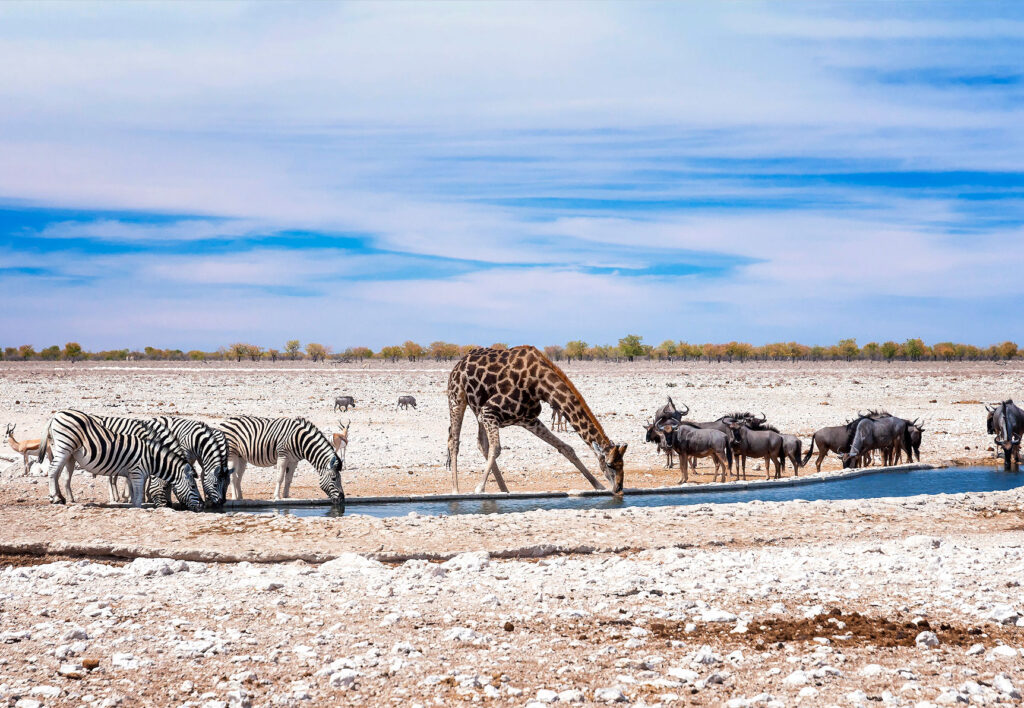
- Animals gather around rivers and waterholes.
- Vegetation becomes less dense.
- Wildlife is easier to photograph.
- Game drives often cover greater distances without weather-related challenges.
This does not mean wildlife disappears during the rainy seasons. Kenya’s national parks support resident wildlife throughout the year, meaning visitors can enjoy exceptional sightings regardless of when they travel.
Best Time to See the Great Migration
The Great Migration is one of the world’s most spectacular wildlife events.
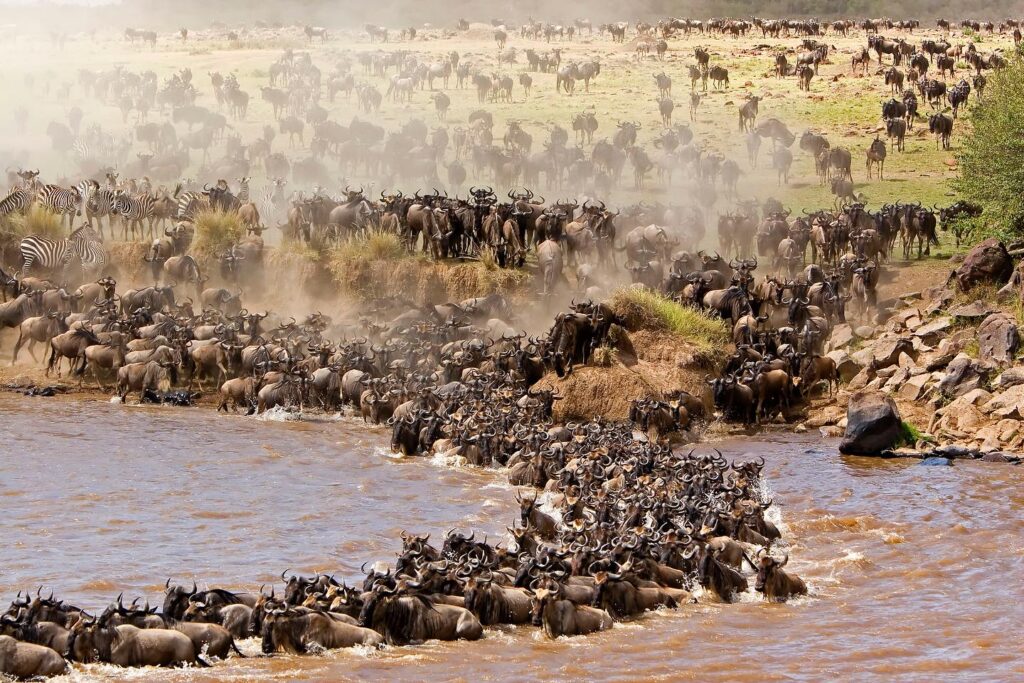
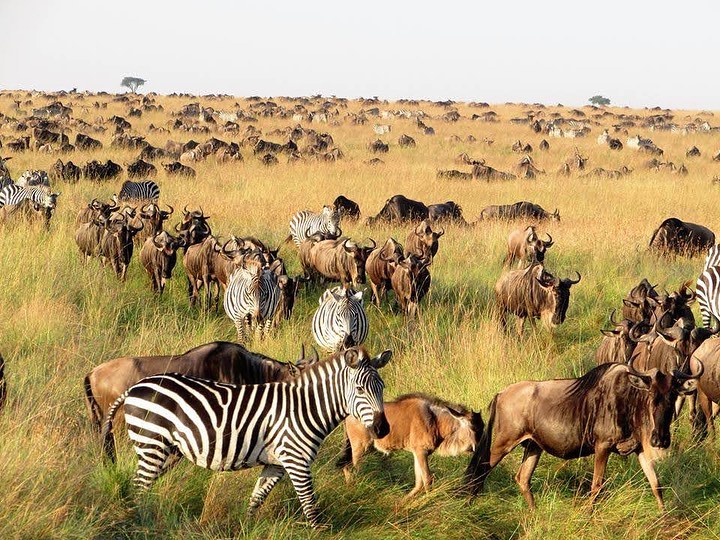
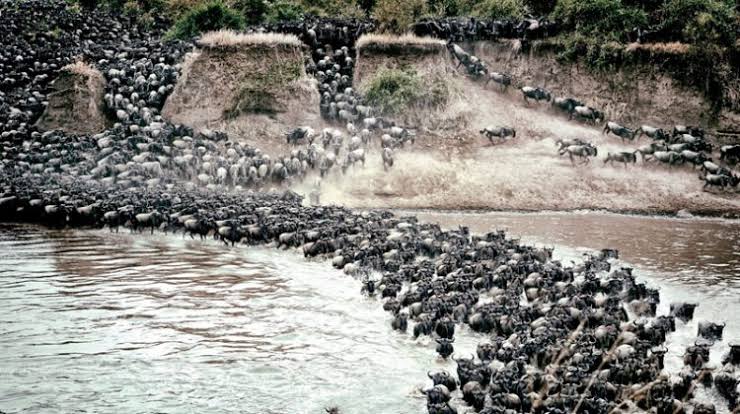
Although the migration moves continuously throughout the Serengeti-Mara ecosystem, Kenya’s Masai Mara is particularly famous for dramatic river crossings that typically occur between July and October.
During this period, visitors may witness hundreds or even thousands of wildebeest crossing crocodile-filled rivers while predators wait nearby. These extraordinary wildlife encounters make this one of Africa’s most sought-after safari experiences.
Because migration timing depends on rainfall rather than fixed calendar dates, no tour operator can guarantee exact sightings. However, July through October generally provides the best opportunity to experience the migration within Kenya.
Best Time for Birdwatching
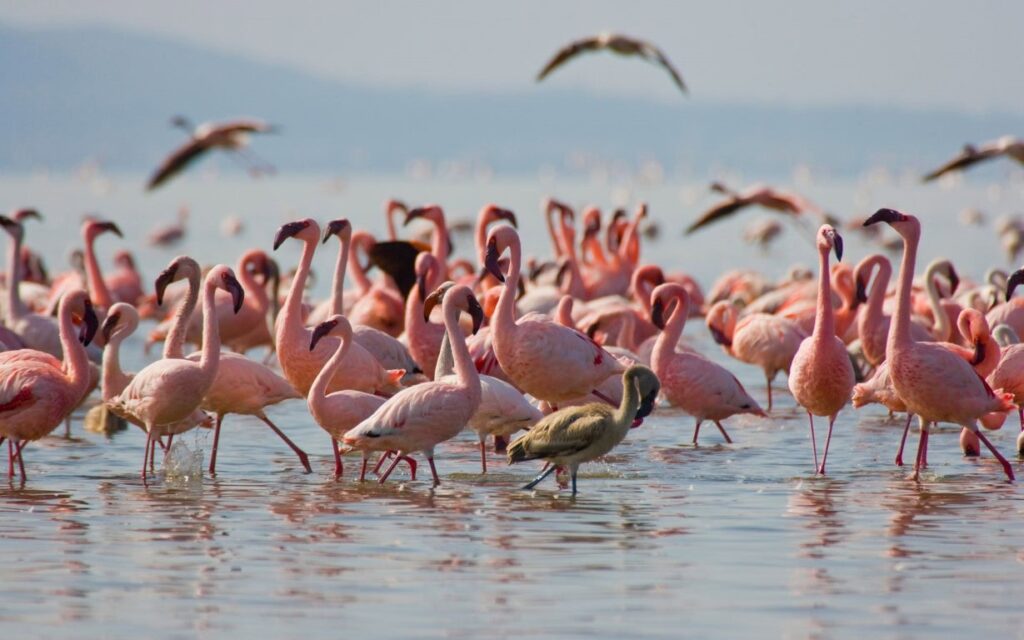
Kenya is one of Africa’s premier birdwatching destinations, with more than 1,100 recorded bird species across its forests, wetlands, lakes, savannahs, and coastal ecosystems. The country’s remarkable diversity attracts both beginner bird enthusiasts and experienced birders from around the world.
The green seasons, particularly November to April, are generally considered the best period for birdwatching. During these months, many migratory species arrive from Europe and Asia, adding to Kenya’s already impressive resident bird population.
Lakes such as Lake Nakuru, Lake Naivasha, and Lake Bogoria become particularly rewarding during this period, while wetlands and forest reserves are alive with bird activity. Even travelers whose primary goal is a Big Five safari are often surprised by the richness of Kenya’s birdlife.
Best Time for Photography
Every season offers photographers something unique.
The dry seasons provide excellent visibility, golden grasslands, dramatic wildlife interactions, and easier animal sightings. These conditions are particularly attractive to wildlife photographers hoping to capture predators, elephants, and the Great Migration.
The green seasons create an entirely different photographic experience. Fresh vegetation, dramatic cloud formations, colorful sunsets, newborn animals, and vibrant landscapes offer stunning opportunities that many professional photographers actively seek.
Rather than asking which season is “best,” photographers should choose the conditions that match the style of images they hope to capture.
Best Time for Beach Holidays
Kenya’s Indian Ocean coastline is a year-round destination, but weather conditions vary slightly throughout the year.
Many travelers enjoy the coast during:
- January to March.
- July to October.
- December holidays.
Popular coastal destinations include:
- Diani Beach.
- Watamu.
- Malindi.
- Nyali Beach.
Combining a safari with several days on the coast allows travelers to enjoy wildlife, relaxation, snorkeling, diving, and luxury beach resorts within one holiday.
Best Time for Family Holidays
Families often travel according to school holiday calendars rather than wildlife seasons.
Fortunately, Kenya offers excellent safari experiences throughout the year, making it suitable for:
- Summer holidays.
- Christmas holidays.
- Easter breaks.
- Half-term vacations.
Dry-season travel is often preferred because wildlife viewing is generally easier and road conditions are excellent. However, green-season travel can provide better value and quieter parks for families seeking a more relaxed experience.
Choosing the right itinerary is often more important than choosing the “perfect” month.
Best Time for Honeymooners
Kenya is one of Africa’s leading honeymoon destinations regardless of season.
Couples often choose:
- January and February.
- June to October.
- December festive period.
Luxury safari lodges, private conservancies, romantic bush dinners, and beach extensions create unforgettable honeymoon experiences throughout the year.
Traveling outside peak safari months can also provide greater privacy and attractive accommodation offers while still delivering exceptional wildlife viewing.
Kenya Weather Month by Month
January–February
- Excellent wildlife viewing.
- Dry weather.
- Beautiful photography conditions.
- Ideal for luxury safaris and honeymoons.
March–May
- Green landscapes.
- Lower visitor numbers.
- Attractive accommodation offers.
- Excellent birdwatching.
June–October
- Peak safari season.
- Outstanding wildlife viewing.
- Great Migration in the Masai Mara.
- Comfortable temperatures.
November–December
- Short rains.
- Green scenery.
- Good wildlife.
- Moderate visitor numbers.
- Excellent value before festive travel.
Each season offers a different perspective on Kenya, allowing travelers to choose the experience that best matches their interests.
Choosing the Right Season for Your Travel Goals
Instead of asking “What is the best month?”, ask yourself what you most want to experience.
Choose June–October if you want:
- Great Migration.
- Peak wildlife viewing.
- Dry weather.
- Classic safari photography.
Choose January–February if you want:
- Excellent game viewing.
- Fewer visitors than peak migration.
- Warm sunny weather.
- Luxury escapes.
Choose March–May if you want:
- Lower prices.
- Green scenery.
- Birdwatching.
- Fewer crowds.
Choose November–December if you want:
- Good wildlife.
- Fresh landscapes.
- Moderate visitor numbers.
- Excellent overall value.
The best travel season is the one that aligns with your personal expectations rather than someone else’s itinerary.
Frequently Asked Questions
What is the best month to visit Kenya?
There is no single best month because the ideal time depends on your travel goals. July to October is generally considered the best period for wildlife viewing and the Great Migration, while January and February offer excellent safari conditions with fewer crowds.
Can I visit Kenya during the rainy season?
Yes. Kenya remains an outstanding destination during the rainy seasons. Wildlife is present throughout the year, landscapes become beautifully green, accommodation rates are often lower, and visitor numbers are generally smaller.
When can I see the Great Migration in Kenya?
The Great Migration is most commonly experienced in the Masai Mara between July and October, when large herds of wildebeest and zebra move into Kenya from Tanzania. River crossings during this period are among the most dramatic wildlife spectacles in the world.
Is Kenya good to visit all year?
Absolutely. Kenya is a year-round destination with rewarding experiences in every season. The best travel period depends on whether you prioritize wildlife, photography, birdwatching, beaches, family holidays, or budget-friendly travel.
Which season is best for a family safari?
Many families choose the dry seasons because wildlife viewing is easier and weather conditions are generally predictable. However, families looking for quieter parks and better accommodation value may also enjoy traveling during the green seasons.
What is the best time for a honeymoon in Kenya?
January to February and June to October are especially popular for honeymooners thanks to dry weather, luxury safari experiences, and excellent wildlife viewing. Couples can also combine their safari with several relaxing days on Kenya’s Indian Ocean coast.
Is the weather the same across Kenya?
No. Kenya has a diverse geography, and weather conditions vary between regions. Coastal areas are generally warmer and more humid, while higher-altitude destinations such as Nairobi and parts of the central highlands enjoy cooler temperatures throughout the year.
Should I book my safari well in advance?
Yes. If you plan to travel during the Great Migration or peak holiday periods, booking several months in advance is highly recommended. Early planning gives you access to the best lodges, preferred travel dates, and greater itinerary flexibility.
The Best Time to Visit Kenya Depends on the Experience You Want
Kenya is one of the few destinations where every season offers something special.
If your dream is to witness the Great Migration, the dry season from July to October is an excellent choice. If you prefer quieter parks, lush scenery, and attractive accommodation offers, the green seasons provide outstanding value and memorable wildlife experiences.
The key is not finding the “perfect month” but matching your travel dates to your interests. Wildlife enthusiasts, photographers, birdwatchers, honeymooners, families, and beach lovers all experience Kenya differently, and each season offers its own unique rewards.
At SK Adventures, we use our local knowledge to recommend the best travel period based on your priorities rather than simply suggesting the busiest months. This personalized approach helps ensure your safari matches your expectations from the moment you arrive.
Key Takeaways
- Kenya is a year-round safari destination, with each season offering unique experiences.
- The dry seasons (June–October and January–February) generally provide the best wildlife viewing conditions.
- July to October is the best period to witness the Great Migration in the Masai Mara.
- The green seasons (March–May and November–December) offer lush landscapes, fewer crowds, excellent birdwatching, and attractive accommodation rates.
- Kenya’s Indian Ocean coast can be enjoyed throughout the year, making it easy to combine a safari with a beach holiday.
- Families, honeymooners, photographers, and wildlife enthusiasts can all find the right season by matching travel dates to their personal interests.
- Booking early is recommended for peak safari months and festive holiday periods.
- Expert local advice helps you choose the best travel season for your goals, ensuring a smoother and more rewarding safari.
Ready to Plan Your Kenya Safari?
No matter when you choose to visit, Kenya offers extraordinary wildlife, breathtaking landscapes, rich cultural experiences, and unforgettable moments that stay with you long after your journey ends. The best time to travel is the time that aligns with your interests, budget, and travel style—and that’s where expert guidance makes all the difference.
At SK Adventures, we combine local destination expertise, carefully planned itineraries, and personalized service to help you choose the right parks, the best travel season, and the safari experience that suits you best. Whether you’re planning your first African safari or returning for another adventure, we’ll help you make the most of every day.
Request Your Personalized Safari Quote
Ready to experience Kenya at the perfect time of year?
Request a personalized safari quote from SK Adventures today, and let our experienced safari specialists design an itinerary based on your preferred travel dates, interests, and budget. We’ll help you choose the ideal season, recommend the best destinations, and create a Kenya safari you’ll remember for a lifetime.