
Yes—children can absolutely join a Kenya safari, and for many families it becomes one of the most memorable holidays they’ll ever take.
The key is choosing an itinerary that matches your children’s ages, energy levels, interests, and attention spans. Family-friendly parks, private safaris, flexible schedules, and child-friendly lodges make an enormous difference.
Rather than asking “Can children go on safari?”, parents should ask:
“Which safari is most suitable for my family?”
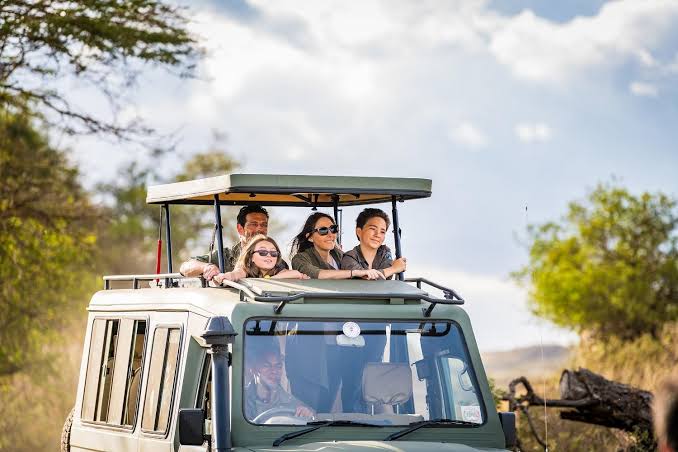
Direct Answer
Yes, children of almost any age can join a Kenya safari.
However, the best experience depends on:
- Your child’s age
- The parks you visit
- Accommodation policies
- Length of game drives
- Travel distances
- Whether your safari is private or shared
A well-planned family safari keeps children engaged, allows flexibility for parents, and creates unforgettable shared experiences.
Introduction
Many parents dream of introducing their children to Africa’s wildlife.
Then the questions begin:
- Is my child too young?
- Will they enjoy long game drives?
- Is Kenya safe for families?
- Which parks are best for children?
- What if they become bored?
- Are family-friendly lodges available?
These are sensible questions—and the answers matter.
A Kenya safari is unlike a traditional beach holiday or city break. It involves early mornings, wildlife viewing, travel between destinations, and time spent outdoors.
When designed around your family, however, a safari becomes far more than a vacation.
It becomes:
- A wildlife classroom.
- A family adventure.
- A chance to disconnect from screens.
- An opportunity to experience nature together.
This guide explains how to choose the right safari for your children, what to expect at different ages, and how to plan a trip that both adults and children will enjoy.
If you’re still exploring family safari options, begin with our Kenya Safari Packages for UAE Travelers, where you’ll also find advice on visas, health, budgeting, packing, and choosing the best parks.
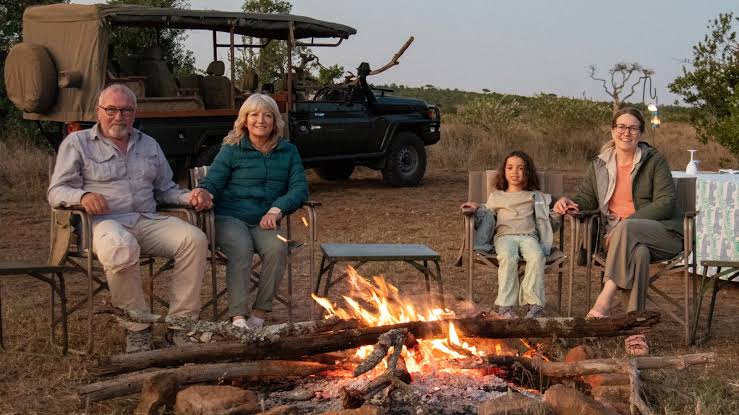
Can Children Join a Kenya Safari?
Absolutely.
Every year, thousands of families visit Kenya with children ranging from toddlers to teenagers.
The experience simply needs to be matched to the family’s needs.
For example:
A safari suitable for a family with a four-year-old may be very different from one designed for teenagers.
Good safari planning considers:
- Travel pace
- Accommodation
- Wildlife interests
- Drive times
- Rest opportunities
- Child-friendly activities
What Is the Best Age for a Safari?
There isn’t one perfect age.
Instead, each stage offers different advantages.
Babies and Toddlers (0–4 Years)
Young children can travel on safari, but parents should expect:
- Shorter game drives
- Frequent breaks
- Flexible schedules
- Family-friendly lodges
Some camps have minimum age requirements, particularly in remote wildlife areas.
Private safaris are usually the best option because they allow parents to return to camp whenever necessary.
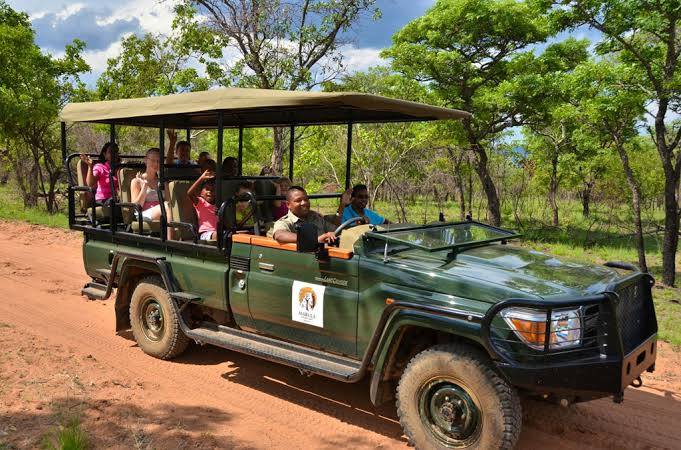
Young Children (5–8 Years)
This is often an excellent age for a first safari.
Children are:
- Curious
- Excited by wildlife
- Old enough to remember the experience
- Beginning to understand conservation
Game drives should still remain relatively short, with plenty of opportunities to stop, stretch, and enjoy activities back at the lodge.
Older Children (9–12 Years)
Many safari guides consider this one of the ideal ages.
Children often become fascinated by:
- Animal behavior
- Tracking
- Birds
- Conservation
- Photography
Longer game drives become much easier, allowing families to explore more remote wildlife areas.
Teenagers
Teenagers often enjoy:
- Adventure
- Photography
- Big Five sightings
- Walking safaris (where age restrictions allow)
- Cultural experiences
- Night game drives (where permitted)
They can also appreciate the conservation stories behind Kenya’s national parks.
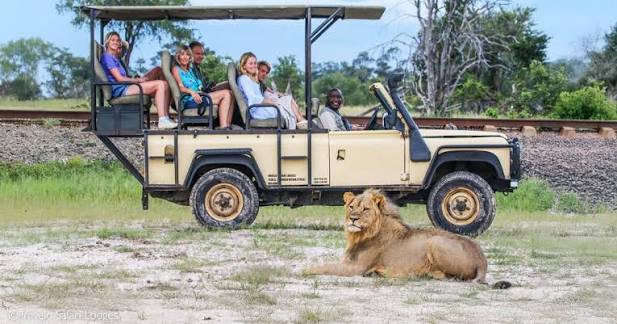
Best National Parks for Families
Not every park suits every family.
Some destinations are particularly well suited to children because they combine excellent wildlife with manageable travel times and family-friendly accommodation.
The Masai Mara is one of Kenya’s best family safari destinations.
Families enjoy:
- Excellent Big Five sightings
- Open landscapes
- Frequent wildlife encounters
- Family-friendly lodges
- Educational opportunities
Children often see lions, elephants, giraffes, zebras, and antelope within their first game drive.
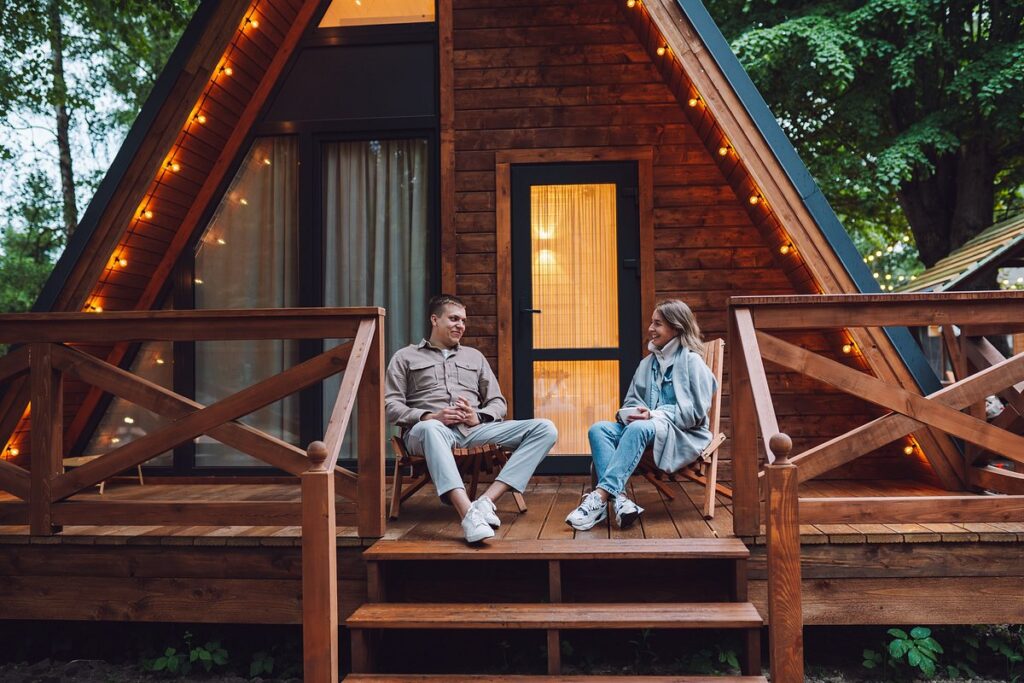
Amboseli is another excellent choice for families.
Highlights include:
- Large elephant herds
- Spectacular Mount Kilimanjaro views
- Relatively easy wildlife viewing
- Comfortable driving distances
The open landscape makes animal spotting easier for younger children.
Lake Naivasha offers a different pace from traditional safari parks.
Families can enjoy:
- Boat trips
- Hippos
- Birdlife
- Walking among giraffes and zebras at nearby Crescent Island (where appropriate)
This provides welcome variety during a longer safari.
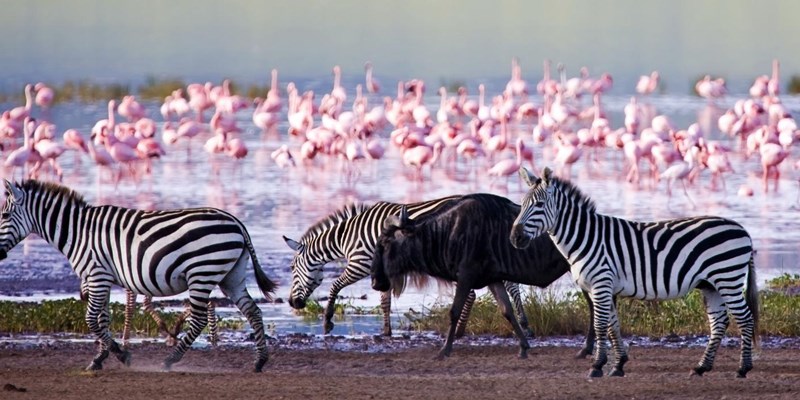
Lake Nakuru combines:
- Rhinos
- Rothschild’s giraffes
- Lions
- Leopards
- Beautiful scenery
Its relatively compact size means families often enjoy productive game drives without traveling long distances.
Why Private Safaris Are Better for Families
While shared safaris can reduce costs, private safaris usually provide much better value for families.
Private safaris allow you to:
- Start later if children need extra sleep.
- Take breaks whenever needed.
- Return to camp early.
- Spend longer at favorite wildlife sightings.
- Adjust daily schedules around your children.
For many families, this flexibility transforms the safari experience.
Choosing Family-Friendly Accommodation
Not every safari lodge is designed with families in mind.
Some luxury camps cater primarily to honeymooners or adult travelers, while others have excellent facilities for children.
When selecting accommodation, look for properties that offer:
- Family rooms or interconnected suites
- Swimming pools
- Flexible meal times
- Child-friendly menus
- Large outdoor spaces
- Experienced staff who enjoy working with children
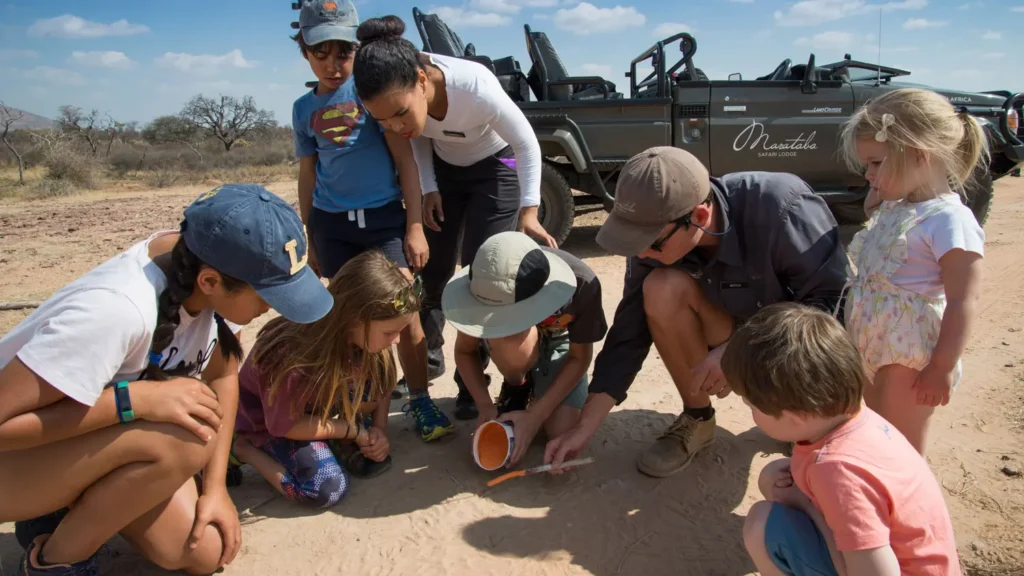
Some lodges also provide children’s safari activity programs that introduce wildlife and conservation through games, storytelling, and guided educational experiences.
Choosing the right accommodation often has a greater impact on your family’s overall experience than choosing the most luxurious lodge.

Lodge Age Restrictions
Parents are sometimes surprised to learn that some safari lodges have minimum age requirements.
These restrictions usually apply because of:
- Wildlife moving freely through unfenced camps
- Safety during walking activities
- Quiet atmosphere for other guests
- Activity-specific regulations
Typical guidelines include:
- Some camps welcome children of all ages.
- Others require children to be at least 6, 8, or 12 years old.
- Walking safaris frequently have minimum age limits.
- Night game drives may also have restrictions.
Your safari specialist should always confirm lodge policies before booking.
Keeping Children Safe on Safari
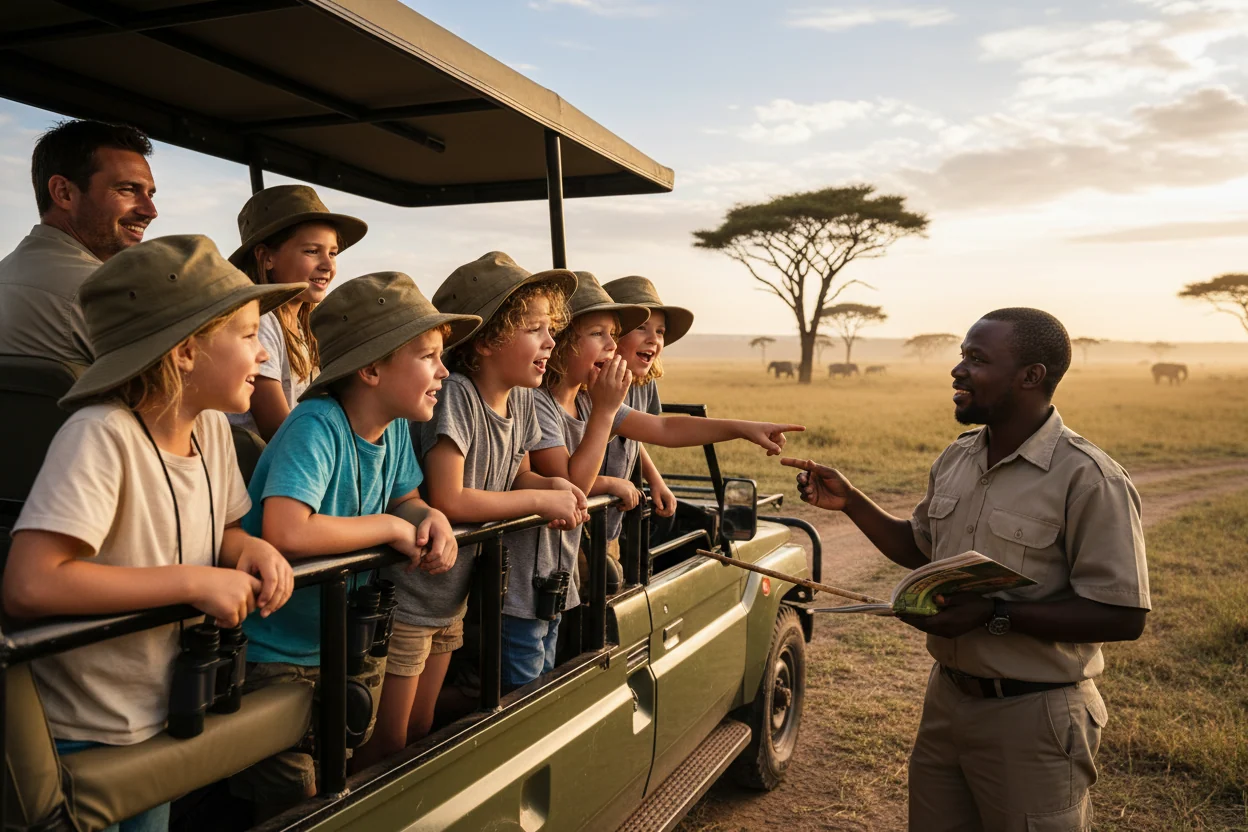
Kenya safaris are generally very safe when families follow their guide’s instructions.
Parents should explain a few important rules before the first game drive.
Children should:
- Stay seated in the vehicle unless instructed otherwise.
- Speak quietly near wildlife.
- Never feed animals.
- Never leave the vehicle without permission.
- Listen carefully to the guide.
These simple habits help protect both your family and the wildlife.
Health Considerations for Children
Before traveling, consult your family’s doctor regarding:
- Recommended vaccinations
- Malaria prevention (if appropriate)
- Prescription medications
- Motion sickness remedies
- Sun protection
Pack enough medication for the entire trip, as remote safari areas may not have easy access to pharmacies.
Most reputable safari operators can also accommodate dietary requirements if informed in advance.
Packing for a Family Safari
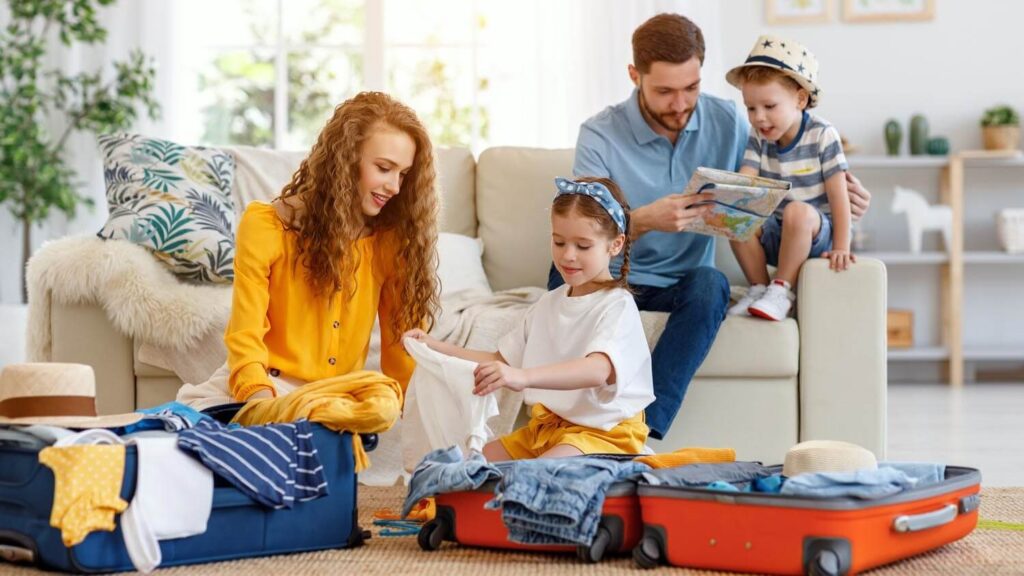
Packing efficiently helps parents stay organized and reduces stress throughout the journey.
Children typically need:
- Lightweight clothing
- Comfortable walking shoes
- Hat
- Sunglasses
- Reusable water bottle
- Light jacket for early mornings
- Sunscreen
- Insect repellent
- Personal medications
Younger children may also appreciate:
- Small binoculars
- Wildlife guidebooks
- Coloring books
- Camera
- Favorite travel toy
These items help keep children engaged during longer drives.
Keeping Children Interested During Game Drives
Children experience safari differently from adults.
Rather than focusing only on the “Big Five,” encourage them to notice:
- Animal tracks
- Birds
- Insects
- Trees
- Animal behavior
- Sounds of the bush
Turning game drives into small wildlife challenges can make the experience far more enjoyable.
Ideas include:
- Spot five different antelope species.
- Count giraffes.
- Find baby animals.
- Listen for bird calls.
- Identify different elephant behaviors.
Interactive experiences help children stay engaged much longer.
Balancing Safari and Relaxation
Families often benefit from itineraries that combine wildlife with leisure time.
Instead of scheduling game drives from dawn until dusk every day, consider including:
- Lodge pool time
- Cultural visits
- Boat excursions
- Beach extension
- Nature walks (where appropriate)
A slower pace often creates happier children—and happier parents.

How Long Should a Family Safari Be?
The ideal length depends on your children’s ages.
Young Children
Generally:
4–6 days of safari followed by a beach stay works very well.
Older Children
Many families successfully enjoy:
6–9 day safaris
particularly when visiting multiple parks.
Teenagers
Teenagers often appreciate:
- Longer itineraries
- More remote destinations
- Additional activities
- Photography opportunities
Choosing the right pace is usually more important than simply adding more days.
Common Mistakes Parents Make
Trying to Visit Too Many Parks
Children often remember wildlife encounters—not the number of parks visited.
Fewer destinations with more time to explore usually provide a better experience.
Booking Adult-Focused Lodges
Luxury doesn’t always mean family-friendly.
Always confirm that your chosen accommodation welcomes children and offers facilities appropriate for your family.
Planning Long Daily Drives
Young children rarely enjoy sitting in a vehicle for many consecutive hours.
Choose itineraries with reasonable transfer times.
Overloading Every Day
Families sometimes try to schedule every possible activity.
Allow free time.
Children often need opportunities to relax, swim, and simply enjoy being outdoors.
Underestimating Early Morning Starts
Game drives often begin before sunrise.
Planning occasional later mornings helps younger travelers recharge.

Why Kenya Is One of Africa’s Best Family Safari Destinations
Kenya combines several advantages that make it particularly attractive for families:
- Exceptional wildlife viewing
- Well-developed safari infrastructure
- Experienced guides
- Family-friendly accommodation
- Variety of parks
- Easy safari-and-beach combinations
- Short domestic flights between major destinations
For many families, Kenya offers the perfect introduction to African wildlife.
Frequently Asked Questions
Can toddlers go on a Kenya safari?
Yes, toddlers can join a Kenya safari, but the itinerary should be designed specifically for young children.
Parents should choose:
- Family-friendly lodges
- Short driving distances
- Flexible game drive schedules
- Private safari vehicles
This allows you to adjust the day around naps, meals, and rest breaks without affecting other travelers.
What is the best age for a child’s first safari?
There is no single “perfect” age, but many safari specialists recommend 6–12 years as an ideal range.
At this age, children are generally able to:
- Stay engaged during game drives
- Understand wildlife behavior
- Appreciate conservation stories
- Remember the experience for years to come
That said, younger and older children can also have fantastic safaris with the right itinerary.
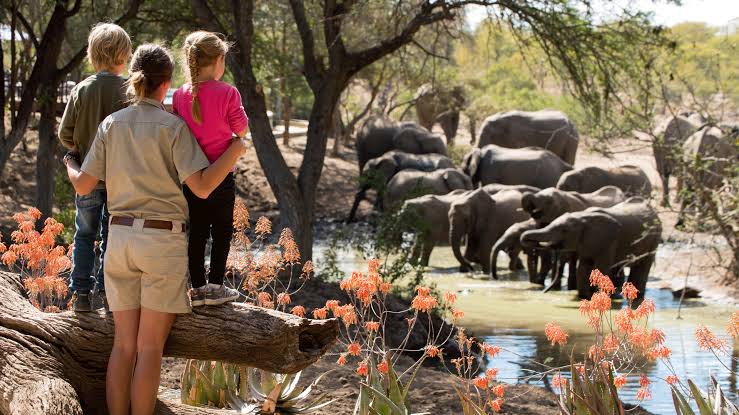
Are Kenya safaris safe for children?
Yes.
When conducted by reputable safari operators and experienced guides, Kenya safaris are very safe for families.
Safety depends on:
- Following your guide’s instructions
- Staying inside the vehicle unless advised otherwise
- Choosing suitable accommodation
- Supervising children at all times
Wildlife areas are managed with strict safety procedures, and professional guides are trained to handle different situations.
Which Kenyan national parks are best for families?
Popular family-friendly destinations include:
- Masai Mara National Reserve – exceptional wildlife viewing and Big Five sightings.
- Amboseli National Park – famous for elephants and views of Mount Kilimanjaro.
- Lake Nakuru National Park – compact park with rhinos, giraffes, and varied wildlife.
- Lake Naivasha – excellent for boat trips and gentle wildlife experiences.
Choosing fewer parks with shorter travel times generally creates a more enjoyable family holiday.
Should families choose a private safari?
In most cases, yes.
Private safaris provide:
- Flexible departure times
- Freedom to shorten or extend game drives
- Personalized wildlife experiences
- More comfort for children
- Greater privacy
Although private safaris usually cost more than shared departures, many families find they offer significantly better overall value.
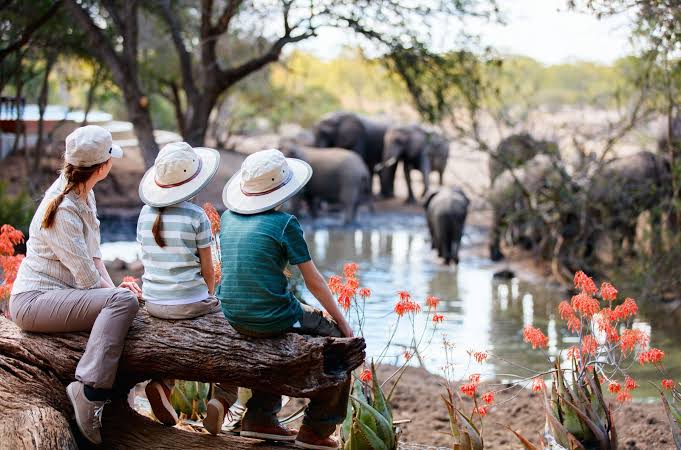
What should children pack for a safari?
Essentials include:
- Comfortable clothing in neutral colors
- Walking shoes
- Sun hat
- Sunglasses
- Sunscreen
- Insect repellent
- Personal medication
- Small backpack
- Binoculars
- Camera or smartphone
- Favorite book or travel game
Packing light while bringing a few familiar comfort items helps children feel more relaxed during the trip.
Can children see the Big Five?
Absolutely.
Children often become especially excited when spotting:
- Lions
- Elephants
- Rhinos
- Leopards
- Buffalo
However, parents should remember that safaris are about experiencing nature as a whole—not simply completing a checklist.
The excitement of watching elephants interact, giraffes browsing, or a family of zebras crossing the plains can be just as memorable.
Should we combine a safari with the beach?
For many families, yes.
After several days of early mornings and wildlife viewing, relaxing at Kenya’s Indian Ocean coast provides a perfect balance.
Children enjoy:
- Swimming
- Beach activities
- Water sports
- Time to unwind
Parents also appreciate a slower pace before returning home.

How early should families book a Kenya safari?
For the best choice of family rooms and lodges, it’s advisable to book:
- 6–12 months in advance for peak travel periods.
- 3–6 months in advance for many other seasons.
Family accommodations often have limited availability, particularly during school holidays.
Will my children enjoy a safari?
Most children are fascinated by seeing wild animals in their natural habitat.
When the itinerary is age-appropriate, includes comfortable accommodation, reasonable driving times, and opportunities for relaxation, families frequently describe a Kenya safari as one of the most rewarding holidays they’ve ever shared.
Expert Advice: Build the Safari Around Your Family
The most successful family safaris don’t try to fit children into an adult itinerary—they build the itinerary around the family.
That means choosing the right parks, realistic travel times, suitable accommodation, and enough flexibility to adapt each day to your children’s needs. A private safari, shorter game drives for younger travelers, and a mix of wildlife, relaxation, and educational experiences often create the happiest memories.
At SK Adventures, we work closely with families to recommend safaris that are practical, enjoyable, and tailored to different age groups. Rather than offering a one-size-fits-all package, we help you design a journey that keeps every member of the family engaged—from toddlers seeing their first giraffe to teenagers photographing lions on the savannah.
Key Takeaways
- Children of almost any age can enjoy a Kenya safari when the itinerary is designed with their needs in mind.
- The ideal safari depends on your children’s age, interests, and energy levels—not just the destinations you want to visit.
- Private safaris offer the flexibility families need and often provide better overall value than shared tours.
- Family-friendly lodges, shorter game drives, and balanced itineraries help keep children engaged and comfortable.
- Kenya’s top family parks include the Masai Mara, Amboseli, Lake Nakuru, and Lake Naivasha.
- Packing appropriately, planning health precautions, and following your guide’s safety instructions contribute to a smooth family adventure.
- Combining a safari with a few days on Kenya’s coast creates an ideal mix of wildlife and relaxation.
- Working with an experienced safari specialist ensures your itinerary is tailored to your family’s unique needs and expectations.
Ready to Plan a Kenya Safari Your Whole Family Will Love?
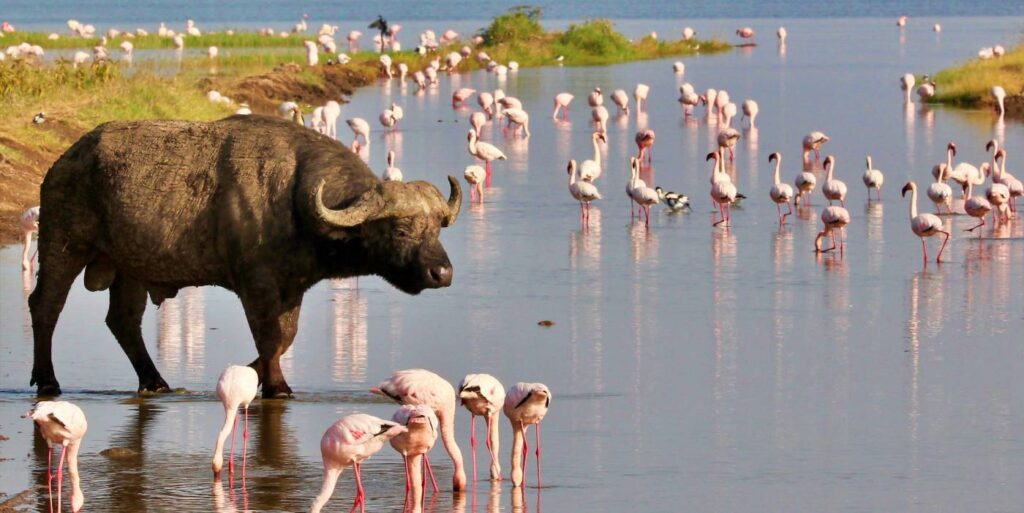
A family safari is more than a holiday—it’s an opportunity to create lifelong memories together. Watching your children see elephants, lions, giraffes, and zebras in the wild, learning about conservation, and experiencing Kenya’s landscapes firsthand can inspire a lifelong appreciation for nature.
At SK Adventures, we specialize in designing family-friendly Kenya safaris that combine exciting wildlife experiences with comfort, flexibility, and peace of mind. Whether you’re traveling with young children, teenagers, or multiple generations, we’ll help you create an itinerary that suits your family’s pace, interests, and budget.
Request Your Personalized Family Safari Quote
Contact SK Adventures today for a personalized family safari quotation. We’ll recommend child-friendly parks and lodges, plan sensible travel times, answer your questions about safety and activities, and design a Kenya safari that every member of your family will remember for years to come.