
Most travelers visiting Kenya do not need extensive medical preparation, but taking the right health precautions before you travel can make your safari safer and more enjoyable. Routine vaccinations should be up to date, and depending on where you’re traveling and your personal health, your healthcare provider may recommend vaccines such as Hepatitis A, Typhoid, or Yellow Fever, along with malaria prevention in certain areas.
The best approach is to schedule a travel health consultation several weeks before departure. This gives you enough time to receive recommended vaccinations, discuss malaria prevention, arrange travel insurance, and prepare for a worry-free safari.

Direct Answer
Most visitors to Kenya do not need mandatory vaccinations solely because they are visiting Kenya, although some travelers may need proof of Yellow Fever vaccination if arriving from or transiting through countries where Yellow Fever is a risk. Routine vaccinations should be current, and many travelers are advised to consider Hepatitis A, Typhoid, and malaria prevention depending on their itinerary and personal circumstances.
If you’re planning a safari with SK Adventures, understanding these health recommendations early helps you prepare confidently, avoid unnecessary surprises, and focus on enjoying one of Africa’s most rewarding travel experiences.
Introduction
Health preparation is one of the most overlooked parts of planning a Kenya safari. Many travelers spend weeks comparing safari packages and accommodation but only think about vaccinations a few days before departure.
Fortunately, preparing for travel to Kenya is usually straightforward when you understand what is actually required and what is simply recommended. Much of the confusion comes from outdated websites or general travel advice that doesn’t distinguish between legal entry requirements and good medical practice.
This guide explains everything you need to know before traveling to Kenya, including vaccinations, malaria prevention, food and water safety, travel insurance, and practical health advice. Our goal is to replace uncertainty with confidence so you can focus on planning an unforgettable safari.
If you’re still comparing itineraries, our Kenya Safari Packages for UAE Travelers, will help you choose the safari that best matches your travel goals while answering many of the practical questions travelers ask before booking.
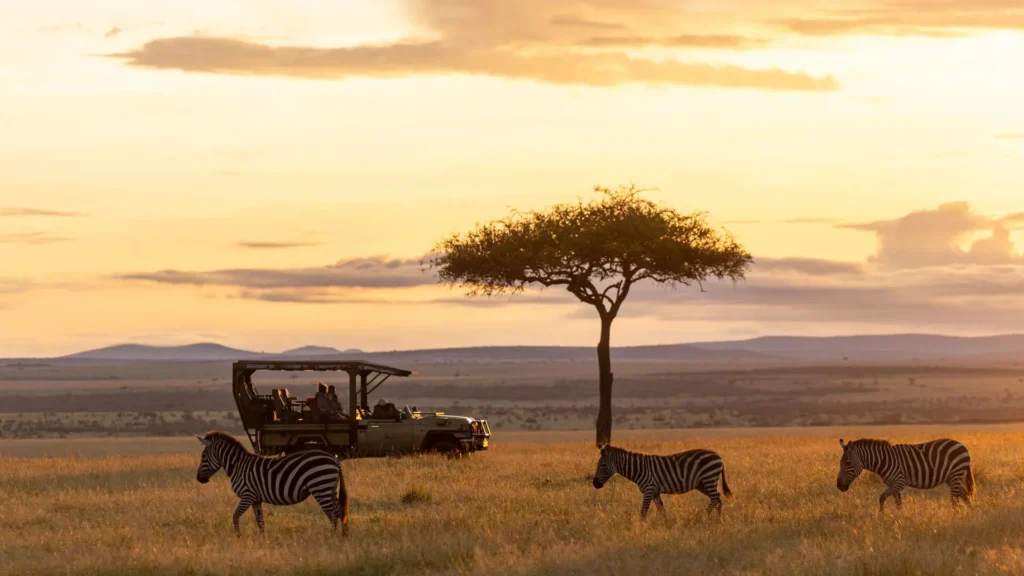
Why Health Preparation Matters Before Visiting Kenya
Preparing your health before international travel is not about expecting problems. It is about reducing avoidable risks and giving yourself peace of mind throughout your journey.
Most travelers experience no significant health issues during their Kenya holiday. Those who prepare properly by seeking medical advice, following vaccination recommendations, and taking simple preventive measures usually enjoy a smooth and comfortable trip.
Health preparation also protects your investment. A safari is often a once-in-a-lifetime experience, and becoming ill because of preventable issues can affect the quality of your holiday.
Speaking with your doctor or a travel medicine clinic several weeks before departure allows enough time to receive recommended vaccines and discuss any existing medical conditions that may require special planning.
Which Vaccinations Are Required for Kenya?
One of the biggest misconceptions is that Kenya requires numerous mandatory vaccinations.
For most travelers arriving directly from countries without Yellow Fever transmission, there are no routine vaccination certificates required solely for entry into Kenya. However, Kenya requires proof of Yellow Fever vaccination for travelers arriving from, or transiting through, countries with a risk of Yellow Fever transmission.
Because entry rules can change, you should always confirm the latest official requirements before departure. This is particularly important if your itinerary includes multiple countries before arriving in Kenya.
Understanding the difference between required and recommended vaccinations helps travelers avoid unnecessary confusion during their planning process.
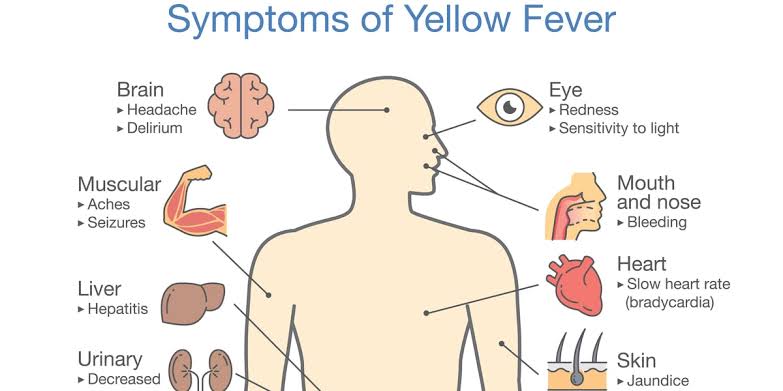
Recommended Vaccinations Before Traveling to Kenya
While many vaccines are not legally required, healthcare providers commonly recommend certain vaccinations based on your travel plans, health history, and activities.
Commonly recommended vaccines may include:
- Hepatitis A
- Typhoid
- Hepatitis B
- Routine childhood and adult vaccinations
- Measles (MMR) if not fully immunized
- Tetanus booster where appropriate
Not every traveler needs every vaccine. Your doctor will assess your age, medical history, planned destinations, and length of stay before making recommendations.
Receiving recommended vaccinations helps reduce the likelihood of illnesses that can interrupt your holiday or require medical treatment abroad.
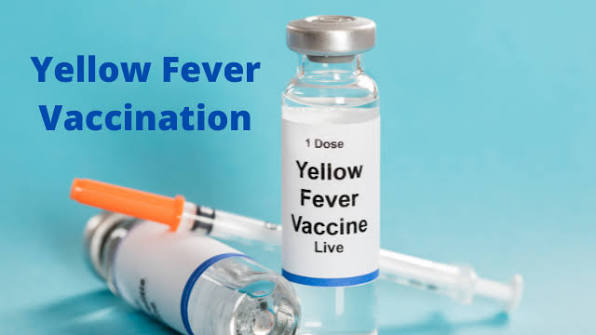
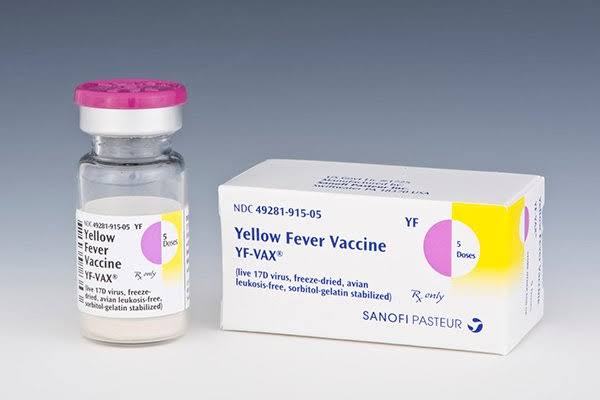
Yellow Fever: Do You Need the Vaccine?
Yellow Fever causes the greatest confusion among travelers to Kenya.
The vaccine is recommended for travel to certain areas of Kenya, but entry requirements depend largely on where you are arriving from. Travelers coming from countries with Yellow Fever transmission may need to present an International Certificate of Vaccination when entering Kenya.
If your itinerary includes a stopover in another African or South American country before arriving in Kenya, your vaccination requirements may differ from someone flying directly from the UAE.
Because individual circumstances vary, always verify current entry requirements before travel and discuss your itinerary with your healthcare provider.
Malaria Prevention: What Safari Travelers Should Know
Malaria is present in many parts of Kenya, including several popular safari destinations. However, the level of risk varies depending on altitude and location. Nairobi’s central urban area has little to no malaria risk, while many game parks and lower-altitude regions do have transmission.
There is no malaria vaccine routinely used for international travelers, so prevention focuses on prescription medication where appropriate and avoiding mosquito bites.
Your healthcare provider may recommend antimalarial medication based on your itinerary. These medicines often need to be started before travel and continued during and after your trip depending on the specific medication prescribed.
Simple mosquito protection measures—including insect repellent, long sleeves during evenings, and sleeping in screened or protected accommodation—remain some of the most effective ways to reduce risk.
Food and Water Safety in Kenya
Food is one of the highlights of visiting Kenya, and most safari lodges, hotels, and reputable restaurants maintain excellent hygiene standards. International visitors generally enjoy fresh meals prepared by experienced chefs who are accustomed to serving guests from around the world.
While serious food-related illnesses are uncommon in established tourism facilities, it is still sensible to follow basic travel health precautions. Choose freshly prepared meals, eat at reputable restaurants and lodges, and avoid food that has been left uncovered for long periods.
Drinking safe water is equally important during your trip. Most hotels and safari lodges provide bottled or filtered drinking water, and it is advisable to use this for drinking and brushing your teeth if recommended by your accommodation.
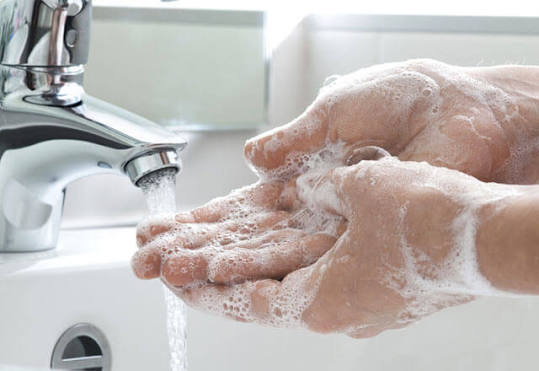
Good hand hygiene also helps prevent common travel illnesses. Carrying a small bottle of hand sanitizer is useful during game drives, airport transfers, and excursions where handwashing facilities may not always be immediately available.
Medical Facilities in Kenya
Kenya has well-developed private healthcare facilities, particularly in Nairobi and other major cities. These hospitals provide high-quality medical services and are accustomed to treating international visitors.
Many safari lodges and camps also have emergency procedures in place. Staff are trained to respond quickly if a guest becomes unwell and can coordinate medical assistance or evacuation if necessary.
Remote safari destinations naturally have fewer medical facilities than cities. This is one of the reasons comprehensive travel insurance is strongly recommended before traveling to Kenya.
Knowing that professional medical support is available provides reassurance for travelers, especially those visiting Africa for the first time.
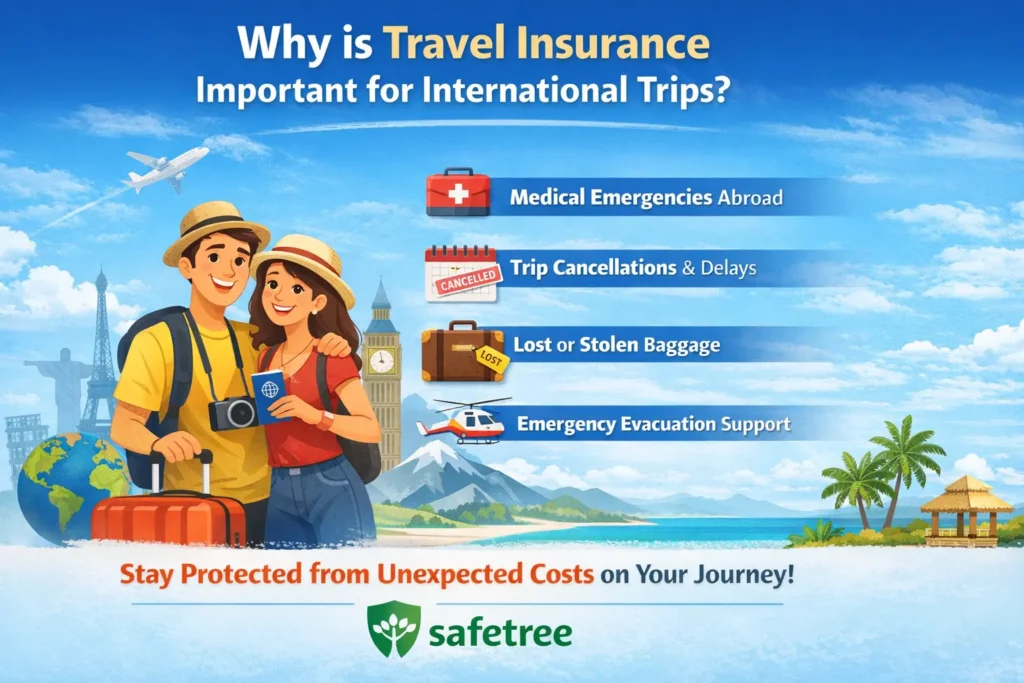
Why Travel Insurance Is Essential
Travel insurance is one of the most valuable investments you can make before your Kenya holiday.
A comprehensive policy may cover:
- Emergency medical treatment.
- Hospitalization.
- Medical evacuation.
- Trip cancellation or interruption.
- Lost or delayed baggage.
- Personal liability.
- Travel delays.
Even healthy travelers should consider travel insurance because unexpected situations can occur anywhere in the world. Having the right cover allows you to focus on enjoying your safari instead of worrying about unforeseen expenses.
Before purchasing insurance, check that your policy specifically covers safari activities and any adventure experiences you plan to enjoy during your trip.
Traveling with Prescription Medication
If you take prescription medication, prepare well before leaving the UAE.
Carry enough medication for your entire holiday, plus extra in case of unexpected travel delays. Keep medicines in their original packaging and carry copies of your prescriptions where appropriate.
It is also advisable to pack essential medication in your hand luggage rather than checked baggage. This ensures your medicines remain accessible if your luggage is delayed.
If you have a medical condition requiring special care, discuss your travel plans with your doctor before departure. They can advise whether any additional documentation or precautions may be necessary.
Health Tips for Families Traveling to Kenya
Kenya is an excellent destination for family safaris, and children can enjoy wildlife experiences safely when trips are planned appropriately.
Parents should consult their pediatrician well before departure to discuss recommended vaccinations, malaria prevention, and any destination-specific health advice for children.
Choosing family-friendly lodges with swimming pools, flexible meal options, and shorter game drives helps keep younger travelers comfortable throughout the holiday.
Planning realistic travel days is equally important. Children often enjoy safaris more when there is a balance between wildlife activities and time to relax.
Health Advice for Senior Travelers
Many travelers over the age of 60 enjoy unforgettable safaris in Kenya every year.
Before traveling, seniors should discuss existing medical conditions with their healthcare provider and ensure they have sufficient medication for the duration of the trip.
Choosing comfortable accommodation, limiting long driving days, and allowing time to rest between activities often creates a more enjoyable safari experience.
At SK Adventures, we help travelers select itineraries that match their comfort level rather than simply trying to include as many destinations as possible.
Your Kenya Safari Health Packing Checklist
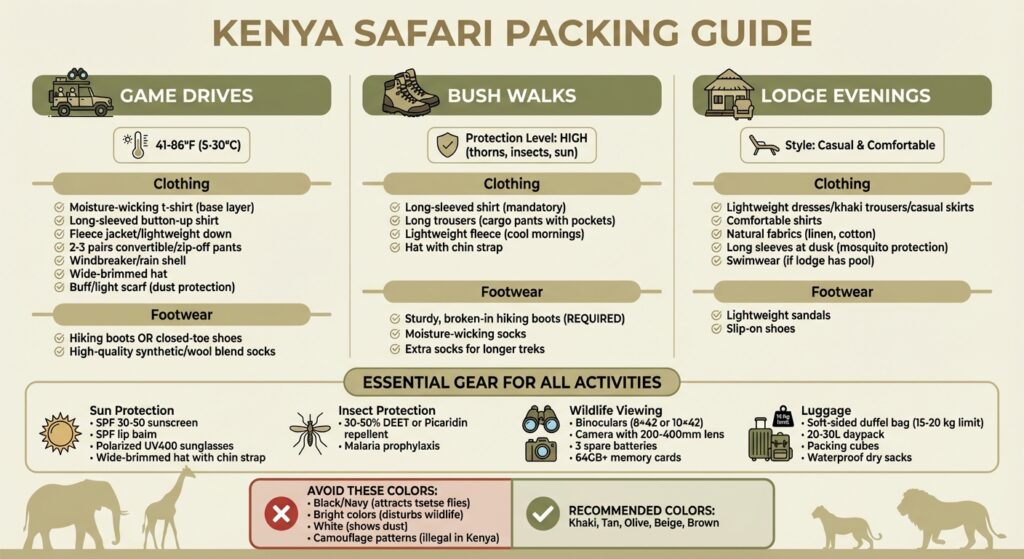
Packing the right health essentials can make your trip more comfortable and reduce unnecessary stress.
Consider bringing:
- Prescription medication.
- Basic first aid supplies.
- Insect repellent.
- Sunscreen.
- Lip balm.
- Hand sanitizer.
- Reusable water bottle.
- Sunglasses.
- Wide-brimmed hat.
- Personal hygiene products.
- Motion sickness medication if required.
Most safari lodges provide basic toiletries, but bringing your preferred products ensures greater comfort throughout your holiday.
Staying Healthy During Your Safari
Good health during your safari is usually the result of simple daily habits rather than complicated medical preparations.
Drink plenty of water throughout the day, particularly during warmer months. Kenya’s sunshine and outdoor activities can lead to dehydration more quickly than many visitors expect.
Wear lightweight clothing that protects you from both the sun and insects, especially during early morning and evening game drives. Comfortable walking shoes also make excursions much more enjoyable.
Finally, listen to your safari guide’s advice. Local guides understand the environment, weather conditions, and practical considerations that help visitors stay comfortable while enjoying Kenya’s remarkable wildlife.
Frequently Asked Questions
Do I need vaccinations before traveling to Kenya?
Most travelers do not need mandatory vaccinations solely because they are visiting Kenya. However, your healthcare provider may recommend vaccinations such as Hepatitis A, Typhoid, Hepatitis B, Tetanus, or Measles (MMR) depending on your medical history, planned activities, and travel itinerary. It’s best to schedule a travel health consultation 4–8 weeks before departure.
Is the Yellow Fever vaccine required for Kenya?
Not always. A Yellow Fever vaccination certificate is generally required if you are arriving from or transiting through a country with a risk of Yellow Fever transmission. Travelers flying directly from countries without Yellow Fever risk may not require the certificate, but entry requirements should always be confirmed before travel.
Do I need malaria tablets for a Kenya safari?
Many safari destinations are located in areas where malaria prevention is recommended. Your doctor or travel medicine clinic can advise whether prescription antimalarial medication is appropriate based on your exact itinerary, medical history, and the season in which you are traveling.
Is it safe to drink tap water in Kenya?
Most international travelers prefer to drink bottled or filtered water during their visit. Reputable safari lodges, hotels, and restaurants usually provide safe drinking water, and this is generally the recommended option throughout your trip.
Are hospitals in Kenya good?
Yes. Kenya has excellent private hospitals, particularly in Nairobi and other major cities, with many facilities providing high standards of care for international visitors. Remote safari lodges also have emergency procedures and communication systems to coordinate medical assistance if required.
Should I buy travel insurance before visiting Kenya?
Absolutely. Comprehensive travel insurance is highly recommended for every traveler. It provides financial protection for medical emergencies, trip cancellations, lost luggage, evacuation, and other unexpected travel disruptions.
Can children safely travel on safari?
Yes. Kenya is one of Africa’s leading family safari destinations. With the right itinerary, suitable accommodation, and guidance from your healthcare provider regarding vaccinations and malaria prevention, children can enjoy a safe and unforgettable safari experience.
What should I pack for health and safety?
In addition to your normal travel essentials, consider packing:
- Prescription medication.
- Insect repellent.
- Sunscreen.
- Hand sanitizer.
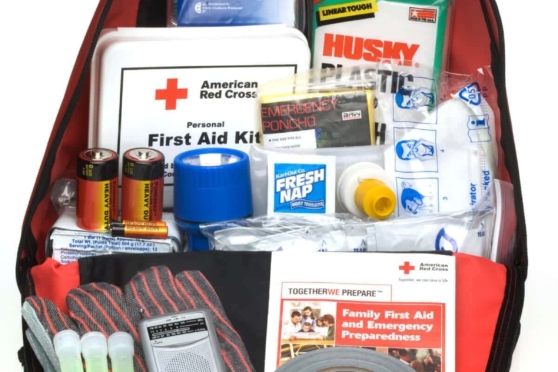
- Basic first-aid supplies.
- Reusable water bottle.
- Sunglasses.
- Hat.
- Personal medications.
- Copies of medical prescriptions if applicable.
Being prepared helps you stay comfortable throughout your journey.
Why Good Preparation Leads to a Better Safari
Health preparation should never feel like a barrier to visiting Kenya. Instead, it should be viewed as one of the simple steps that allows you to enjoy your safari with greater confidence.
Most visitors who plan ahead experience no significant health problems during their holiday. Speaking with your healthcare provider, following recommended vaccination advice, carrying appropriate travel insurance, and practicing basic hygiene measures are usually all that’s required.
The goal is not to eliminate every possible risk—no destination can promise that. The goal is to reduce avoidable risks so you can focus on the extraordinary experiences that make Kenya one of the world’s greatest safari destinations.
Whether you’re watching elephants in Amboseli, witnessing the Great Migration in the Masai Mara, or relaxing on Kenya’s Indian Ocean coast, good preparation allows you to enjoy every moment with peace of mind.
Key Takeaways
- Most travelers do not need mandatory vaccinations solely for visiting Kenya, but several vaccinations may be recommended depending on your personal circumstances.
- Yellow Fever vaccination requirements depend largely on where you are traveling from or transiting through before arriving in Kenya.
- Malaria prevention should be discussed with your healthcare provider, particularly if your itinerary includes safari destinations where malaria risk exists.
- Safe food and drinking water practices, insect protection, and good hygiene help reduce common travel illnesses.
- Comprehensive travel insurance is strongly recommended for all visitors.
- Kenya has excellent private healthcare facilities in major cities, while safari lodges have established emergency procedures.
- Consulting a travel medicine specialist several weeks before departure allows enough time to receive recommended vaccinations and prepare properly.
- Good preparation gives you confidence to focus on what really matters—enjoying one of Africa’s most spectacular safari destinations.

Ready to Experience Kenya?
Once your health preparations are complete, you’re ready for the most exciting part of your journey—choosing the safari that’s right for you.
Whether you’re dreaming of the Great Migration in the Masai Mara, photographing elephants against Mount Kilimanjaro in Amboseli, enjoying a luxury honeymoon, planning a family safari, or combining wildlife with Kenya’s beautiful Indian Ocean beaches, the right itinerary makes all the difference.
At SK Adventures, we combine local Kenya knowledge, honest travel advice, and carefully planned safari experiences to help international travelers book with confidence. We don’t simply recommend popular itineraries—we recommend the safari that best matches your interests, travel dates, budget, and expectations.
Request Your Personalized Safari Quote
Ready to start planning your Kenya adventure?
Request a personalized safari quote from SK Adventures today, and our local safari specialists will help you choose the perfect itinerary, explain your options clearly, and guide you through every stage of planning—from preparing your travel documents and health requirements to experiencing an unforgettable safari in Kenya.