
Kenya enjoys pleasant weather throughout the year thanks to its varied geography and elevation. The best months for wildlife safaris are January to March and July to October, while April–May experience the long rains and November–December bring shorter rains. Coastal destinations remain warm year-round, while highland areas such as Nairobi enjoy cooler temperatures.

Direct Answer
If you’re wondering about Kenya weather by month, the country experiences two dry seasons and two rainy seasons. The dry seasons from January to March and July to October provide the best wildlife viewing and safari conditions, while April–May are wetter with lush landscapes and fewer tourists. Every month offers unique travel opportunities, making Kenya a year-round destination depending on your interests.
Why Understanding Kenya’s Weather Matters
Kenya’s climate varies significantly depending on where you travel. While the coast remains warm and humid throughout the year, Nairobi enjoys mild temperatures due to its high altitude, and northern Kenya is generally hotter and drier.
Understanding these regional differences helps travelers choose the best time for safaris, beach holidays, mountain trekking, cultural tours, and photography. Weather also influences wildlife behavior, making certain months better for game viewing than others.

Kenya’s Climate at a Glance
Unlike countries with four distinct seasons, Kenya experiences:
- Long Dry Season: July to October
- Short Dry Season: January to March
- Long Rains: April to May
- Short Rains: November to December
Because Kenya lies close to the equator, temperatures remain relatively stable throughout the year. Rainfall patterns, rather than temperature changes, define the travel seasons.
Kenya Weather by Month
January
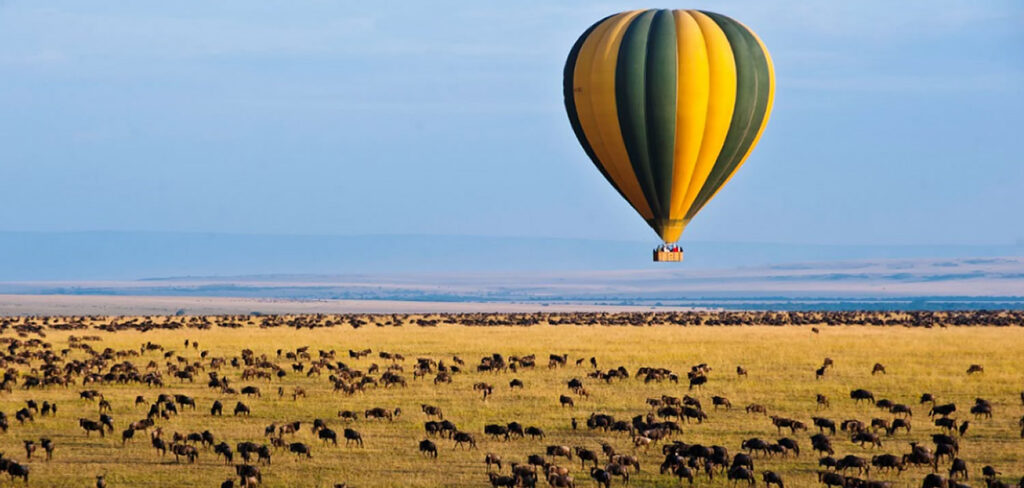
January is one of the best months to visit Kenya. The weather is warm, sunny, and dry across most safari destinations, making it ideal for wildlife viewing.
Average Conditions
- Daytime: 24–30°C (75–86°F)
- Nights: 12–18°C (54–64°F)
Best Activities
- Big Five safaris
- Photography
- Hot air balloon safaris
- Beach holidays in Diani and Watamu
- Birdwatching
Wildlife gathers around rivers and waterholes, increasing your chances of memorable sightings.
February
February remains dry and sunny, offering excellent safari conditions. It is one of the most popular months for honeymooners and photographers.
Average Conditions
- Warm afternoons
- Clear skies
- Minimal rainfall
Best Destinations
- Masai Mara
- Amboseli
- Samburu
- Tsavo
- Lake Nakuru
Predator sightings are particularly rewarding during this period.
March
March marks the end of the short dry season. Wildlife viewing remains excellent, although occasional showers may begin toward the end of the month.
Highlights
- Excellent game viewing
- Fewer tourists than peak season
- Comfortable temperatures
- Beautiful landscapes
March is often recommended for travelers seeking a balance between favorable weather and moderate visitor numbers.
April
April begins Kenya’s long rainy season. Afternoon showers become more frequent, transforming the countryside into lush green landscapes.
What to Expect
- Regular rainfall
- Cooler temperatures
- Fewer visitors
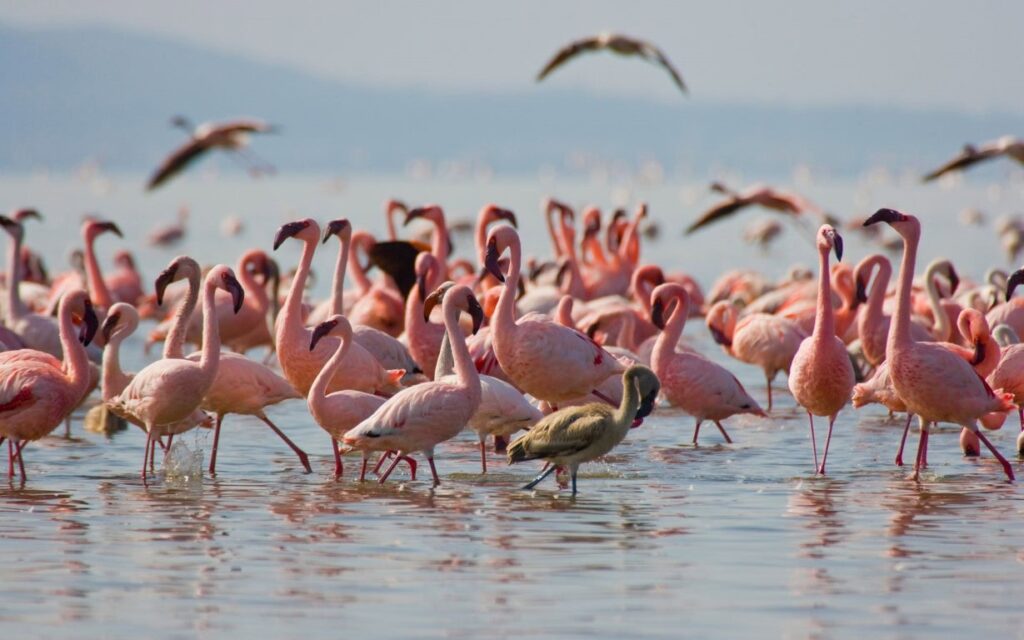
- Excellent birdwatching
- Lower accommodation rates
Although some roads in remote areas may become challenging, many parks remain accessible and rewarding.
Weather by Region
Nairobi
Nairobi enjoys a pleasant highland climate throughout the year.
Typical conditions include:
- Warm afternoons
- Cool evenings
- Occasional rainfall depending on the season
A light jacket is recommended for early mornings and evenings.
Masai Mara
The Masai Mara experiences moderate temperatures year-round.
Best months:
- January–March
- July–October
The reserve receives most of its rainfall during April–May and November.
Amboseli National Park
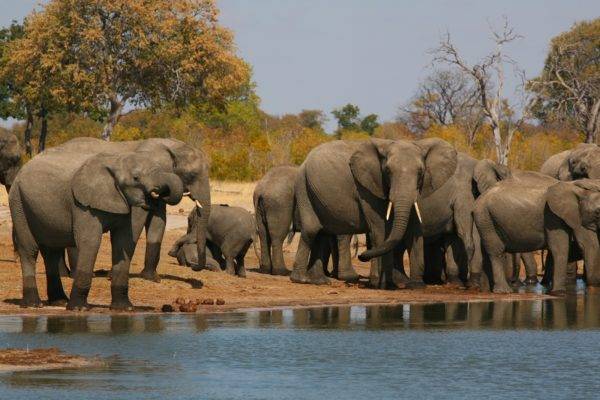
Amboseli is generally dry and sunny, with spectacular views of Mount Kilimanjaro during clear mornings.
The park is famous for:
- Large elephant herds
- Open plains
- Excellent photography
Dry months provide the best wildlife viewing opportunities.
Kenya Coast
Destinations such as Diani Beach, Watamu, and Malindi enjoy tropical coastal weather.
Expect:
- Warm temperatures throughout the year
- Higher humidity
- Refreshing sea breezes
The coast is ideal for beach holidays, snorkeling, diving, and water sports.
Best Time for Different Activities
Safari
The dry seasons provide the best game viewing because vegetation is thinner and animals gather around water sources.
Recommended months:
- January–March
- July–October
Beach Holidays
Kenya’s coastline is enjoyable year-round.
Best months:
- January–March
- July–October
- December
Visitors can enjoy warm ocean temperatures and plenty of sunshine.

Birdwatching
Kenya is home to more than 1,100 bird species.
The best months include:
- November
- December
- January
- February
Migratory birds arrive during this period, making it especially rewarding for bird enthusiasts.
Frequently Asked Questions
What is the best month to visit Kenya?
July through October is ideal for safaris and the Great Migration, while January through March offers excellent weather and fewer crowds.
Does Kenya have winter?
No. Kenya lies near the equator and does not experience traditional winter seasons.
When is the rainy season in Kenya?
The long rains usually occur from April to May, while the short rains typically fall during November and December.
Is Kenya hot all year?
Temperatures remain fairly consistent year-round, although coastal areas are warmer and more humid than the cooler central highlands.
Key Takeaways
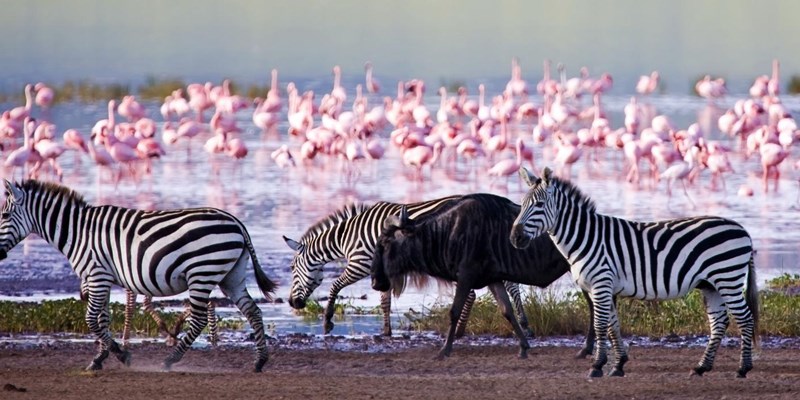
Kenya’s climate makes it an outstanding destination throughout the year. Whether you’re planning a Big Five safari, a Great Migration adventure, a beach escape, or a photography expedition, understanding the monthly weather patterns will help you choose the perfect time to travel. For most visitors, January to March and July to October offer the best combination of pleasant weather and exceptional wildlife viewing, while the rainy seasons reward travelers with lush scenery, vibrant birdlife, and attractive travel deals.